15 Days Wildlife Discovery Tour

Sri Lanka - 15 Days - National parks and protected areas

15

Days

5.000€

Per Person

2-10

Group Size

Low-Med

Fitness Abillity

24-32°C

Temperature Range

Sep-May

Best Season

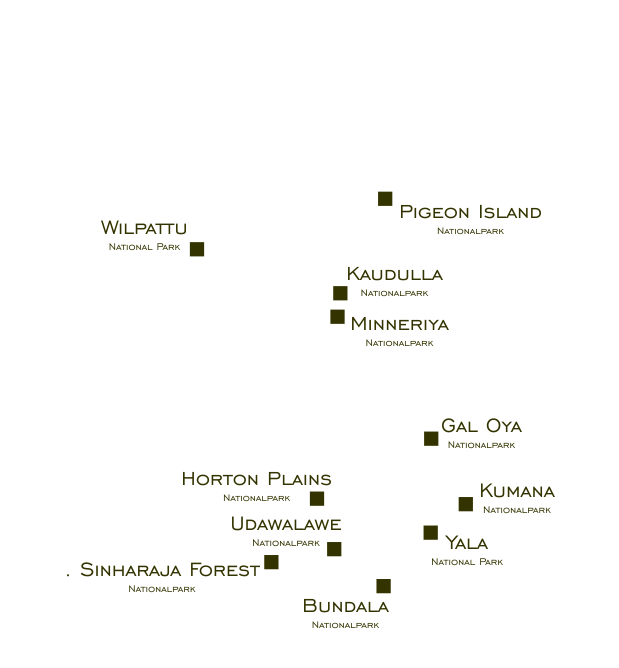
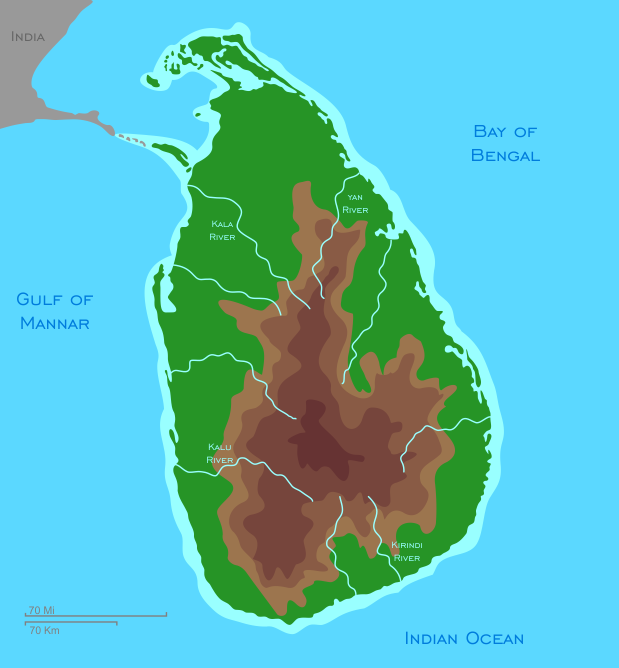
Sri Lanka compresses what other countries spread across thousands of kilometres. On this fifteen-day expedition you will move through five distinct ecosystems: dry-zone forest, northern wetlands, highland grassland, coastal scrub, and equatorial rainforest each with its own species, its own light, its own logic. Leopards at Wilpattu. Flamingos at Mannar. Elephant herds at Minneriya. Endemic birds in the Sinharaja understorey. This is the full ecological sweep of the island, led by guides who know where to look and what they're looking at.
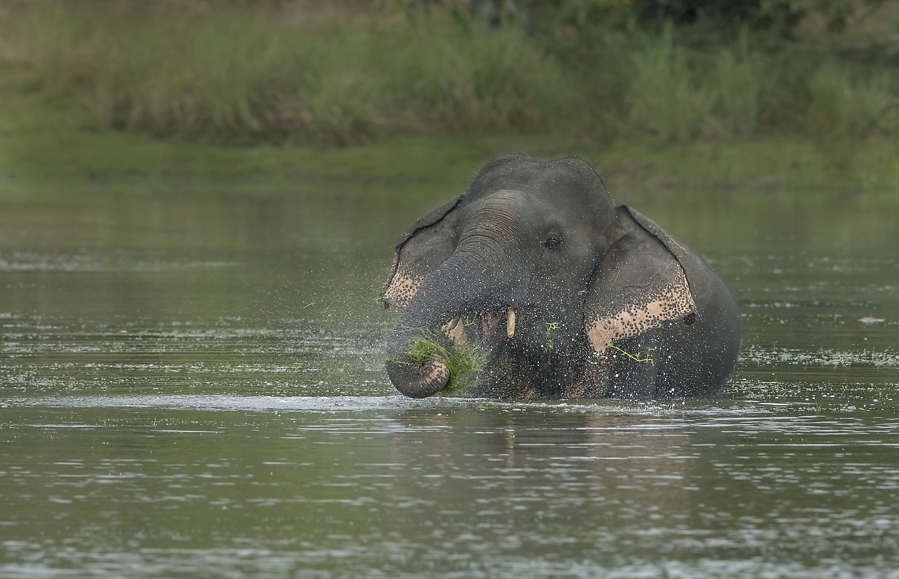
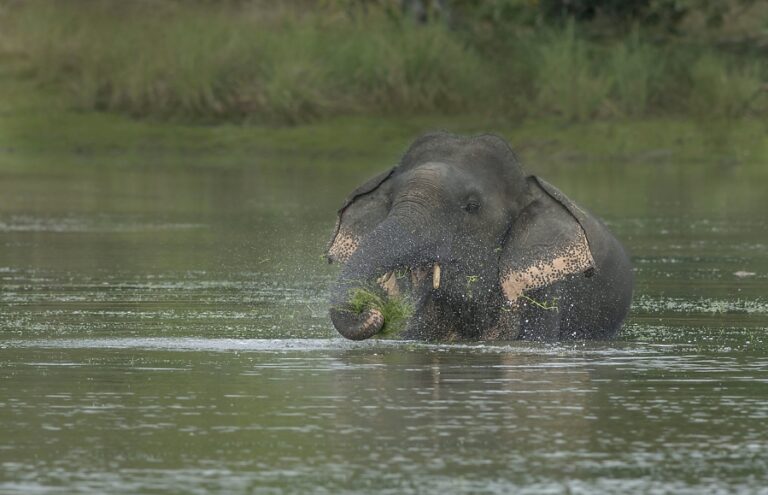
Sri Lankan elephant captured in Wilpattu, Sri Lanka. Photo by Vimukthi Weeratunga.

Itinerary of the Tour

WHAT TO EXPECT:

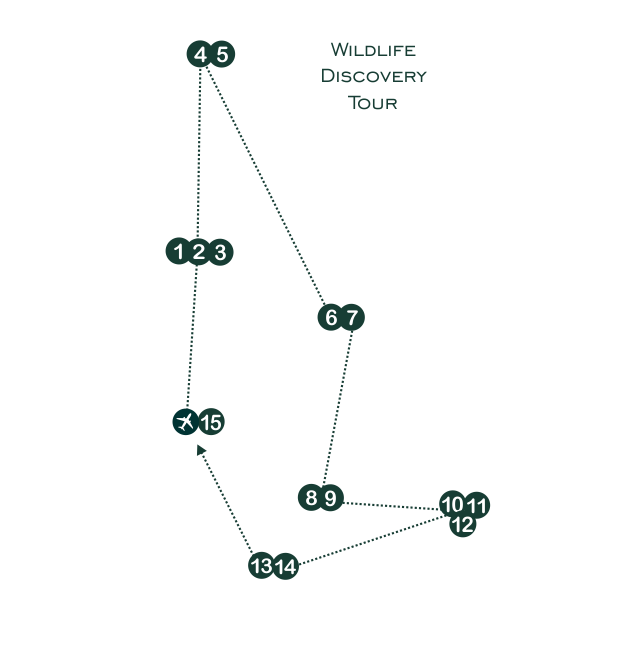
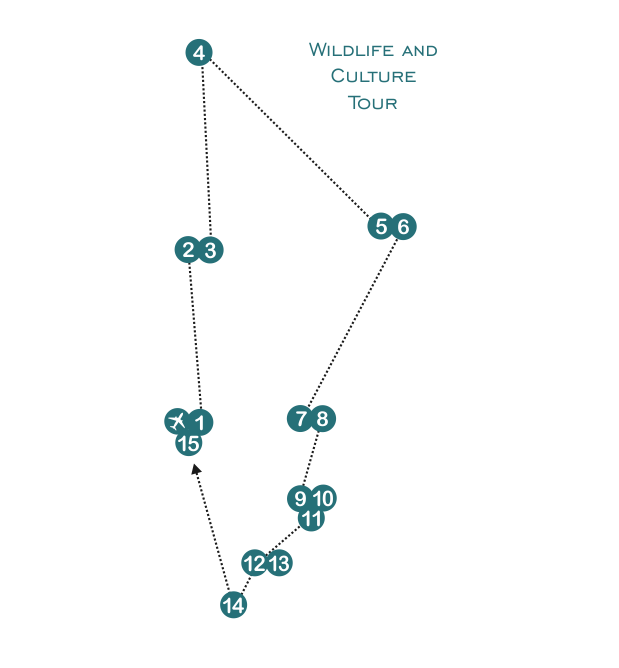
Meet the group at the agreed arrival point and travel north towards Wilpattu National Park. After arrival, enjoy your first Sri Lankan lunch before checking in and taking time to rest. In the evening, we will have dinner together, followed by a tour briefing covering the journey ahead.

PERSONAL COMFORT:

A relaxed travel day with time to rest after arrival. Comfortable clothing and a light layer for the journey are recommended.

TRAVEL:

Approximately 3.5 hours by road.

STAY:

Wilpattu

WHAT TO EXPECT:

Two full days exploring Wilpattu National Park by 4WD safari jeep. Early morning and late-afternoon drives provide the best opportunities for wildlife activity, with the park's distinctive villus natural lakes and wetlands attracting wildlife and waterbirds.

ANTICIPATED SPECIES:

ANTICIPATED SPECIES: Sri Lankan Leopard, Sri Lankan Sloth Bear, Asian Elephant, Spotted Deer, Sambar, Wild Buffalo, Wild Boar, and Mugger Crocodile. Bird highlights may include Sri Lanka Junglefowl, Sri Lanka Grey Hornbill, Sri Lanka Hanging Parrot, Malabar Pied Hornbill, and Crested Serpent Eagle. More than 200 bird species have been recorded in the park.

PERSONAL COMFORT:

Safari by 4WD jeep with breaks between drives. Expect warm conditions, dust, and sun exposure. Light clothing, sun protection, and sufficient drinking water are recommended.

STAY:

Wilpattu

WHAT TO EXPECT:

Travel north from Wilpattu to Jaffna. After lunch and check-in, take some time to rest before an evening birding session around Jaffna’s wetlands, lagoons, and coastal habitats. Day 5 will be dedicated to exploring the region’s diverse wetlands and mangrove forests, with a focus on resident and seasonal migrant birds.

ANTICIPATED SPECIES:

Depending on the season, possible sightings include flamingos, sandpipers, plovers, herons, egrets, terns, and other wetland and coastal species. Brahminy Kite and other raptors may also be encountered.

PERSONAL COMFORT:

Day 4 combines a moderate road journey with relaxed evening birding. Day 5 offers easy-paced exploration with minimal walking. Expect warm, sunny conditions; light clothing, sun protection, and adequate hydration are recommended.

TRAVEL:

Approximately 4.5 hours by road.

STAY:

Jaffna

WHAT TO EXPECT:

Travel from Jaffna to Habarana on Day 6. After lunch and check-in, enjoy an evening safari at Minneriya or Kaudulla National Park, depending on current elephant movements and conditions. Day 7 is dedicated to a full day of safari, with morning and afternoon sessions exploring the park’s forests, grasslands, wetlands, and reservoirs, offering excellent opportunities to observe elephants and a diverse range of birdlife.

ANTICIPATED SPECIES:

Sri Lankan Elephant, Spotted Deer, Wild Water Buffalo, Grey Langur, Mugger Crocodile, and a variety of wetland and woodland birds. Possible sightings include Painted Stork, Asian Openbill, Grey-headed Fish Eagle, Brahminy Kite, and other resident and migratory species.

PERSONAL COMFORT:

Day 6 combines a moderate road journey with an evening safari, while Day 7 is dedicated entirely to wildlife and birding. A break during the warmer part of the day allows time to rest. Sun protection, comfortable clothing, and adequate hydration are recommended.

TRAVEL:

Approximately 4.5 hours by road.

STAY:

Habarana

WHAT TO EXPECT:

Travel to the central highlands and explore the scenic landscapes of Horton Plains National Park through guided walks along its well-defined trails. The trek takes you through open montane grasslands, misty cloud forests, and unique high-elevation ecosystems, with opportunities to observe endemic wildlife and highland birds.

ANTICIPATED SPECIES:

Sri Lankan Leopard and Sambar Deer (Rusa unicolor), along with wetland and montane birds. Highlights include the endemic Sri Lanka Whistling Thrush, Sri Lanka Bush Warbler, and other highland specialists.

PERSONAL COMFORT:

Moderate trekking on well-marked trails at higher elevations. Cool and windy conditions are common, so layered clothing and comfortable walking shoes are recommended. Basic toilet facilities are available at the entrance and within the park.

TRAVEL:

Approximately 5.5 hours by road.

STAY:

Horton Plains

WHAT TO EXPECT:

Begin Day 10 with an early-morning safari and birding session at Horton Plains, before travelling to Kumana. After check-in, enjoy a relaxed evening to rest and prepare for two full days of 4WD safaris. Days 11 and 12 focus on exploring Kumana’s lagoons, wetlands, scrub forests, and coastal habitats while tracking wildlife and observing its rich birdlife.

ANTICIPATED SPECIES:

The Sri Lankan Leopard (Panthera pardus kotiya) is a key focus, alongside Sloth Bear, Asian Elephant, Mugger Crocodile, and a rich variety of birds including pelicans, Painted Storks, waterbirds, and raptors.

PERSONAL COMFORT:

Day 10 combines an early start, highland birding, and a longer road journey, followed by a relaxed evening. Days 11 and 12 involve extended 4WD safaris with minimal walking. Conditions are generally hot, dry, and dusty, so light clothing, sun protection, and adequate hydration are essential. Patience and quiet observation are an important part of wildlife tracking.

TRAVEL:

Approximately 5 hours by road.

STAY:

Kumana
RAIN FOREST WITH ENDEMIC BIRDS

WHAT TO EXPECT:

Begin Day 13 with an early-morning journey from Kumana to Sinharaja, taking approximately 5–6 hours by road. After arrival and check-in, enjoy an afternoon birding session or relaxed rainforest exploration. Day 14 is dedicated to full-day birding in Sinharaja, exploring shaded forest trails and searching for endemic birds and mixed-species flocks. After birding, travel to Galle for approximately 2–3 hours, followed by a relaxed evening and farewell gathering.

ANTICIPATED SPECIES:

Sri Lanka Blue Magpie, Red-faced Malkoha, Sri Lanka Spurfowl, Ashy-headed Laughingthrush, and other endemic forest birds. Mixed-species flocks, amphibians, butterflies, and occasional mammals such as Purple-faced Langur may also be observed.

PERSONAL COMFORT:

Moderate walking on humid rainforest trails. Occasional leeches are possible; light, long-sleeved clothing is recommended, and leech socks will be provided.

TRAVEL:

Approximately 8 hours by road on Day 13 and 2.5 hours on Day 14.

STAY:

Day 13 in Sinharaja | Day 14 in Galle

WHAT TO EXPECT:

Enjoy a relaxed final morning in Galle before your comfortable transfer to the airport for your onward journey home.

PERSONAL COMFORT:

A leisurely morning with minimal activity, followed by a smooth airport transfer. Travel times will depend on your departure flight and airport.

Target Species

Sri Lankan elephant captured in Wilpattu, Sri Lanka. Photo by Vimukthi Weeratunga.

Sri Lankan Elephant

Sri Lanka’s largest land mammal, this Asian elephant subspecies inhabits dry-zone forests and national parks, shaping forest ecosystems through its feeding habits.
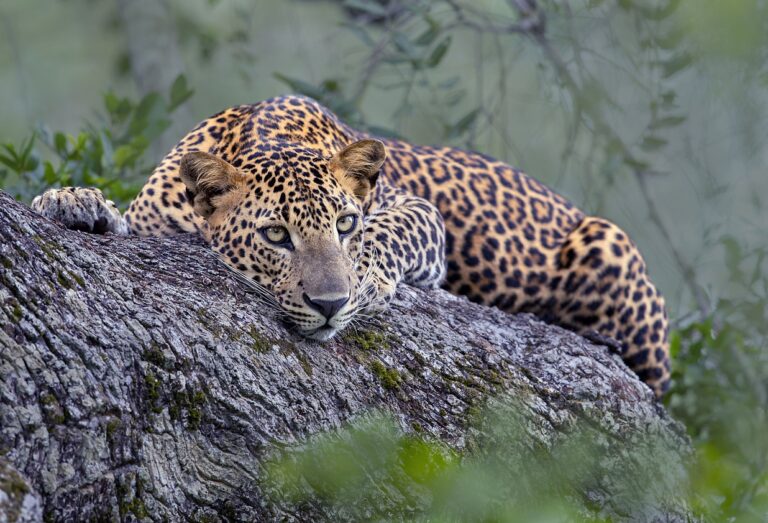
Leopard captured in Kumana, Sri Lanka. Photo by Vimukthi Weeratunga.

Sri Lankan Leopard

A Sri Lankan endemic subspecies and the island’s largest terrestrial predator, it inhabits diverse forests and grasslands, hunting deer, wild boar, monkeys, and smaller animals.
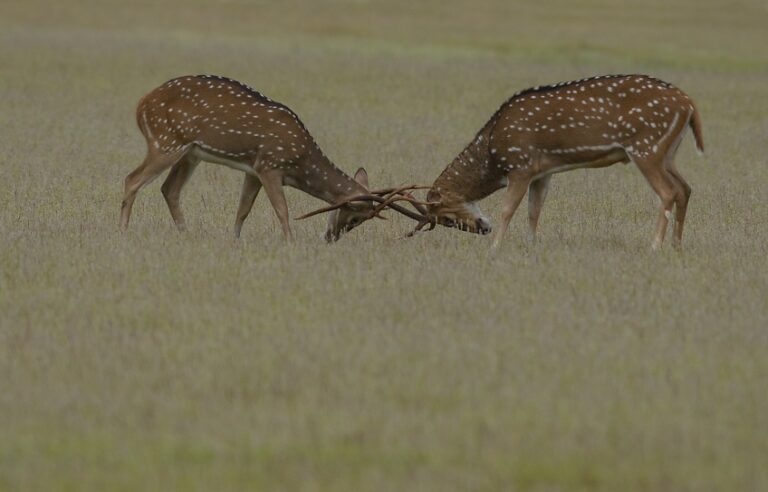
Spotted deer captured in Wilpattu, Sri Lanka. Photo by Vimukthi Weeratunga.

Spotted Deer

Common in Sri Lanka’s dry-zone forests and grasslands, this social deer lives in herds, feeding on grasses, leaves, and fruits, while serving as prey for leopards.
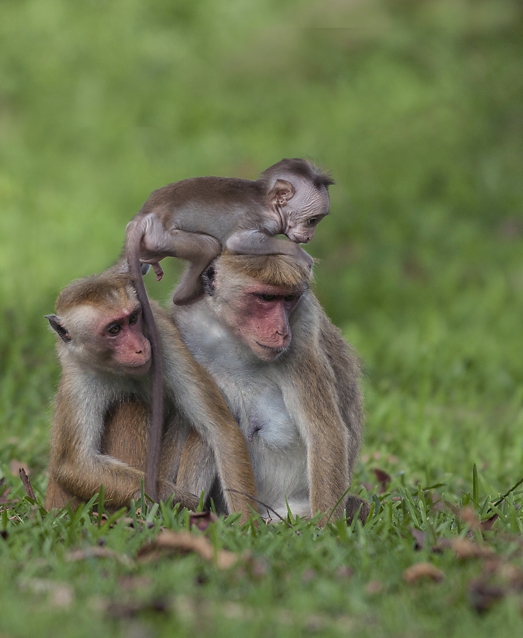
Toque macaque with their baby captured in Habarana, Sri Lanka. Photo by Vimukthi Weeratunga.

Toque Macaque

A Sri Lankan endemic primate threatened by habitat lossand human-wildlife conflict,
it inhabits forests and feedson fruits,
leaves, and insects.
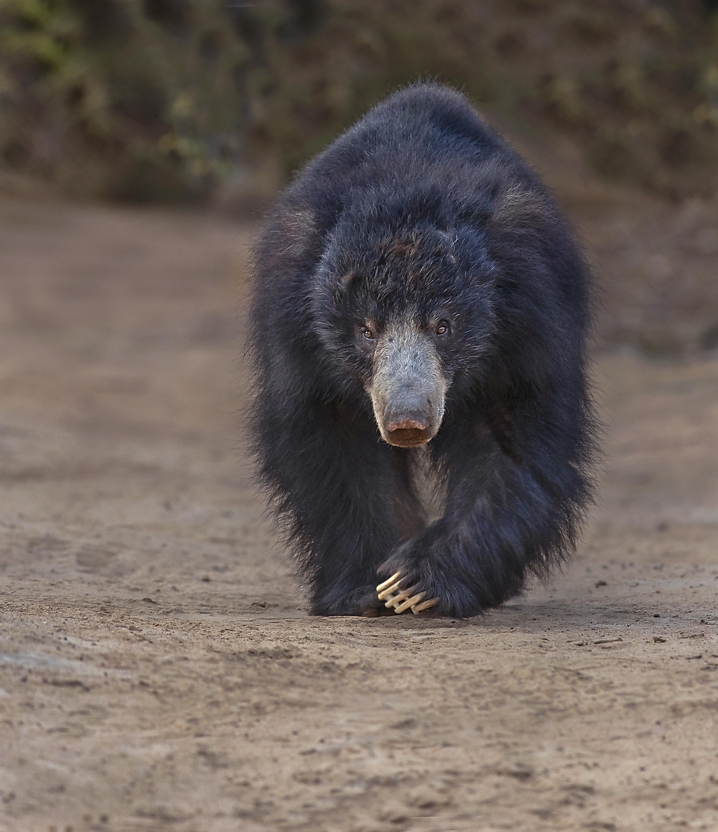
Sloth bear captured in Kumana, Sri Lanka. Photo by Vimukthi Weeratunga.

Sri Lankan Sloth Bear

A Sri Lankan endemic subspecies inhabiting dry-zoneforests and scrublands, it feeds on termites, ants, fruits, and honey, while helping disperse seeds and control insects.
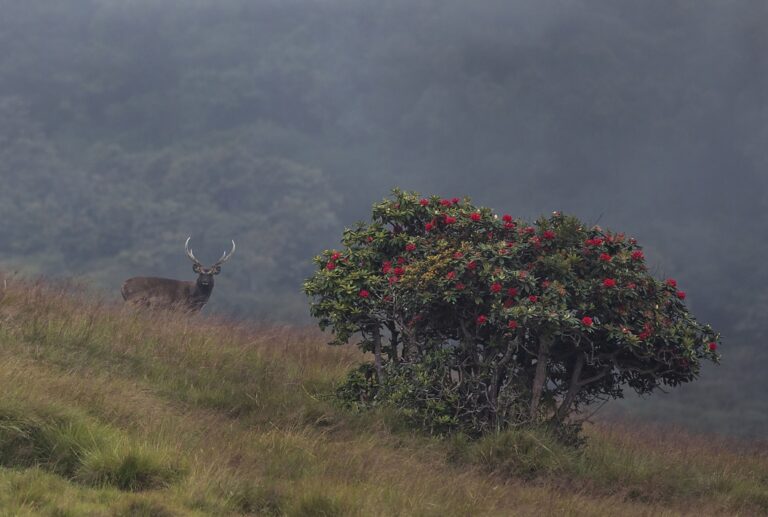
Sambar deer captured in Horton Plains, Sri Lanka. Photo by Vimukthi Weeratunga.

Sambar Deer

Sri Lanka’s largest deer inhabits forests, grasslands, and montane regions across the island. It feeds mainly on grasses, leaves,
shoots, and fruits.
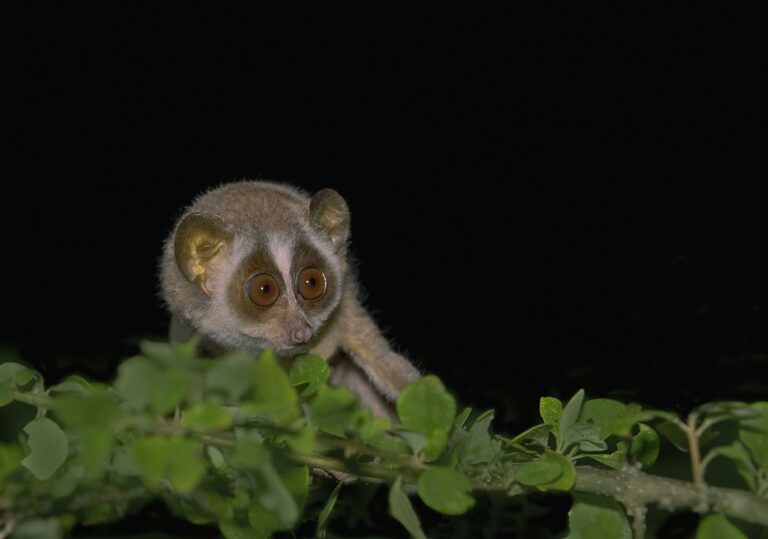
Gray slender loris captured in Habarana, Sri Lanka. Photo by Vimukthi Weeratunga.

Gray Loris

A nocturnal primate found in Sri Lanka,
it inhabits trees, using its large eyes and
silent movements to hunt insects
and small prey after dark.

Barking deer captured in Wilpattu, Sri Lanka. Photo by Suraj Perera.

Barking Deer

A shy, solitary deer inhabiting Sri Lanka’s forests and scrublands, it feeds mainly on grasses, leaves, shoots, fruits, and fallen vegetation.
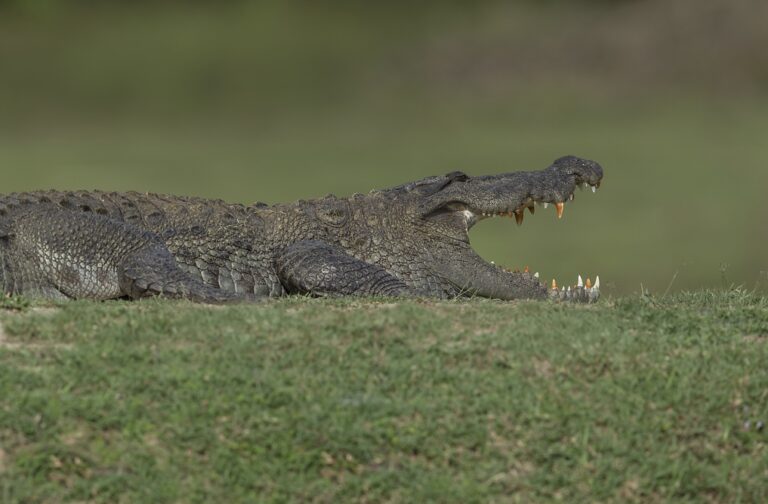
Mugger crocodile captured in Bundala, Sri Lanka. Photo by Vimukthi Weeratunga.

Mugger Crocodile

Native to South Asia, this freshwater crocodile inhabits SriLanka’s wetlands and feeds on fish, birds, reptiles, and mammals, with a broad snout and armored body.

Gray francolin captured in Mannar, Sri Lanka. Photo by Vimukthi Weeratunga.

Gray Francolin

A scarce resident bird in Sri Lanka’s dry zone,
it inhabits open scrublands and farmland, foraging on seeds, grains, insects,
and small invertebrates.
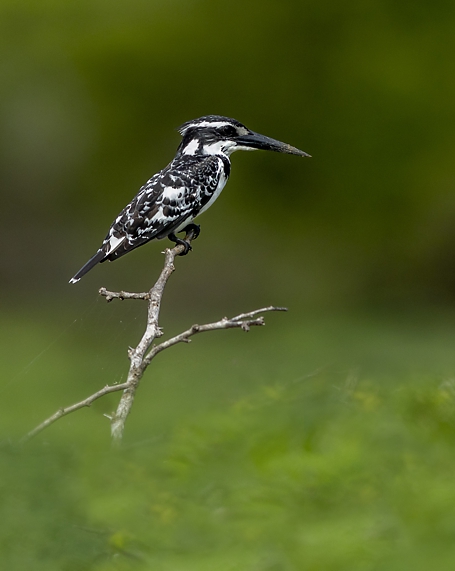
Pied kingfisher captured in Bundala, Sri Lanka. Photo by Vimukthi Weeratunga.

Pied Kingfisher

A resident species in Sri Lanka, it inhabits wetlands and feeds mainly on fish, often hovering above water before
diving to catch its prey.
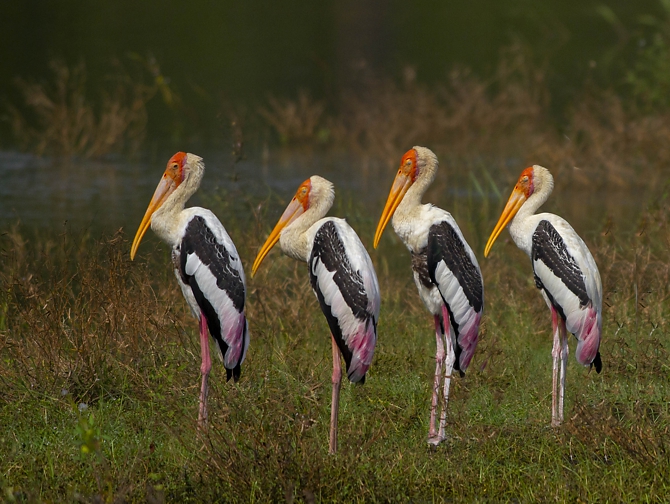
Painted stork captured in Kumana, Sri Lanka. Photo by Vimukthi Weeratunga.

Painted Stork

A resident wetland bird in Sri Lanka,
it forages in marshes, lagoons, and paddy fields, feeding mainly on fish, frogs, crustaceans,
and other aquatic prey.
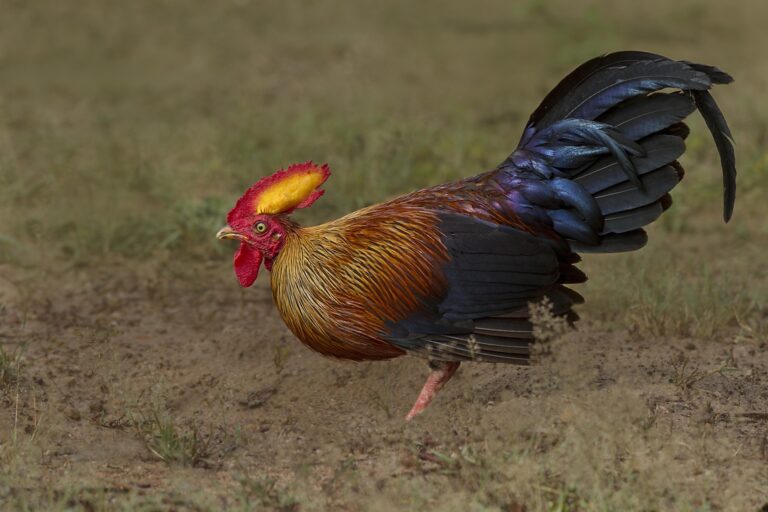
Sri Lankan junglefowl captured in Kumana, Sri Lanka. Photo by Vimukthi Weeratunga.

Sri Lankan Junglefowl

A Sri Lankan endemic bird and the national bird, it inhabits forests and scrublands, foraging on the groundfor seeds, fruits, insects,
and small invertebrates.
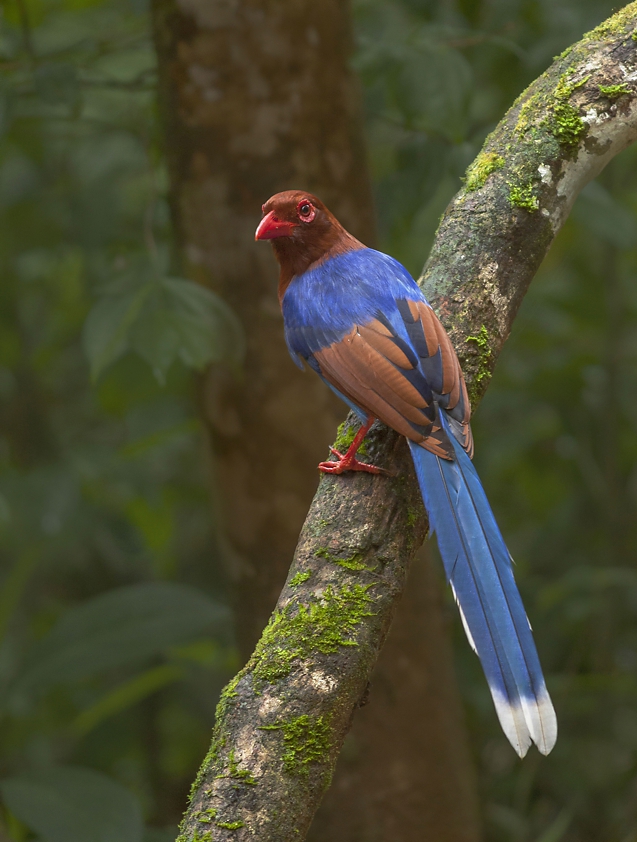
Sri Lankan blue magpie captured in Sinharaja, Sri Lanka. Photo by Vimukthi Weeratunga.

Sri Lanka Blue Magpie

A Sri Lankan endemic bird inhabiting rainforests, it feedson insects, small reptiles, and fruits, displaying brilliant blue plumage, a chestnut head, and a long tail.
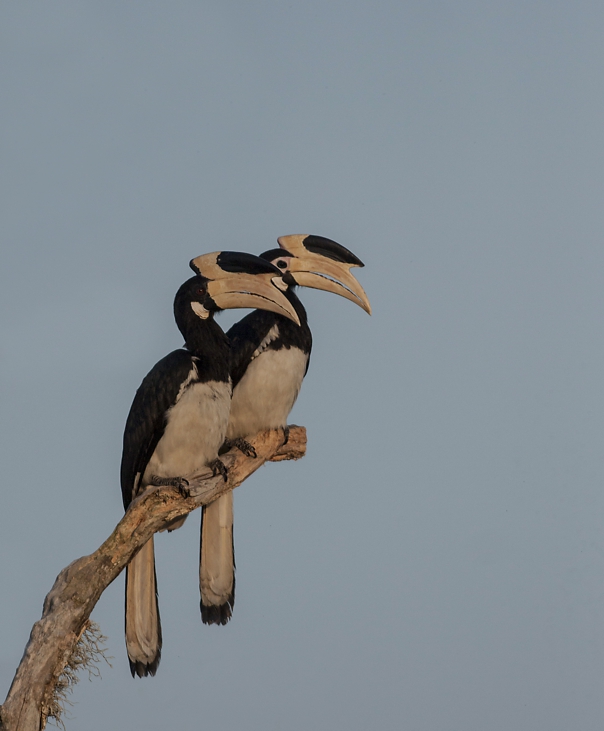
Malabar pied hornbill captured in Kumana, Sri Lanka. Photo by Vimukthi Weeratunga.

Malabar Pied Hornbill

Native to the Indian subcontinent,
this large hornbill inhabits forests
and feeds mainly on figs, other fruits,
insects, and small animals.

What´s included and what´s not included

Your Tourguides

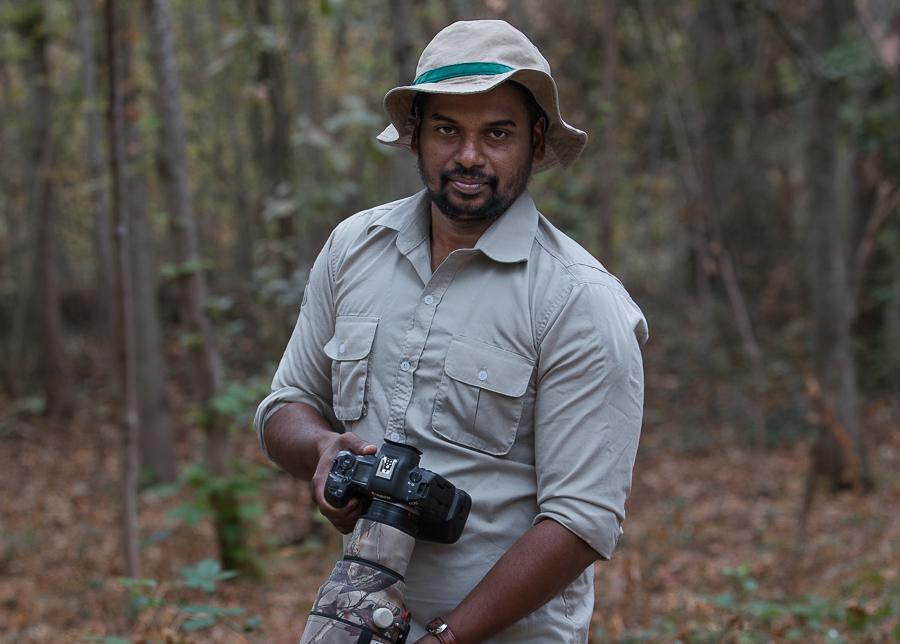
Nitharsan ALOYSIUS – Founder, Researcher & Wildlife Guide of Avian Atlas

Nitharsan ALOYSIUS

Founder, Researcher & Wildlife Guide

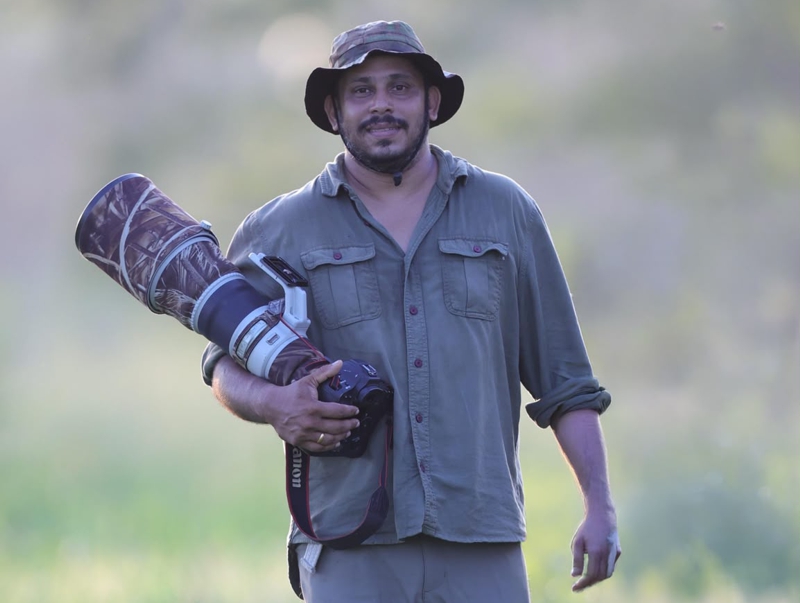
Suraj PERERA – Tour Leader & Wildlife Photographer | Avian Atlas

Suraj PERERA

Wildlife Guide & Nature Photographer

Accommodation

Each stay is carefully selected to complement your journey, with an emphasis on comfort, quality and location. Accommodation is subject to availability, with suitable alternatives of a comparable standard arranged when necessary. Final details will be confirmed ahead of your journey.

Group Size & Tour Leadership

Our expeditions welcome a minimum of 2 and a maximum of 10 guests.
For groups exceeding five participants, field activities, including safaris, may be arranged in smaller groups of no more than five guests, accompanied by dedicated tour leadership to ensure a personal and attentive experience.

Conservation Commitment

Conservation is part of every expedition.
We believe the most meaningful journeys leave a positive legacy. Through responsible wildlife encounters,
respect for natural habitats and partnerships with local communities, we strive to protect what makes each destination extraordinary.
As Avian Atlas grows, we aim to dedicate a share of our resources to conservation and biodiversity, helping protect the natural world and the communities connected to it for generations to come.

Calendar of planed Wildlife Discovery Tours

07sepAll Day2115 Days Wildlife Discovery Tour 2027September 2027 Tour – 15 Days / 14 Nights

Ready to plan your expedition?

You need more information about our 15 Days Wildlife Discovery Tours?
You could not find any date according to your timetable in our Calendar of Tours?

© 2026  Avian Atlas Expeditions
Legal Notice  •  Privacy Policy • Terms and Conditions

error: Content is protected !!