Founder, Researcher & Wildlife Guide
Originally from Sri Lanka, Nitharsan Aloysius, widely known as Nithan, has developed a deep connection with nature through years of field experience, conservation work and a lasting fascination with the island’s remarkable birdlife. Bringing together scientific research, environmental education, wildlife photography and nature-based tourism, he is passionate about creating meaningful encounters with nature that inspire a greater appreciation for biodiversity and a lasting commitment to conservation.
His journey has taken him from community-based conservation initiatives in Sri Lanka to guiding international travellers through the country’s remarkable natural landscapes. Alongside his work in wildlife tourism, his postgraduate studies in forest and ecosystem sciences in Germany have further strengthened his understanding of biodiversity, ecosystem conservation and the importance of responsible travel. His contribution to conservation education and community engagement has also helped connect children and young people with nature.
With research experience spanning biodiversity projects and bird surveys in Sri Lanka and Central Africa, Nithan has developed particular interests in avian ecology, bird diversity and tropical forest ecosystems. His scientific publications and research contributions reflect his commitment to understanding the natural world and supporting its conservation.
Driven by his connection to Sri Lanka and its natural heritage, Nithan founded Avian Atlas Expeditions to share the island’s extraordinary wildlife through thoughtfully curated journeys. His vision is to connect travellers with Sri Lanka’s birds, ecosystems and cultures while encouraging a deeper appreciation of nature and its conservation.
For Nithan, every journey is an opportunity to explore, experience and connect with the natural world, the people who protect it, and the places that make Sri Lanka unique.
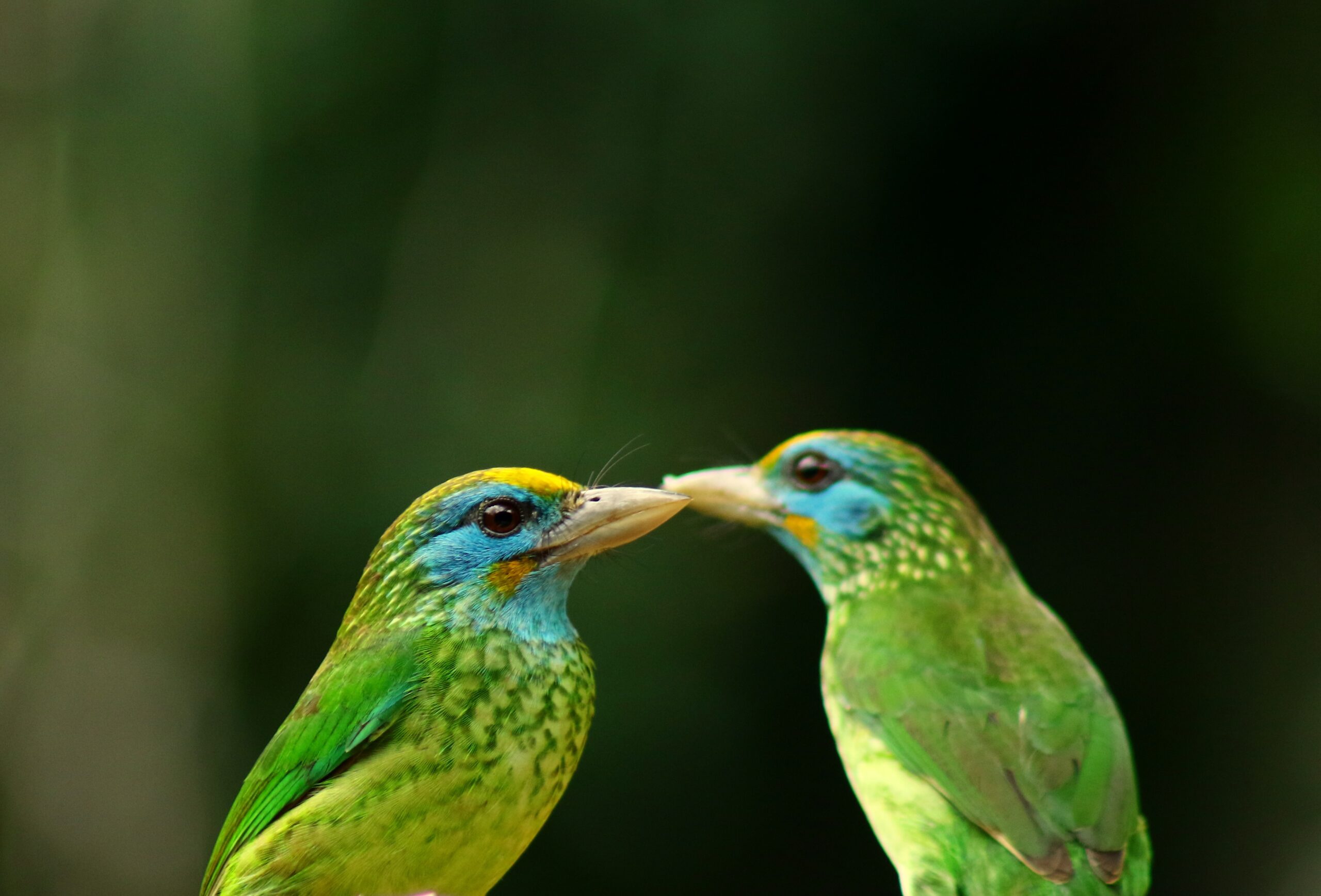
Avian Atlas grew from years spent working in forests, studying birds and guiding travellers through some of Sri Lanka’s most remarkable natural landscapes.
Its founder, Nitharsan Aloysius, is a biodiversity researcher, wildlife guide and photographer with an academic background in tropical forestry, biodiversity and ecotourism.
His work has taken him from ecological research in tropical forests to leading wildlife journeys for international travellers. Along the way, he developed a particular fascination with birds — not simply as species to identify, but as a way of understanding an entire ecosystem.
That experience shapes the way Avian Atlas travels today: with curiosity, patience and respect for the places we visit.
Tropical Forestry
MSc • University of Göttingen
Biodiversity & Ecotourism
MSc
Field Research
Birds • Forests • Conservation
Wildlife Tourism
6+ years of experience
My background sits at the intersection of tropical forests, biodiversity, wildlife and responsible tourism.
I hold an MSc in Tropical and International Forestry from the University of Göttingen, where my work focused on tropical forest ecosystems and biodiversity. I also hold an MSc in Biodiversity & Ecotourism and Environmental Management, which brought together my interests in conservation and nature-based travel.
Over the years, my work has taken me into forests and protected areas to study birds, wildlife and ecological communities, as well as into the field of wildlife tourism, where I have spent more than six years leading and managing wildlife journeys.
Birds have remained a particular focus throughout my journey. My field research has involved observing and documenting bird communities in tropical forests, strengthening an understanding of how wildlife, habitats and people are connected.
This combination of scientific research, field experience and wildlife tourism is the foundation on which I built Avian Atlas.
began guiding in Sri Lanka in 2016, starting my journey in wildlife tourism with a focus on the country's natural landscapes, wildlife and birdlife.
Over the years, guiding has taken me across Sri Lanka's national parks, forests and other important wildlife habitats, working with travellers from around the world. What began as a professional opportunity gradually became a deeper passion for wildlife, photography, conservation and sharing Sri Lanka's natural heritage with others.
Today, that experience forms an important part of Avian Atlas creating journeys that combine local knowledge, field experience and a genuine respect for Sri Lanka's wildlife and landscapes.
My strongest experience is with Sri Lanka's forests, wetlands and protected areas, particularly the ecosystems that support its remarkable birdlife.
Birds have been a central part of both my research and field experience, and I have spent many years observing and studying forest birds, endemic species and wider bird communities across different habitats.
I have a particular interest in Sri Lanka's endemic birds, as well as the relationships between birds, forests and the wider ecosystem. My experience in tropical forest research has also given me a broader understanding of habitat, biodiversity and ecological processes, beyond simply identifying species.
This combination of scientific research, years in the field and wildlife guiding allows me to look at a landscape not only for what can be seen, but also for the ecological story behind it.
Sri Lanka has many excellent wildlife experiences, but I felt there was an opportunity to create something more specialised, personal and deeply connected to the natural world.
Having worked in wildlife tourism and field research, I saw that many journeys were built around visiting famous parks and seeing as many animals as possible, sometimes with less emphasis on understanding the ecosystems, observing wildlife responsibly and experiencing the landscape beyond a checklist.
I wanted to create journeys where wildlife knowledge, local expertise, conservation and meaningful experiences come together.
Avian Atlas grew from that idea to offer thoughtfully designed wildlife journeys for people who want to slow down, look more closely and understand the places they visit, whether they are passionate birders, wildlife photographers or simply curious travellers.
The aim is not to promise a particular sighting. It is to create the conditions for genuine encounters with Sri Lanka's wildlife and landscapes, while ensuring that the people and communities who make these experiences possible are part of the journey.
Many are experienced and deeply knowledgeable. But I believe wildlife guiding can sometimes become too focused on finding and ticking off species, rather than helping people understand what they are actually seeing.
For me, a good guide should do more than identify an animal or bird. They should explain why it is there, how it fits into the ecosystem, what makes the habitat special, and how our presence affects it.
I also believe that a memorable wildlife experience should not be measured only by the number of species seen. Patience, observation and understanding can make an encounter with a single bird just as meaningful as seeing ten different animals.
That is the approach I want Avian Atlas to represent: less about chasing a checklist, and more about understanding the wild.
One of the things that stayed with me most was seeing how a simple encounter with a bird could completely change the way someone experienced a landscape.
During my years working in wildlife tourism and field research, I have often watched people arrive with little knowledge of the species or habitats around them. After spending time observing a bird, understanding its behaviour, and learning about the ecosystem it depends on, their perspective would change. They would begin to notice the forest differently not simply as scenery, but as a living system.
Those moments made me realise that wildlife tourism can do more than create memorable experiences. When people understand what they are seeing and why it matters, they can develop a deeper appreciation for the places and species that need protection.
That is a large part of why I created Avian Atlas: to use meaningful wildlife experiences to build curiosity, understanding and a stronger connection with the natural world.
Avian Atlas works with a small network of experienced wildlife and nature guides, built through years of working in Sri Lanka's wildlife tourism community.
Some are people I have worked alongside personally, while others have come through trusted professional relationships and recommendations within the field. I look for more than simply good species knowledge. The people we work with need to share our approach to responsible wildlife viewing, respect for local communities, patience in the field and genuine care for the places they guide in.
Our team includes experienced Avian Atlas tour leaders who lead selected journeys, while local guides and specialists join tours in the areas where their knowledge is most valuable or where local guiding is required by government regulations.
I trust the people we work with because I know their experience, their approach and the way they conduct themselves in the field.
For us, being a good wildlife guide is not just about finding wildlife. It is about knowing when to approach, when to wait, when to move on and understanding that the welfare of the wildlife always comes first.
Every Avian Atlas journey follows the same standards, whether I am leading the tour myself or another member of our team is guiding it.
Before a tour begins, I work with our tour leaders and local partners to ensure that the itinerary, logistics, accommodation, transport and guiding arrangements are properly prepared. The people leading our journeys are selected not only for their experience and wildlife knowledge, but also for their ability to communicate well, treat guests with care and follow our approach to responsible wildlife viewing.
I also stay involved in the planning and coordination of our tours, rather than simply handing a booking over to a guide and stepping away.
After each journey, guest feedback and the team's own observations help us identify what worked well and what could be improved.
The aim is consistency without making every journey identical: the personality of each guide can remain their own, while the quality, ethics and standards of Avian Atlas remain consistent.
We believe wildlife tourism should contribute to the protection of the places and species that make these journeys possible.
Avian Atlas will contribute to conservation and biodiversity initiatives in Sri Lanka, with a focus on projects that support wildlife, habitats and the communities living alongside them.
As the company grows, we intend to build long-term relationships with credible local conservation organisations, community-based initiatives and research projects, rather than making broad or unsupported claims about conservation.
We want our contribution to be meaningful, transparent and connected to the places we visit.
For us, conservation is not simply something added to a tour. It is part of the responsibility that comes with bringing people into wild places.
We want to support organisations and projects that have a direct and meaningful connection to the wildlife and ecosystems of Sri Lanka.
Rather than choosing projects simply because they are well known, we will look for initiatives with credible conservation goals, local involvement and a clear understanding of the challenges facing the species and habitats they work to protect.
We also believe that conservation should benefit the people who live alongside wildlife. Where possible, we will support projects that combine biodiversity protection with local participation, education, research or sustainable livelihoods.
As Avian Atlas develops these partnerships, we will be transparent about who we support, why we support them and how our contribution helps.