10 Days Birding Discovery Tour

Sri Lanka - 10 Days - Wetlands & Forests - National Parks

10

Days

4.500€

Per Person

2-10

Group Size

Low-Med

Fitness Abillity

24-32°C

Temperature Range

Oct-Apr

Best Season

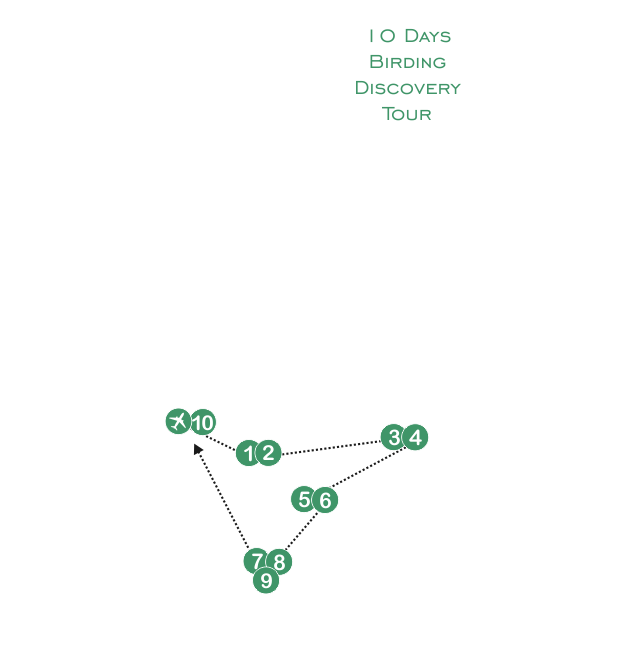
This 10-day journey is designed specifically around Sri Lanka’s endemic birdlife, visiting four of the island’s most rewarding birding destinations: Kitulgala, Nilgala, Horton Plains, and Sinharaja. From the dry-zone forests and montane grasslands to the island’s ancient rainforests, each habitat offers opportunities to encounter a different range of endemic species. Carefully paced and guided by experienced local birders, the journey focuses on finding Sri Lanka’s most sought-after endemic birds while experiencing the landscapes they call home.
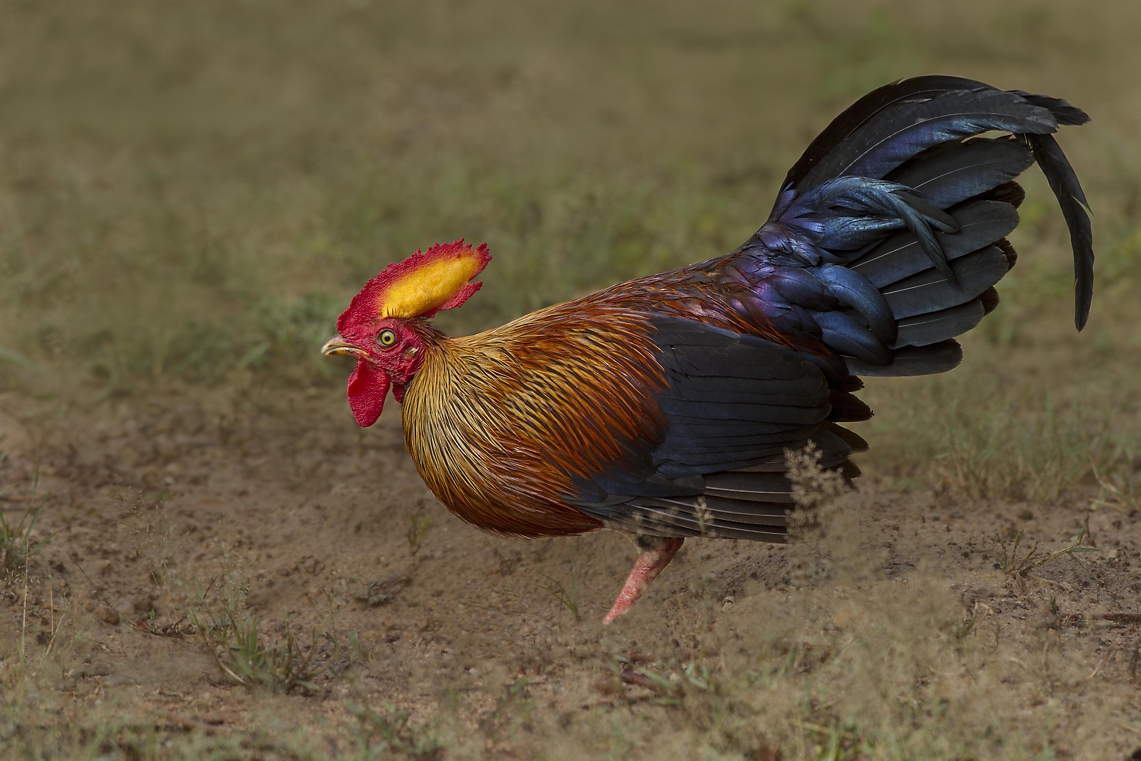
Sri Lankan junglefowl captured in Kumana, Sri Lanka. Photo by Vimukthi Weeratunga.

Itinerary of the Tour

TRAVEL TO KITULGALA

WHAT TO EXPECT:

Meet the group at the agreed arrival point and travel north towards. Kitulgala: After arrival, enjoy your first Sri Lankan lunch before checking in and taking time to rest. In the evening, we will have dinner together, followed by a tour briefing covering the journey ahead.

PERSONAL COMFORT:

A relaxed travel day with time to rest after arrival. Comfortable clothing and a light layer for the journey are recommended.

TRAVEL:

Approximately 2.5 hours by road.

STAY:

Kitulgala

LOWLAND RAINFOREST ENDEMICS

WHAT TO EXPECT:

Begin with an early morning birding session in the Kitulgala rainforest, exploring the trails and forest edges around Makandawa Forest Reserve. Continue birding through the morning before a midday break, followed by a late-afternoon session targeting endemic species and mixed-species feeding flocks.

ANTICIPATED SPECIES:

Possible sightings include Sri Lanka Spurfowl, Sri Lanka Junglefowl, Sri Lanka Green Pigeon, Sri Lanka Grey Hornbill, Sri Lanka Hanging Parrot, Sri Lanka Small Barbet, Red-faced Malkoha, Sri Lanka Blue Magpie, Sri Lanka Scimitar Babbler, and other endemic rainforest species.

PERSONAL COMFORT:

PERSONAL COMFORT: Moderate walking on forest trails, which may be muddy or slippery. Warm and humid conditions are expected. Comfortable walking shoes, light clothing, insect protection, sun protection, and adequate water are recommended.

TRAVEL:

Local transfers within Kitulgala.

STAY:

Kitulgala

WHAT TO EXPECT:

After breakfast on Day 3, travel from Kitulgala to Nilgala, transitioning from lush lowland rainforest to Sri Lanka's dry-zone forests and open woodland. After check-in, enjoy an evening birding session around Nilgala before dusk. On Day 4, spend the full day birding in Nilgala, exploring dry forest, scrub, woodland edges, and surrounding habitats, with morning and late-afternoon sessions for the best bird activity.

ANTICIPATED SPECIES:

Possible sightings include Sri Lanka Junglefowl, Sri Lanka Green Pigeon, Sri Lanka Grey Hornbill, Sri Lanka Hanging Parrot, Sri Lanka Small Barbet, along with other endemic dry-zone and woodland birds, raptors, and resident species.

PERSONAL COMFORT:

Moderate walking on forest tracks and uneven terrain. Conditions can be warm and dry, particularly around midday. Comfortable walking shoes, light clothing, sun protection, insect repellent, and sufficient drinking water are recommended.

TRAVEL:

Approximately 5–6 hours by road from Kitulgala to Nilgala on Day 3.

STAY:

Nilgala

WHAT TO EXPECT:

On Day 5, depart Nilgala and travel towards Horton Plains via Nuwara Eliya, with the landscape gradually changing from dry-zone forest to the cool, misty highlands. Enjoy birding opportunities along the route and around Nuwara Eliya before continuing to Horton Plains. After check-in, the evening is kept relaxed to rest and prepare for the following day's early start. On Day 6, spend a full day birding in Horton Plains, exploring montane forest, grasslands, and cloud-forest habitats during morning and late-afternoon sessions.

ANTICIPATED SPECIES:

The highlands provide opportunities to search for Sri Lanka Whistling Thrush, Sri Lanka Wood Pigeon, Sri Lanka Bush Warbler, Sri Lanka White-eye, Sri Lanka Scimitar Babbler, and other montane and endemic forest species. The surrounding Nuwara Eliya area may also produce additional highland birds and species associated with gardens and open habitats.

PERSONAL COMFORT:

Day 5 involves a long road journey, while Day 6 includes moderate walking on forest trails and uneven terrain. Horton Plains can be cool, misty, and windy, particularly in the early morning, so warm layers, waterproof clothing, sturdy walking shoes, and adequate water are recommended.

TRAVEL:

Approximately 4.5 hours by road from Nilgala to Horton Plains via Nuwara Eliya, depending on stops and road conditions.

STAY:

Horton Plains

WHAT TO EXPECT:

On Day 7, enjoy a final morning birding session in Horton Plains before travelling to Sinharaja Forest Reserve, a UNESCO World Heritage Site and one of Sri Lanka's most important rainforest ecosystems. After arrival and check-in, enjoy an evening birding session around the rainforest. Days 8 and 9 are dedicated to full-day birding, exploring forest trails during morning and late-afternoon sessions in search of endemic species and mixed-species flocks.

ANTICIPATED SPECIES:

Sinharaja offers exceptional opportunities to encounter Sri Lanka's endemic rainforest birds. Key possibilities include Sri Lanka Blue Magpie, Red-faced Malkoha, Sri Lanka Spurfowl, Ashy-headed Laughingthrush, Sri Lanka Hanging Parrot, Sri Lanka Grey Hornbill, and other endemic species. Mixed-species feeding flocks are a major highlight, while Purple-faced Langur, butterflies, amphibians, and other rainforest wildlife may also be encountered.

PERSONAL COMFORT:

Day 7 combines morning birding with a longer journey from the highlands to the rainforest. Days 8 and 9 involve extended walking on humid forest trails, which can be uneven, muddy, and occasionally slippery. Leeches may be present. Lightweight, long-sleeved clothing, comfortable walking shoes, insect protection, and adequate hydration are recommended. Leech socks will be provided.

TRAVEL:

Approximately 5 hours by road from Horton Plains to Sinharaja, depending on the route and road conditions.

STAY:

Sinharaja

FAREWELL:

Conclude the journey after the final evening birding session with a relaxed farewell gathering, reflecting on the highlights and memorable endemic bird encounters of the tour.

WHAT TO EXPECT:

Enjoy a relaxed final morning in Galle before your comfortable transfer to the airport for your onward journey home.

PERSONAL COMFORT:

A leisurely morning with minimal activity, followed by a smooth airport transfer. Travel times will depend on your departure flight and airport.

Target Species

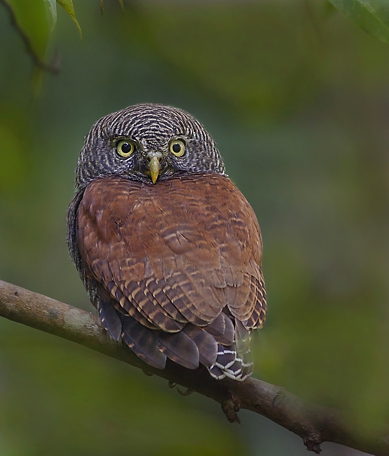
Chestnut-backed owlet captured in Sinharaja, Sri Lanka. Photo by Vimukthi Weeratunga.

Chestnut-Backed Owlet

An endemic owl inhabiting the island’s lowland rainforests, it hunts insects, small reptiles,
birds, and rodents, remaining active
around dawn and dusk.
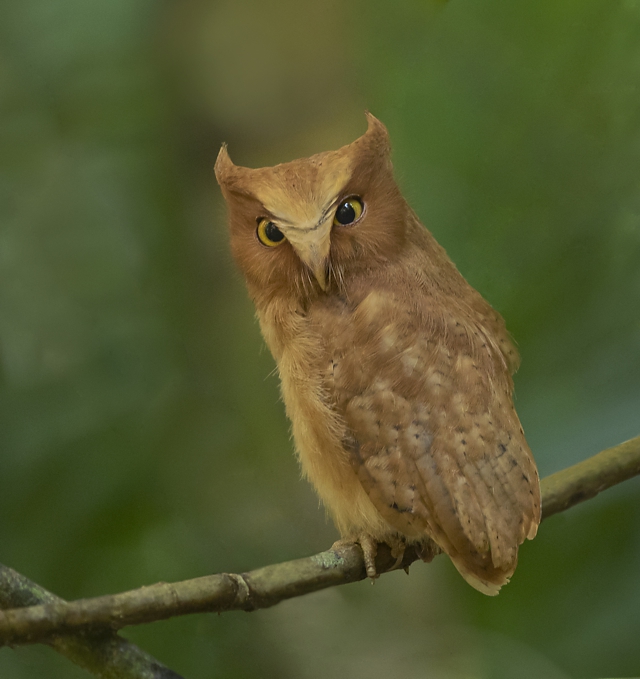
Serendib scops owl captured in Sinharaja, Sri Lanka. Photo by Vimukthi Weeratunga.

Serendib Scops Owl

An endemic owl inhabiting lowland rainforests, it hunts insects and small invertebrates by night, sheltering indense evergreen forests.
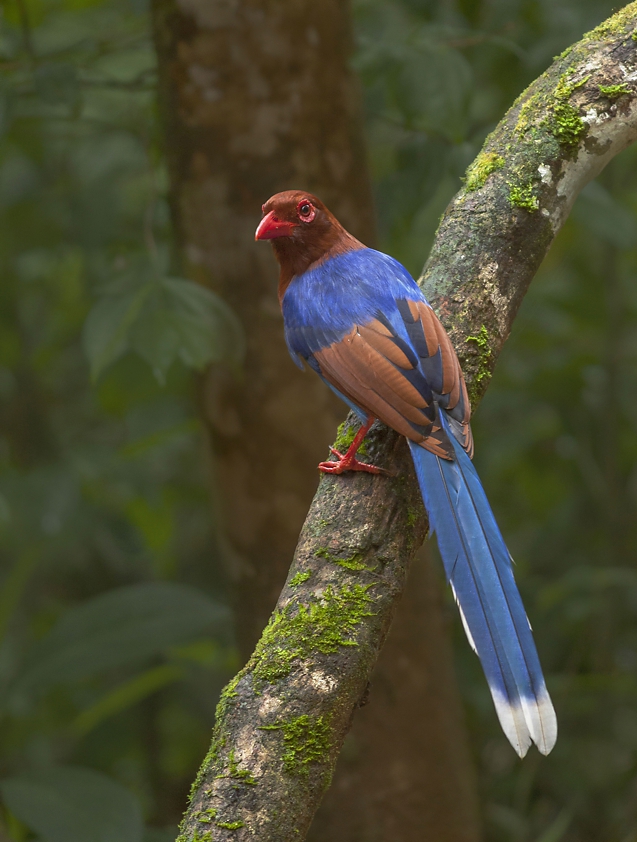
Sri Lankan blue magpie captured in Sinharaja, Sri Lanka. Photo by Vimukthi Weeratunga.

Sri Lankan Blue Magpie

A Sri Lankan endemic bird inhabiting rainforests, it feeds on insects, small reptiles, and fruits, displaying brilliant blue plumage, a chestnut head, and a long tail.

Sri Lanka spurfowl captured in Sinharaja, Sri Lanka. Photo by Vimukthi Weeratunga.

Sri Lankan Spurfowl

A Sri Lankan endemic bird inhabiting dense forests and undergrowth, it forages on the forest floor for seeds, fruits, insects,
and small invertebrates.
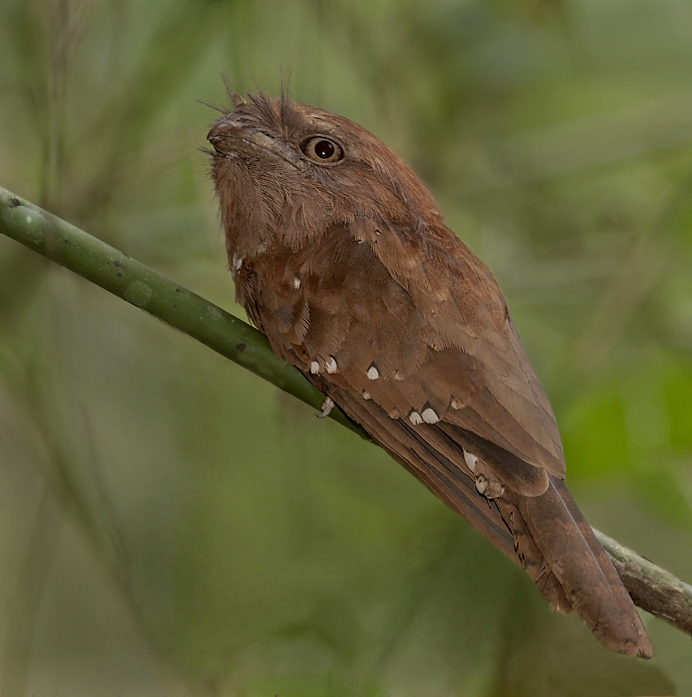
Sri Lanka frogmouth captured in Sinharaja, Sri Lanka. Photo by Vimukthi Weeratunga.

Sri Lankan Frogmouth

A nocturnal bird inhabiting dense forests,
it feeds on insects and small
invertebrates, blending into branches
with its excellent camouflage.
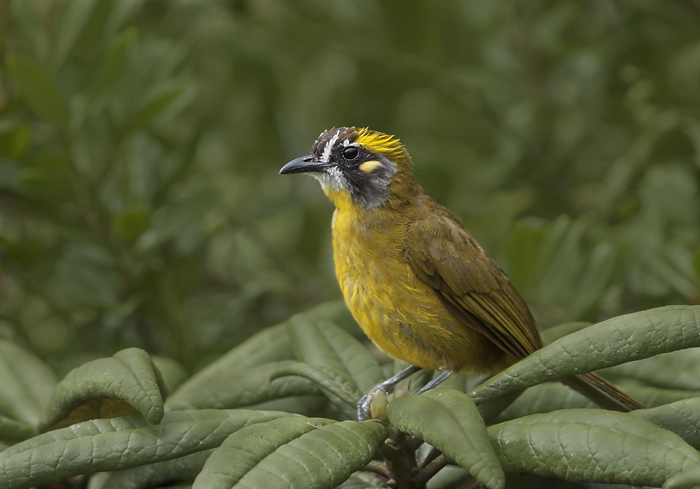
Yellow-eared bulbul captured in Horton Plains, Sri Lanka. Photo by Vimukthi Weeratunga.

Yellow-Eared Bulbul

An endemic songbird inhabiting montane forests and highland gardens, it feeds on fruits and insects, recognised by its yellow ear patch and olive-brown plumage.

Sri Lanka white-eye captured in Horton Plains, Sri Lanka. Photo by Vimukthi Weeratunga.

Sri Lankan White-Eye

An endemic songbird inhabiting montane forests and highland gardens, it feeds on insects, nectar, and fruits, recognised by its white eye-ring and olive-green plumage.
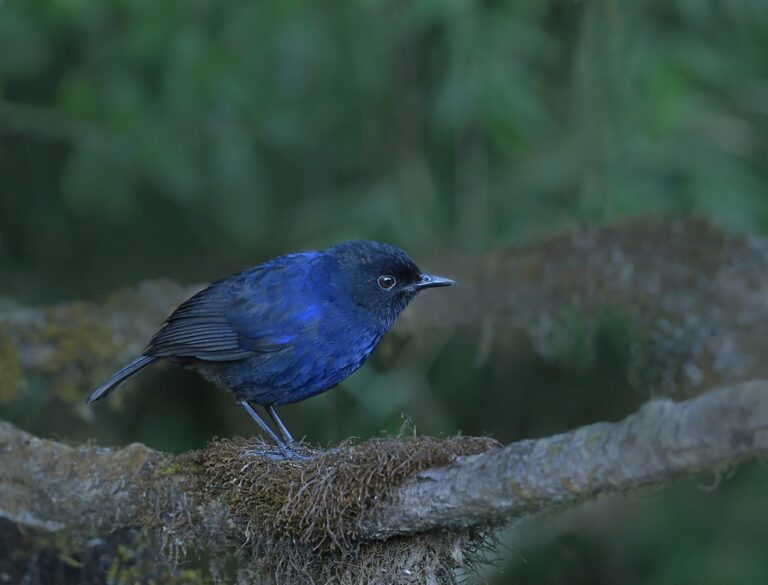
Sri Lanka whistling thrush captured in Horton Plains, Sri Lanka. Photo by Vimukthi Weeratunga.

Sri Lankan Whistling Thrush

An endemic bird inhabiting cool montane forests and shaded streams, it feeds on
insects and small invertebrates
in the island’s highlands.
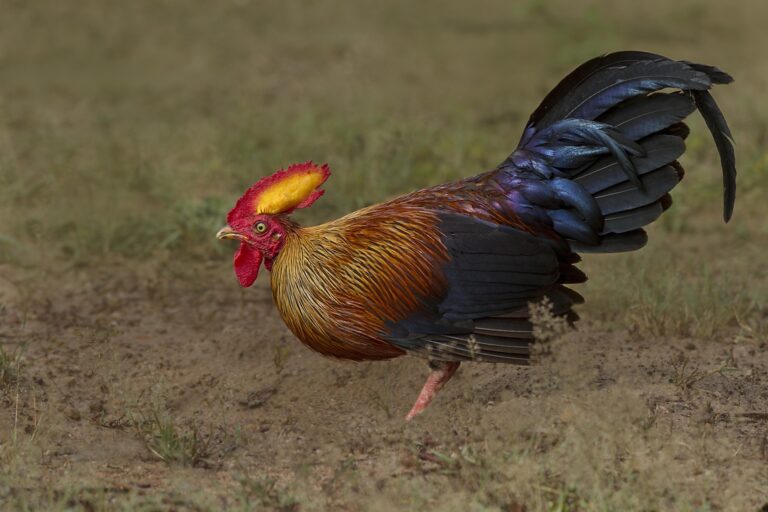
Sri Lankan junglefowl captured in Kumana, Sri Lanka. Photo by Vimukthi Weeratunga.

Sri Lankan Junglefowl

A Sri Lankan endemic bird and the national bird, it inhabits forests and scrublands, foraging on the ground for seeds, fruits, insects,
and small invertebrates.

Green-billed coucal captured in Sinharaja, Sri Lanka. Photo by Vimukthi Weeratunga.

Green-Billed Coucal

An endemic bird inhabiting lowland rainforests and dense undergrowth, it forages near the ground for insects, snails, lizards, and frogs.
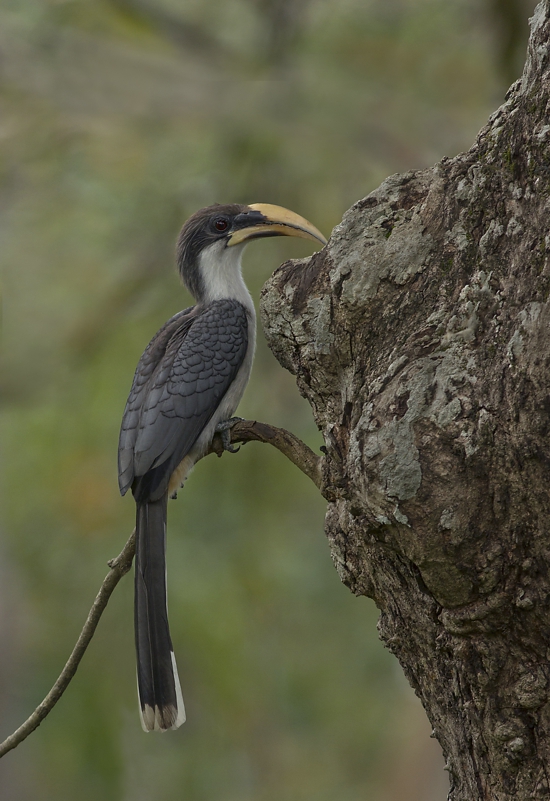
Sri Lanka grey hornbill captured in Habarana, Sri Lanka. Photo by Vimukthi Weeratunga.

Sri Lanka Grey Hornbill

An endemic hornbill inhabiting forests and wooded areas, it feeds mainly on fruits and figs, helping disperse seeds throughout its habitat.
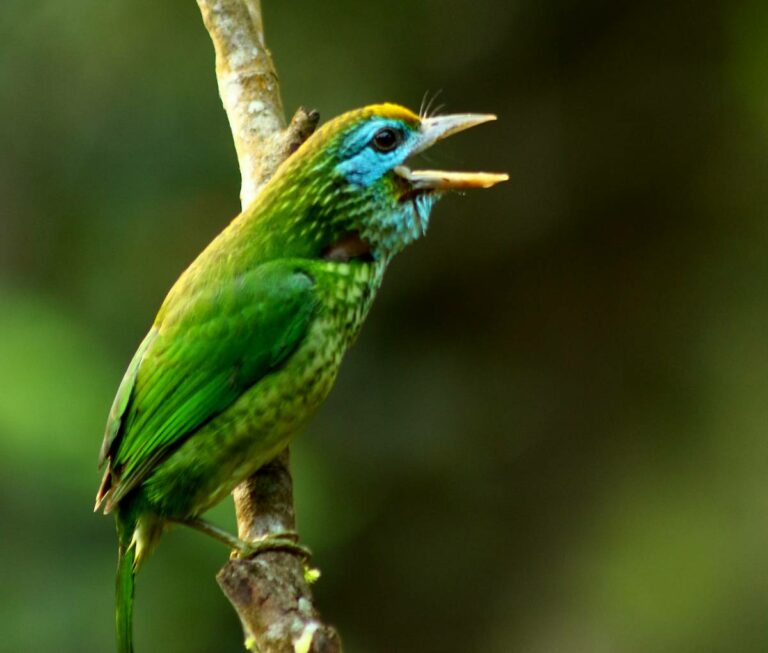
Yellow-fronted barbet captured in Sinharaja, Sri Lanka. Photo by Nitharsan Aloysius

Yellow Fronted Barbet

An endemic bird inhabiting forests and wooded gardens, it feeds mainly on fruits, recognised by its bright yellow forehead and green plumage.

What´s included and what´s not included

Your Tourguides

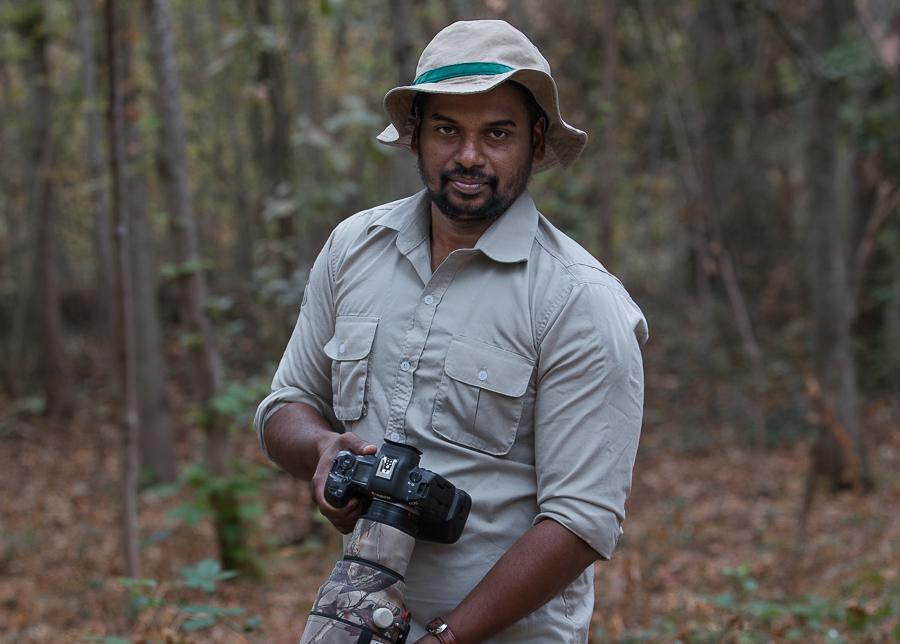
Nitharsan ALOYSIUS – Founder, Researcher & Wildlife Guide of Avian Atlas

Nitharsan ALOYSIUS

Founder, Researcher & Wildlife Guide

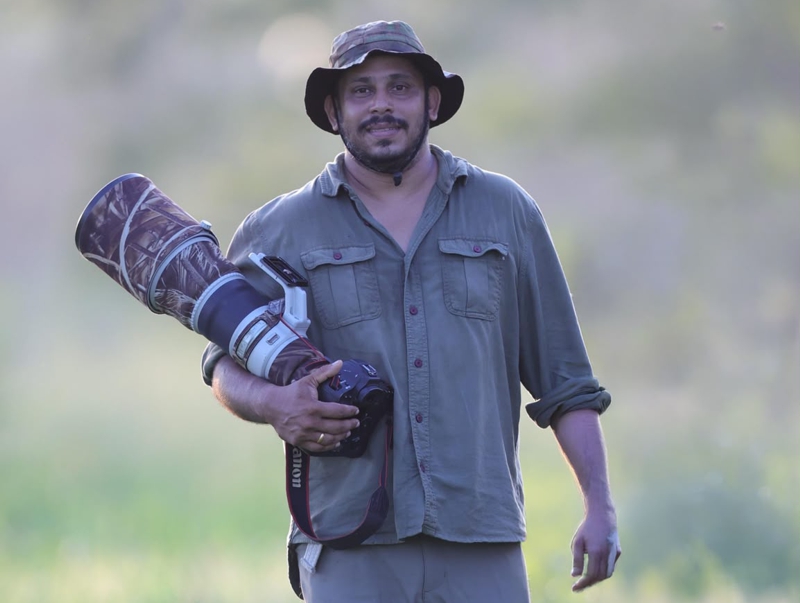
Suraj PERERA – Tour Leader & Wildlife Photographer | Avian Atlas

Suraj PERERA

Wildlife Guide & Nature Photographer

Accommodation

Each stay is carefully selected to complement your journey, with an emphasis on comfort, quality and location. Accommodation is subject to availability, with suitable alternatives of a comparable standard arranged when necessary. Final details will be confirmed ahead of your journey.

Group Size & Tour Leadership

Our expeditions welcome a minimum of 2 and a maximum of 10 guests.
For groups exceeding five participants, field activities, including safaris, may be arranged in smaller groups of no more than five guests, accompanied by dedicated tour leadership to ensure a personal and attentive experience.

Conservation Commitment

Conservation is part of every expedition.
We believe the most meaningful journeys leave a positive legacy. Through responsible wildlife encounters,
respect for natural habitats and partnerships with local communities, we strive to protect what makes each destination extraordinary.
As Avian Atlas grows, we aim to dedicate a share of our resources to conservation and biodiversity, helping protect the natural world and the communities connected to it for generations to come.

Calendar of planed Birding Discovery Tours

06aprAll Day1510 Days Birding Discovery Tour10 Days Tour – April 2027

Ready to plan your expedition?

You need more information about our 10 Days Birding Discovery Tours?
You could not find any date according to your timetable in our Calendar of Tours?

© 2026  Avian Atlas Expeditions
Legal Notice  •  Privacy Policy • Terms and Conditions

error: Content is protected !!