Birding Discovery Tour

Birding Discovery Tour

Sri Lanka - 15 Days - Wetlands & Forests - National Parks

15

Days

5.000€

per Person

10-12

Group Size

Low-Med

Fitness Abillity

24-32°

Teperature Range

Dec.-Mar.

Best Season

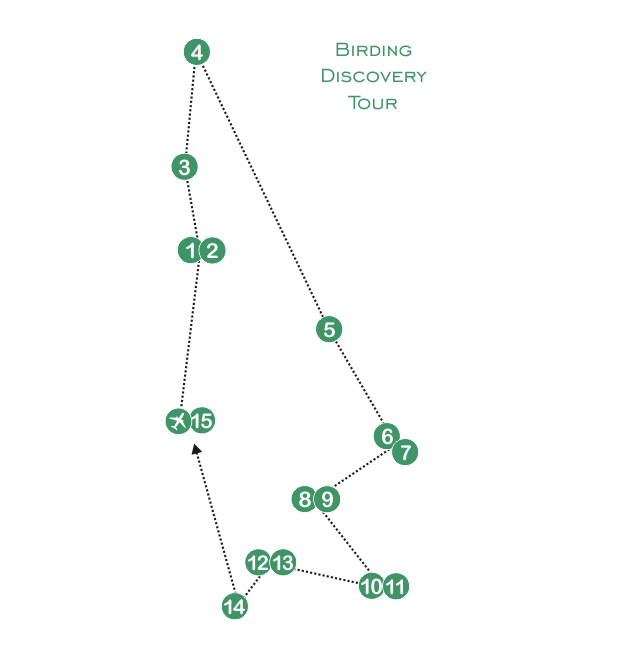
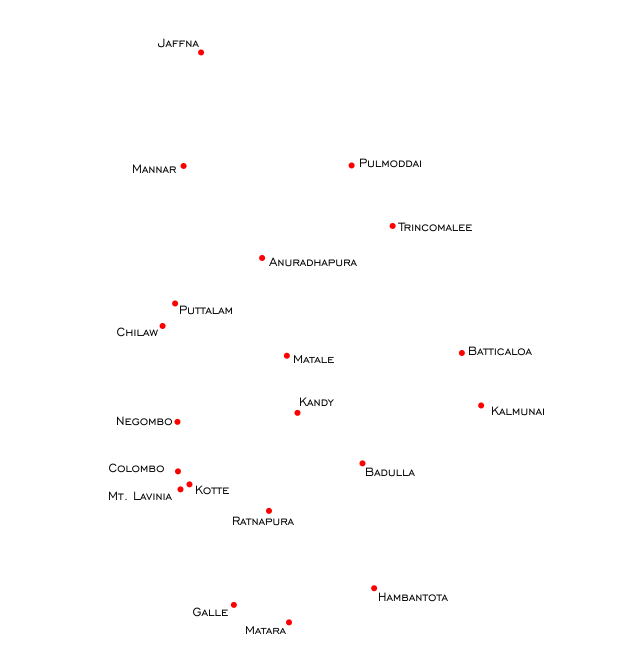
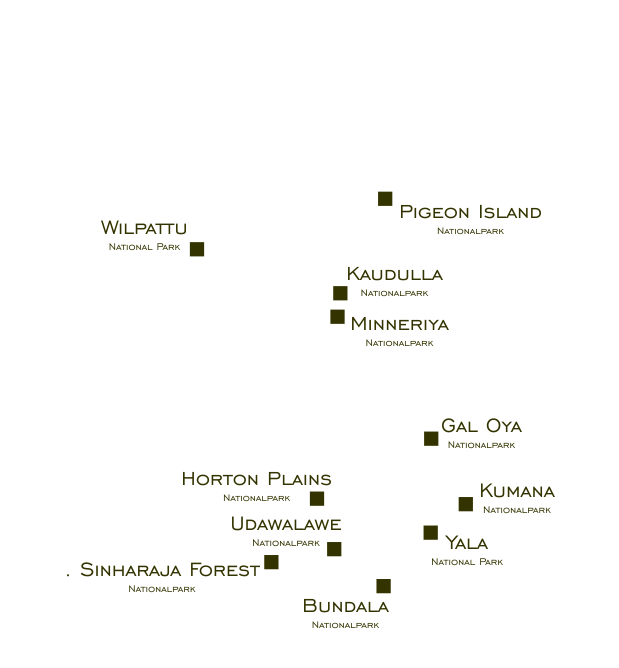
Sri Lanka holds 33 endemic bird species. This expedition is built to find as many of them as possible — and to understand the habitats that shaped them. Over fifteen days you will move through every major bird ecosystem on the island: the dry-zone forest of Wilpattu, the flamingo lagoons of Mannar, the coastal scrub of Jaffna, the woodland edges of Sigiriya, the cloud forest of Horton Plains, three days in the endemic-rich understorey of Sinharaja, and the Ramsar wetlands of Bundala. The route is deliberate. Each location adds species the last one couldn't. Guided by field researchers who know these habitats intimately — and can identify a call before the bird appears.
Itinerary of the Tour

TRAVEL TO WILPATTU

WHAT TO EXPECT:

Meet the group at the agreed arrival point and travel north towards Wilpattu National Park. After arrival, enjoy your first Sri Lankan lunch before checking in and taking time to rest. In the evening, we will have dinner together, followed by a tour briefing covering the journey ahead.

PERSONAL COMFORT:

A relaxed travel day with time to rest after arrival. Comfortable clothing and a light layer for the journey are recommended.

TRAVEL:

Approximately 3.5 hours by road.

STAY:

Wilpattu
FOREST BIRDS, LEOPARDS, ELEPHANTS & MORE - TRAVEL TO MANNAR

WHAT TO EXPECT:

Begin the day with a morning safari at Wilpattu National Park, starting with a bag breakfast in the field. The safari will focus on the park’s diverse forest, scrub, and villu habitats, offering excellent opportunities to observe woodland and wetland birds alongside larger wildlife. After lunch in the field, continue with a late-afternoon safari before travelling to Mannar for the evening. After the late-afternoon safari, travel to Mannar for the night.

ANTICIPATED SPECIES:

Wilpattu supports more than 200 recorded bird species, with possible sightings including Sri Lanka Junglefowl, Sri Lanka Grey Hornbill, Sri Lanka Hanging Parrot, Malabar Pied Hornbill, Crested Serpent Eagle, and a variety of woodland and wetland birds. Larger wildlife may include Sri Lankan Leopard, Sloth Bear, Sri Lankan Elephant, Spotted Deer, Wild Water Buffalo, and Mugger Crocodile. The park’s distinctive villus, natural water bodies surrounded by forest, are important wildlife habitats.

PERSONAL COMFORT:

A full day in a 4WD safari vehicle with minimal walking. Basic bathroom facilities are available at designated locations within Wilpattu. The day involves an early start and extended time outdoors, so comfortable clothing, sun protection, and adequate hydration are recommended.

TRAVEL:

Approximately 2.5 hours by road.

STAY:

Mannar

WHAT TO EXPECT:

A full day of guided birding across the wetlands, lagoons, mangrove forests, and coastal habitats of Mannar, one of Sri Lanka’s most important areas for migratory birds. The day will focus on exploring different habitats and observing large concentrations of waterbirds, shorebirds, and other seasonal visitors. The open landscapes also offer excellent opportunities for bird photography and observing birds in flight and feeding flocks.

ANTICIPATED SPECIES:

During the migratory season, possible sightings include Greater Flamingo, Eurasian Curlew, Black-tailed Godwit, Common Redshank, Marsh Sandpiper, Grey Plover, Little Stint, Gull-billed Tern, and Caspian Tern, along with herons, egrets, kingfishers, and resident wetland species. Brahminy Kite and other raptors may also be encountered. Species and numbers will vary depending on the season, water levels, tides, and local conditions.

PERSONAL COMFORT:

A full day of birding with moderate walking across uneven and occasionally muddy terrain. Much of the day will be spent outdoors under strong sun, so light clothing, a hat, sunscreen, sturdy footwear, and adequate hydration are recommended.

STAY:

Mannar

WHAT TO EXPECT:

Begin the morning with a final birding session in Mannar, exploring its wetlands and coastal habitats before travelling to Jaffna. After lunch and check-in, enjoy an evening birding session across Jaffna’s lagoons, saltpans, and open coastal habitats. The dry-zone landscape offers excellent opportunities to observe both resident and migratory birds, including species adapted to open, arid habitats.

ANTICIPATED SPECIES:

Possible sightings include Indian Courser, seasonal flamingos, sandpipers, plovers, herons, egrets, and terns. Brahminy Kite and other coastal and wetland species may also be encountered. Species and numbers will vary depending on the season and local conditions.

PERSONAL COMFORT:

Easy-paced birding with minimal walking. Expect hot and sunny conditions, particularly later in the day. Light clothing, sun protection, sturdy footwear, and adequate hydration are recommended.

TRAVEL:

Approximately 2.5 hours by road

STAY:

Jaffna

WHAT TO EXPECT:

Begin the morning with a final birding session in Jaffna, exploring its lagoons, saltpans, and coastal habitats before travelling south towards Sigiriya. After arrival and check-in, the evening is reserved for rest and relaxation, preparing for the next stage of the journey.

ANTICIPATED SPECIES:

Seasonal flamingos, sandpipers, plovers, herons, egrets, and terns. Brahminy Kite and other coastal and wetland species may also be encountered, depending on the season and local conditions.

PERSONAL COMFORT:

Easy-paced morning birding with minimal walking, followed by a longer road journey. Expect warm, sunny conditions in Jaffna; light clothing, sun protection, comfortable footwear, and adequate hydration are recommended.

TRAVEL:

Approximately 4.5 hours by road

STAY:

Sigiriya

WHAT TO EXPECT:

Begin Day 6 with an early journey to Nilgala Forest Reserve, followed by a relaxed evening birding session to become familiar with the reserve and its habitats. Day 7 is dedicated to a full day of birding, exploring dry-zone forest, scrub, and woodland habitats in search of endemic and resident species. The quieter setting rewards patience, careful listening, and close observation.

ANTICIPATED SPECIES:

Nilgala Possible sightings include Yellow-footed Green-Pigeon, Painted Francolin, Jungle Bush-Quail, Sri Lanka Junglefowl, Sri Lanka Grey Hornbill, and Sri Lanka Hanging Parrot, alongside a variety of bulbuls, babblers, flycatchers, sunbirds, and other dry-zone woodland species.

PERSONAL COMFORT:

Birding involves slow walking along shaded and occasionally uneven trails, with periods of quiet observation. Expect warm conditions and occasional insects. Lightweight, breathable clothing, comfortable walking shoes, insect repellent, sun protection, and sufficient drinking water are recommended. Binoculars are essential for making the most of the experience.

TRAVEL:

Day 6, Approximately 3.5 hours by road

STAY:

Nilgala
HIKING TREK WITH HIGHLAND BIRDS

WHAT TO EXPECT:

Begin Day 8 with a morning journey from Nilgala to Horton Plains National Park, followed by an evening birding session exploring the montane grasslands and cloud forests. Day 9 begins with morning birding at Horton Plains, before travelling onwards to Bundala for a relaxed evening and rest.

ANTICIPATED SPECIES:

Possible sightings include highland endemics such as Sri Lanka Whistling Thrush, Sri Lanka Bush Warbler, Yellow-eared Bulbul, and Dull-blue Flycatcher, alongside other montane forest specialists. Sambar Deer are commonly encountered across the plains. Species activity can vary with weather and local conditions.

PERSONAL COMFORT:

Moderate trekking at higher elevation, with uneven and occasionally damp trails. Cool, windy, and misty conditions are common, particularly in the early morning. Warm layers, comfortable walking shoes, rain protection, and sufficient drinking water are recommended.

TRAVEL:

Approximately 4.5 hours by road from Nilgala to Horton Plains on Day 8 and 4 hours from Horton Plains to Bundala on Day 9.

STAY:

Day 8 in Horton Plains | Day 9 in Bundala

WHAT TO EXPECT:

Day 10 is dedicated to full-day birding in Bundala National Park, exploring its lagoons, saltpans, wetlands, and scrub habitats. On Day 11, enjoy a morning birding session in Bundala before travelling onwards to Sinharaja. After check-in, an evening birding session offers a first opportunity to explore the rainforest surroundings.

ANTICIPATED SPECIES:

Possible sightings include Greater Flamingo (seasonal), Painted Stork, Asian Openbill, Black-necked Stork, and a variety of waders, terns, and shorebirds. Brahminy Kite and White-bellied Sea Eagle may also be encountered. In Sinharaja, the evening session may provide opportunities to encounter endemic rainforest birds and other forest species.

PERSONAL COMFORT:

Bundala birding involves comfortable 4WD safaris with minimal walking. Expect hot, dry conditions and strong sun exposure. The transition to Sinharaja brings cooler, humid rainforest conditions, with uneven and occasionally damp trails. Light clothing, sun protection, comfortable footwear, and adequate hydration are recommended.

TRAVEL:

Approximately 3.5 hours by road

STAY:

Day 10 in Bundala | Day 11 in Sinharaja

WHAT TO EXPECT:

With the day 12 evening birding, enjoy two full days of immersive birding within Sinharaja Forest Reserve, a UNESCO World Heritage Site renowned for its exceptional biodiversity. Guided walks along shaded rainforest trails will focus on endemic birds, mixed-species flocks, and the diverse habitats of one of Sri Lanka’s richest ecosystems. The slower pace allows time for careful listening, patient observation, and photography.

ANTICIPATED SPECIES:

Possible sightings include Sri Lanka Blue Magpie, Red-faced Malkoha, Sri Lanka Spurfowl, and Ashy-headed Laughingthrush, along with other endemic rainforest specialists. Mixed-species flocks, amphibians, butterflies, and occasional mammals such as Purple-faced Langur may also be observed.

PERSONAL COMFORT:

Moderate walking on humid rainforest trails, with uneven and occasionally damp ground. Leeches may be encountered, particularly after rain. Light, long-sleeved clothing, comfortable walking shoes, insect protection, and adequate hydration are recommended. Leech socks will be provided.

STAY:

Day 12 & 13 in Sinharaja

WHAT TO EXPECT:

Begin the morning with a journey from Sinharaja to Galle. After arrival and check-in, enjoy a relaxed afternoon to rest, unwind, and prepare for your departure the following day. The evening provides an opportunity for a final farewell and to reflect on the highlights of the journey.

PERSONAL COMFORT:

A relaxed day with minimal activity after the morning journey. The remainder of the day is reserved for rest and personal time, allowing you to prepare comfortably for your onward journey.

WHAT TO EXPECT:

Enjoy a relaxed final morning in Galle before your comfortable transfer to the airport for your onward journey home.

PERSONAL COMFORT:

A leisurely morning with minimal activity, followed by a smooth airport transfer. Travel times will depend on your departure flight and airport.

Target Species

Sri Lankan
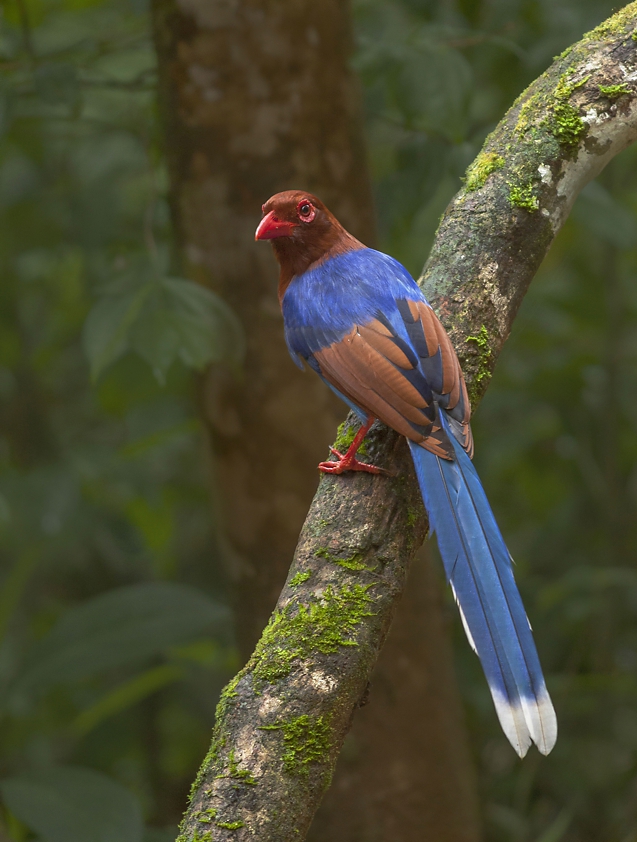
Blue Magpie

Urocissa ornata

Sri Lanka blue magpie is a Sri Lankan endemic bird found in lowlandand montane rainforests, dense evergreen forests, and forest edges. It feeds on insects, small reptiles, fruits, and seeds and is easily recognized by its brilliant blue plumage, chestnut head, and long bluetail.
Sri Lankan
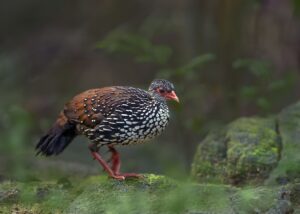
Spurfowl

Galloperdix bicalcarata

Sri Lanka spurfowl is a Sri Lankan endemic bird found in lowland andmontane forests, dense undergrowth, and forest edges. It is a shy, ground-dwelling species that feeds on seeds, fruits, insects, andother small invertebrates.
Sri Lankan
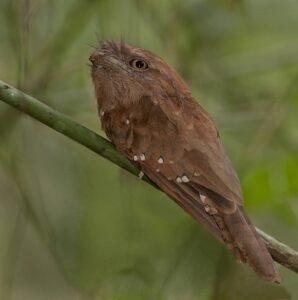
Frogmouth

Batrachostomus moniliger

Sri Lanka frogmouth is a nocturnal bird found in lowland rainforests, evergreen forests, and dense forest undergrowth. In Sri Lanka, it occurs mainly in the wet-zone forests, where it feeds on insects and other small invertebrates, relying on its excellent camouflage while roosting during the day.
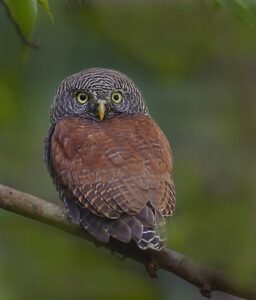
Chestnut-Backed Owlet

Glaucidium brasilianum

Chestnut-backed owlet is a Sri Lankan endemic owl found in lowland rainforests, evergreen forests, and dense forest edges.
It is a small, nocturnal predator that feeds on insects, small reptil
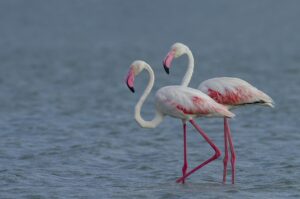
Greater Flamingo

Phoenicopterus ruber roseus

Greater flamingo is a large migratory waterbird found in coastal lagoons, salt marshes, mudflats, and shallow wetlands. In Sri Lanka, it is a rare winter visitor, mainly occurring in the northern and northwestern coastal wetlands, where it feeds on algae, small aquatic organisms, and crustaceans.
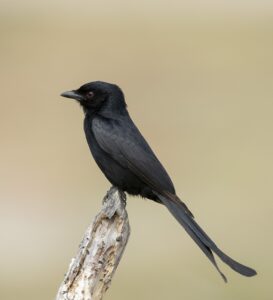
Black Drongo

Dicrurus macrocercus

Black Drongo is a medium-sized insectivorous bird found mainly inopen dry-zone habitats, including scrublands, agricultural areas, and grasslands. In Sri Lanka, it is largely restricted to the northern and northwestern regions, where it is associated with open landscapes and dry habitats.
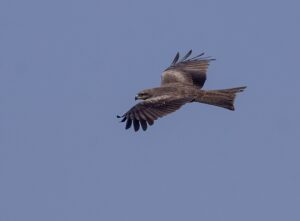
Black Kite

Milvus migrans

Black kite is a medium-sized bird of prey mainly found in open landscapes, coastal areas, wetlands, agricultural fields, and urban habitats. In Sri Lanka, it is considered a localized species, mainly restricted to the northern region, where it is associated with dry open habitats and coastal environments.
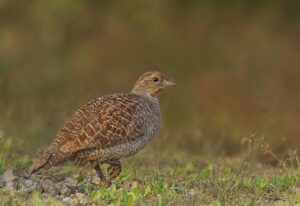
Gray Francolin

Ortygornis pondicerianus

Grey francolin is a ground-dwelling bird found in dry open habitats, scrublands, and agricultural areas. In Sri Lanka, it is a scarceresident species mainly restricted to the dry zone, particularly the northern and eastern regions. It feeds on seeds, grains, insects, andsmall invertebrates and is often heard calling from grasslands and scrub habitats.
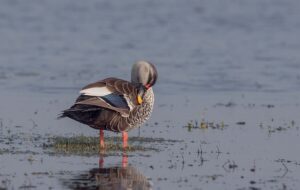
Spot-Billed Duck

Anas poecilorhyncha

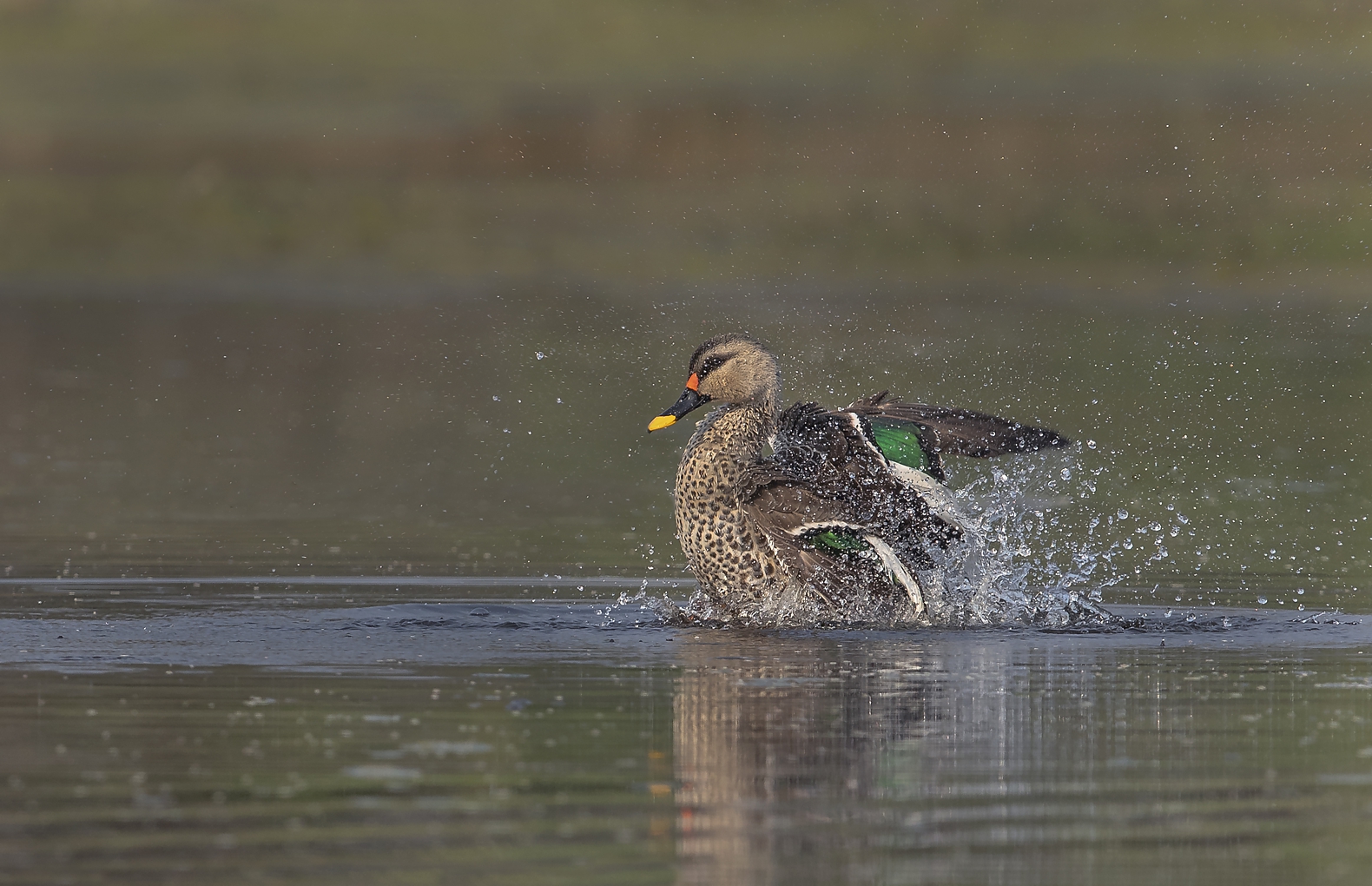
Spot-billed duck is a medium-sized duck found across South and Southeast Asia. In Sri Lanka, it is an uncommon winter migrant, occurring mainly in wetlands, reservoirs, marshes, and lagoons. It feeds on aquatic plants, seeds, and small invertebrates and is recognized by its distinctive black bill with a bright yellow tip.
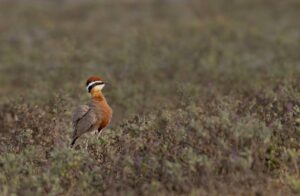
Indian Courser

Cursorius coromandelicus

Indian courser is a small ground-dwelling bird found in dry, open habitats such as scrublands, grasslands, and sandy plains. In Sri Lanka, it is a rare winter visitor, mainly recorded in the dry zone, especially in the northern and southeastern regions. It feeds on insects and other small invertebrates, often running quickly across open ground in search of food.
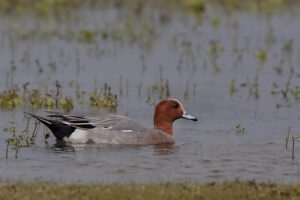
Eurasian Wigeon

Mareca penelope

European wigeon is a medium-sized migratory duck that breeds across northern Europe and Asia and winters farther south, with small numbers migrating to Sri Lanka. It feeds mainly on grasses and aquatic plants and is commonly found in flocks in wetlands, lagoons, and reservoirs.
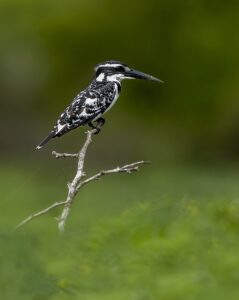
Pied Kingfisher

Ceryle rudis

Pied kingfisher is a medium-sized black-and-white kingfisher found around rivers, lakes, lagoons, and reservoirs. In Sri Lanka, it is a resident species widely distributed across wetlands throughout the island. It feeds mainly on fish, often hovering above water before diving to catch its prey.
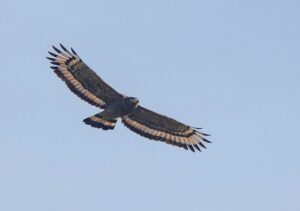
Crested Serpent Eagle

Spilornis cheela spilogaster

Crested serpent eagle is a medium-sized bird of prey widely distributed across Sri Lanka. It inhabits forests, scrublands, plantations, and open countryside, where it hunts reptiles, especially snakes, along with frogs and small mammals. It is recognized by its broad wings, prominent crest, and loud, distinctive call often heard in forested areas.
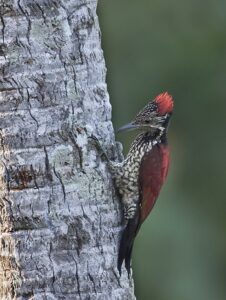
Lesser Goldenback

Dinopium benghalense

The **Lesser Goldenback**, also knownas the **Black-rumped Flameback**, is a colorful woodpecker found across the Indian subcontinent, including Sri Lanka. Easily recognized by its golden-yellow back and vibrant red crest in males, it is commonly seen climbing tree trunks in search of insects.
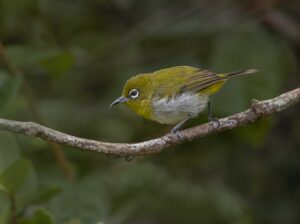
Sri Lankan
White-Eye

Zosterops ceylonensis

Sri Lanka white-eye is a small songbird endemic to Sri Lanka. It is mainly found in the central highlands, inhabiting montane forests, forest edges, and gardens at higher elevations, including areas suchas Horton Plains National Park and Hakgala Botanical Garden. It feeds on insects, nectar, and fruits and is easily recognized by its distinctive white eye-ring and olive-green plumage.
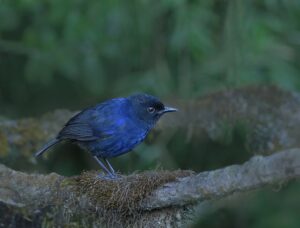
Sri Lankan
Whistling Thrush

Myophonus blighi

Sri Lanka whistling thrush is a Sri Lankan endemic bird found mainly in montane forests, cloud forests, and streams of the central highlands. It prefers cool, shaded habitats near water, where it feeds on insects, small invertebrates, and occasionally small aquatic prey

What´s included and what´s not included

Accommodation Overview

Eco-Lodge

3 Nights

Lorem ipsum dolor sit amet,
consetetur sadipscing elitr
Eco-Lodge

3 Nights

Lorem ipsum dolor sit amet,
consetetur sadipscing elitr

Eco-Lodge

3 Nights

Lorem ipsum dolor sit amet,
consetetur sadipscing elitr

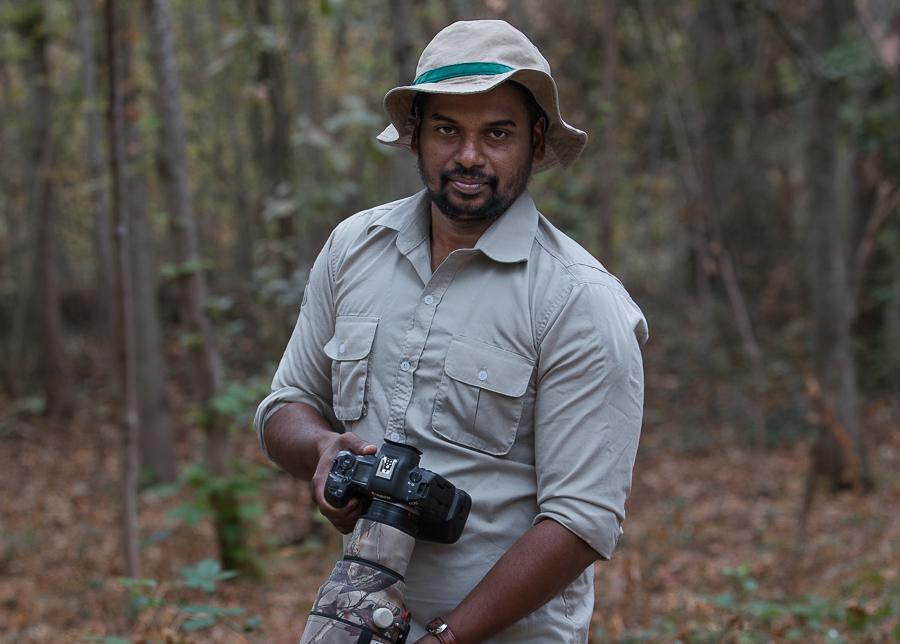
Your Tourguide

Nitharsan ALOYSIUS

Founder & Wildlife Guide

Conservation commitment

Conservation is not an optional addition to an Avian Atlas journey.
It is part of how we believe wildlife tourism should operate.

We are committed to working with local guides, communities and conservation-minded partners
whose livelihoods are connected to the protection of natural landscapes and wildlife.

We aim to keep wildlife encounters responsible:
maintaining appropriate distances, avoiding disturbance, respecting park
regulations and never prioritising a photograph over the welfare of an animal.

We also believe that tourism should create value for the people who live alongside these ecosystems.
Wherever possible, we favour locally owned services and local expertise so that more of the value generated by travel
remains within the communities and destinations we visit.

As Avian Atlas grows, we intend to dedicate a defined share of our resources to conservation
and biodiversity initiatives in the landscapes where we operate.

Calendar of planed Birding Discovery Tours

01marAll Day15Birding Discovery 2027March 2027 Tour – 15 Days / 14 Nights

Ready to plan your expedition?

You need more information about our 15 Days Birding Discovery Tours?
You could not find any date according to your timetable in our Calendar of Tours?

Avian Atlas

Explore Experience Connect
Wildlife expeditions in Sri Lanka.

Contact us

© 2026 Draft for Avian Atlas Expeditions
Politique de confidentialité

error: Content is protected !!