Sri Lanka - 15 Days - Heritage Tours - National Parks
15
Days
5.000€
Per Person
2-10
Group Size
Low-Med
Fitness Abillity
24-32°C
Temperature Range
Apr-Dec
Best Season
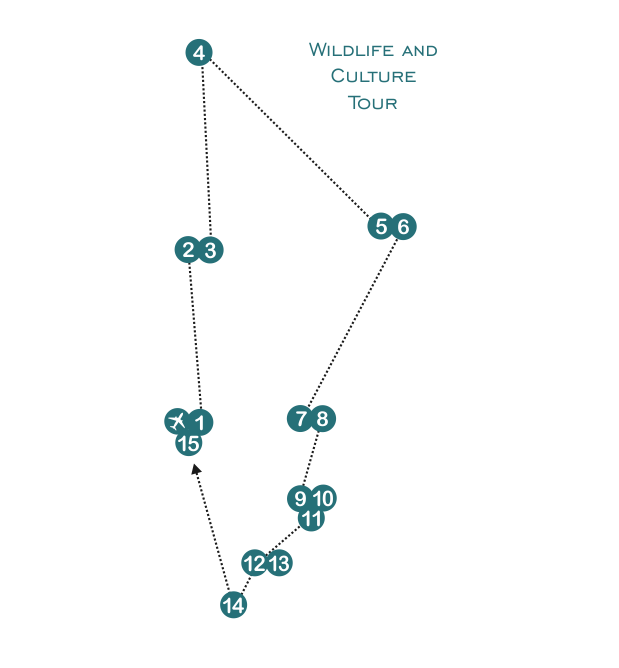
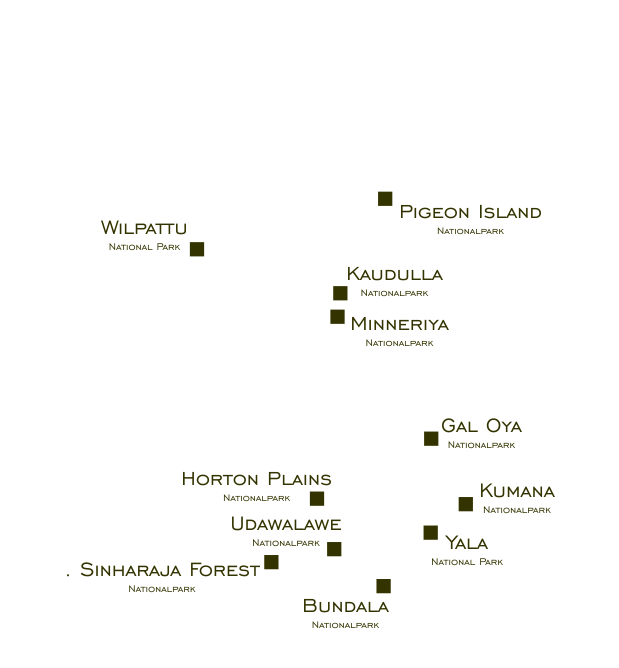
Sri Lanka has been continuously inhabited for over 2,500 years. The forests that shelter its leopards also surround its ancient cities. The coastal lagoons that draw migratory flamingos lap against colonial forts and fishing communities unchanged for generations. On this fifteen-day expedition the wildlife and the human story of the island are treated as what they actually are — inseparable. You begin on the coast at Negombo, move north to the leopard country of Wilpattu, then through Jaffna and Trincomalee where Tamil culture and coastal birdlife occupy the same landscape. Kandy, the island's sacred hill capital. The highland endemics of Horton Plains. Three days in the UNESCO rainforest of Sinharaja. A final morning at Galle Fort, where egrets fish in the moat. Guided by people who understand both what they're looking at and what it means.
WHAT TO EXPECT:
Arrival in Negombo and transfer to your hotel. Time to relax and recover after your journey, with the option to enjoy a gentle walk along or explore the town’s laid-back coastal atmosphere.ANTICIPATED EXPERIENCES:
First impressions of Sri Lanka’s coastal life, including fishing communities, lagoon views, and local culture.PERSONAL COMFORT:
Minimal activity. A restful day to unwind light, comfortable clothing recommended in warm, humid conditions.WHAT TO EXPECT:
This is our first big adventure: the day safari at Wilpaththu. The day will start with a bag breakfast and a morning safari. After a lunch in the field, we will enjoy a late afternoon safari and then go back to the hotel for dinner.ANTICIPATED SPECIES:
In Wilpattu National Park, Sri Lanka, you can expect to see top predators like the Sri Lankan leopard and sloth bear, along with Sri Lankan elephants, spotted deer, water buffalo, and mugger crocodiles. The park is famous for its unique villus (natural, sand-rimmed lakes) that attract diverse wildlife.Over 250 bird species including the Sri Lanka Junglefowl, Sri Lanka Grey Hornbill, Sri Lanka Hanging Parrot, Malabar pied hornbill and Crested Serpent Eagle can be found here.PERSONAL COMFORT:
There are bathrooms available at Wilpaththu. We will spend two nights at WilpaththuNo Day 3 in the Document
WHAT TO EXPECT:
A balanced exploration of Jaffna combining cultural heritage, wildlife observation, and coastal birding. Visit historic sites and local communities while also exploring lagoons, saltpans, and dry-zone habitats known for rich bird diversity.ANTICIPATED EXPERIENCES:
Cultural highlights include temples, colonial remnants, and local village life. Wildlife and birding opportunities feature coastal and wetland species such as flamingos (seasonal), waders, herons, egrets, and raptors, along with dry-zone birds like hornbills and kingfishers.PERSONAL COMFORT:
Easy-paced travel with minimal walking. Hot, dry conditions, light clothing, sun protection, and hydration are essential for comfort throughout the day.WHAT TO EXPECT:
A diverse day exploring Trincomalee, combining cultural heritage sites with coastal wildlife and birding experiences. Visit historic landmarks, then continue to lagoons, beaches, and mangrove edges for relaxed wildlife observation in a scenic eastern coastal setting.ANTICIPATED EXPERIENCES:
Cultural highlights include ancient temples and colonial-era sites. Wildlife and birding opportunities feature coastal and wetland species such as terns, herons, egrets, and waders, with occasional sightings of raptors like Brahminy Kite and White-bellied Sea Eagle. Dolphin and marine life sightings are possible along the coast.PERSONAL COMFORT:
Easy-paced exploration with minimal walking. Warm, humid coastal conditions, light clothing, sun protection, and hydration are recommended throughout the day.WHAT TO EXPECT:
A cultural exploration of Kandy, the island’s historic hill capital. Visit sacred sites, colonial-era landmarks, and scenic viewpoints, with opportunities for gentle nature walks around the lake and nearby forested areas.ANTICIPATED EXPERIENCES:
Key highlights include cultural and religious heritage sites, traditional Kandyan architecture, and the serene lake environment. Light wildlife encounters may include urban-adapted birds such as kingfishers, cormorants, bulbuls, and mynas.PERSONAL COMFORT:
Easy-paced city and nature exploration with minimal walking. Mild to warm conditions, comfortable clothing and hydration recommended.WHAT TO EXPECT:
A scenic highland trek through the montane grasslands and cloud forests of Horton Plains National Park. Walk along well-defined trails across open plains and misty forests, with sweeping viewpoints and rich opportunities to observe high-elevation wildlife and unique ecosystems.ANTICIPATED SPECIES:
Sambar Deer (Rusa unicolor) are frequently encountered, along with a variety of wetland and montane bird species. Expect endemic highlights such as Sri Lanka Whistling Thrush, Sri Lanka Bush Warbler, and other highland specialists.PERSONAL COMFORT:
Moderate trekking on well-marked trails at higher elevations. Cool, windy conditions are common layered clothing, comfortable walking shoes. Basic bathroom facility available at the entrance & inside the park.WHAT TO EXPECT:
Immersive rainforest exploration within Sinharaja Forest Reserve, a UNESCO World Heritage Site renowned for its exceptional biodiversity. Guided walks along shaded forest trails offer close encounters with dense vegetation, mixed-species bird flocks, and one of the island’s richest ecosystems.ANTICIPATED SPECIES:
A high diversity of endemic birds including Sri Lanka Blue Magpie, Red-faced Malkoha, Sri Lanka Spurfowl, and Ashy-headed Laughingthrush. Mixed-species flocks, amphibians, butterflies, and occasional mammals such as Purple-faced Langur may also be observed.PERSONAL COMFORT:
Moderate walking on forest trails in humid conditions. Expect occasional leeches, light long-sleeved clothing, leech socks (will be provided).WHAT TO EXPECT:
A scenic exploration of Galle, blending colonial heritage with coastal and mangrove birding. Walk through the historic fort, followed by relaxed observation along estuaries, lagoons, and shoreline habitats.ANTICIPATED EXPERIENCES:
Highlights include UNESCO-listed Galle Fort, coastal village life, and mangrove ecosystems. Birding opportunities feature terns, gulls, herons, egrets, kingfishers, and raptors such as Brahminy Kite and White-bellied Sea Eagle.PERSONAL COMFORT:
Easy walking on flat terrain. Warm, humid coastal conditions, light clothing, sun protection, and hydration recommended.WHAT TO EXPECT:
A relaxed morning followed by a comfortable transfer to the airport for your departure.
PERSONAL COMFORT:
Minimal activity with a smooth vehicle transfer. Light, comfortable travel attire recommended.
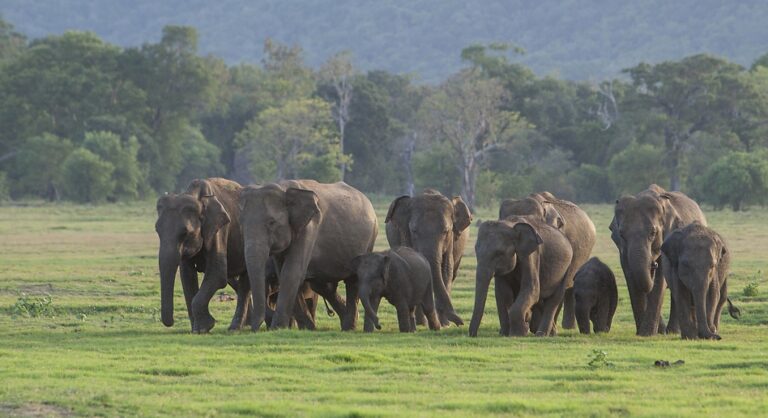
Sri Lanka’s largest land mammal, this Asian elephant subspecies inhabits dry-zone forests and national parks, shaping forest ecosystems through its feeding habits.
A Sri Lankan endemic subspecies and the island’s largest terrestrial predator, it inhabits diverse forests and grasslands, hunting deer, wild boar, monkeys, and smaller animals.
Common in Sri Lanka’s dry-zone forests and grasslands, this social deer lives in herds, feeding on grasses, leaves, and fruits, while serving as prey for leopards.
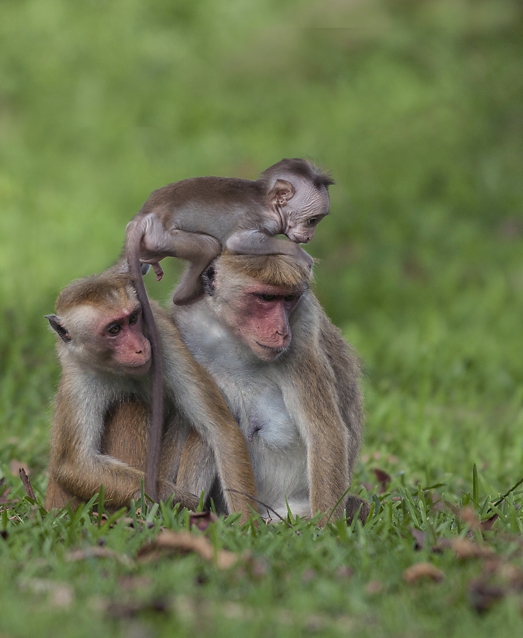
A Sri Lankan endemic primate threatened by habitat lossand human-wildlife conflict,
it inhabits forests and feedson fruits,
leaves, and insects.
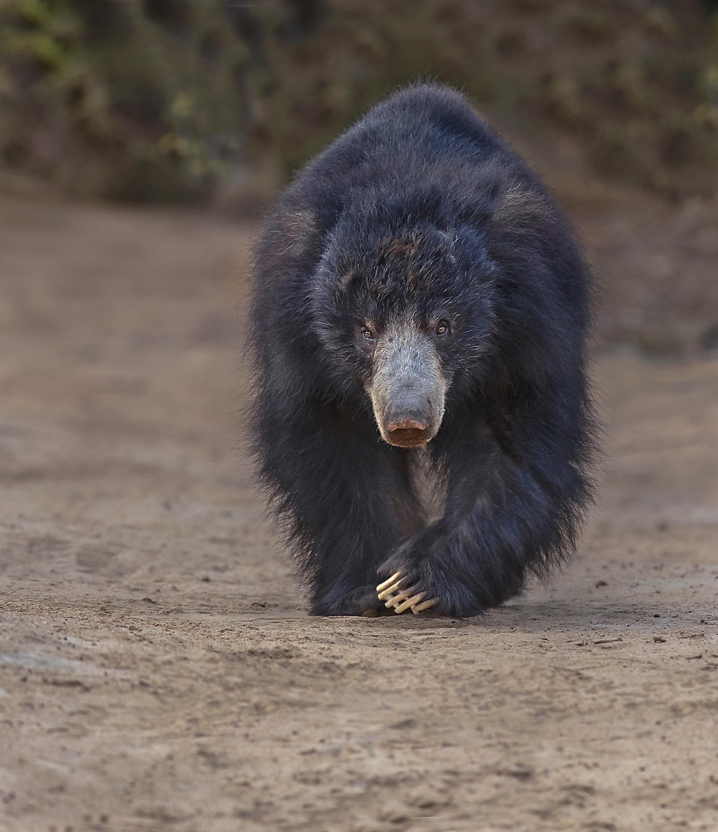
A Sri Lankan endemic subspecies inhabiting dry-zoneforests and scrublands, it feeds on termites, ants, fruits, and honey, while helping disperse seeds and control insects.
An endemic primate inhabiting rainforests and montane forests, it feeds mainly on leaves, living in social groups and recognised by its pale face and long tail.
A graceful winter visitor to coastal wetlands and reservoirs, it feeds on aquatic plants, seeds,
and small invertebrates.
A migratory duck visiting wetlands and reservoirs in small numbers, it feeds mainly
on grasses and aquatic plants,
often gathering in flocks.
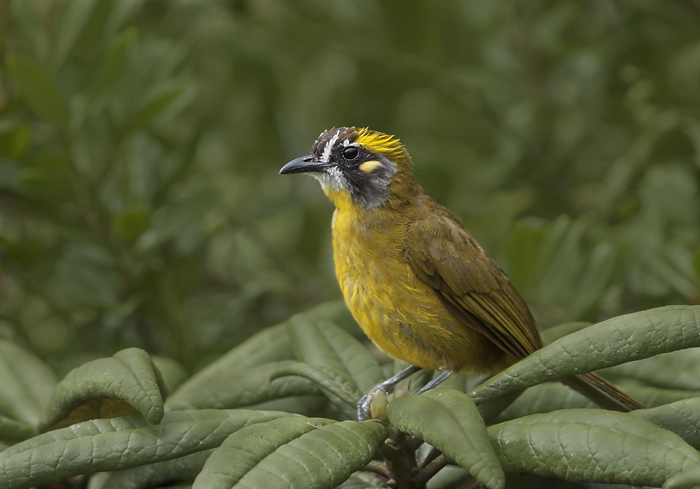
An endemic songbird inhabiting montane forests and highland gardens, it feeds on fruits and insects, recognised by its yellow ear patch and olive-brown plumage.
A resident songbird inhabiting wet-zone forests and montane woodlands, it feeds on insects, earthworms, fruits, and berries.
An endemic bird inhabiting lowland rainforests and dense undergrowth, it forages near the ground for insects, snails, lizards, and frogs.
An endemic frog inhabiting cool, humid montane forests, it shelters among mosses, leaf litter, and vegetation in the island’s highlands.
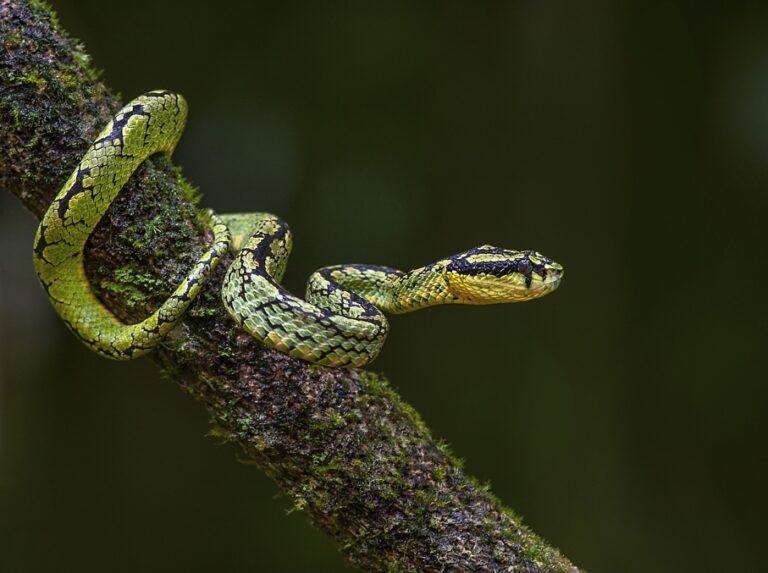
An endemic venomous snake inhabiting rainforests, it hunts frogs, lizards, birds, and small mammals, blending into foliage with its green scales.
An endemic lizard inhabiting montane forests,
it feeds on insects and small invertebrates, recognised by its dark cheek markings and spiny crest.
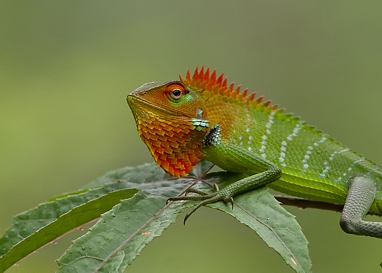
A large arboreal lizard inhabiting rainforests and forest edges, it feeds on insects and small invertebrates, often resting on
tree trunks and branches.

An iconic tree of the northern landscape, Palmyra palms line coastal roads and lagoons, creating striking silhouettes against Jaffna’s golden sunsets.
A sacred Nallur Festival ritual in Jaffna, where temple priests perform traditional ceremonies amid ornate decorations, vibrant attire, and devotional offerings.
A 25-day Hindu festival in Jaffna, celebrated with colourful processions, traditional music, sacred rituals, and a grand chariot procession.
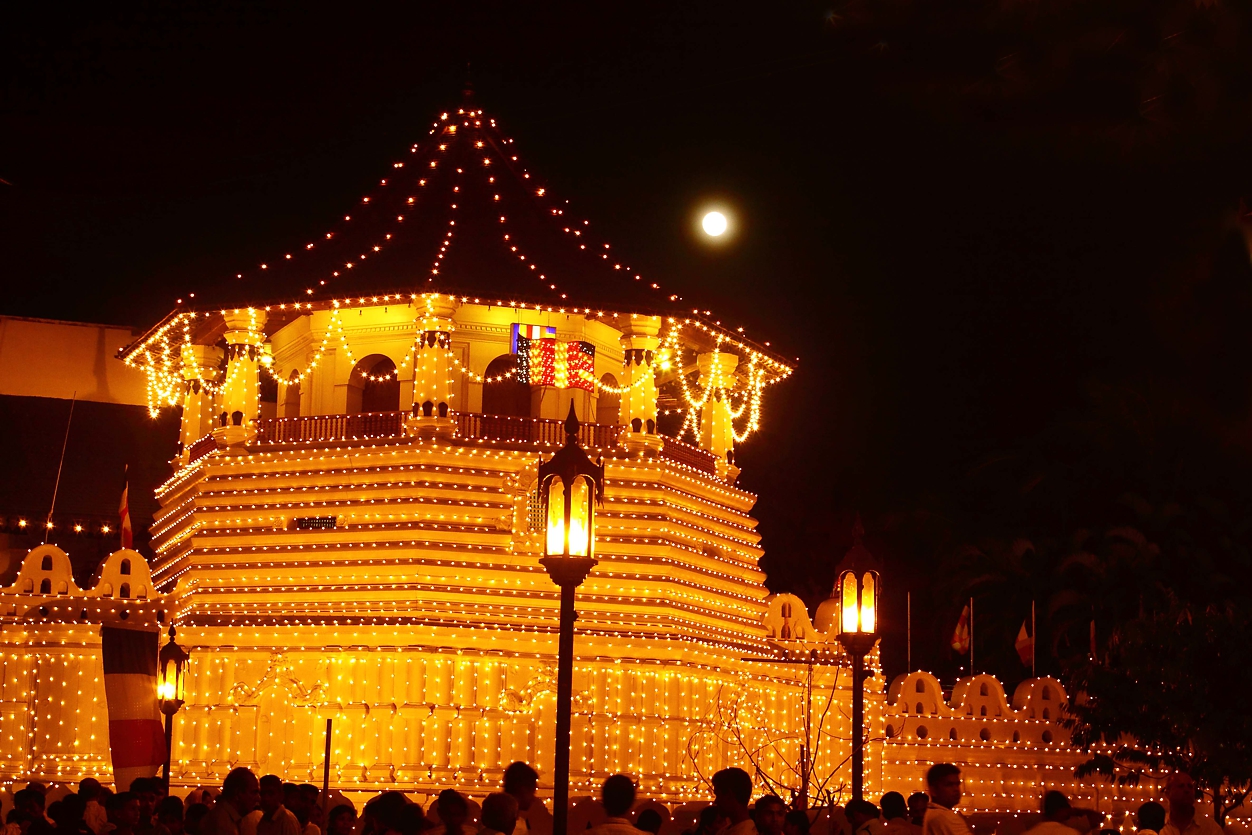
A sacred Buddhist temple in Kandy, housing the Buddha’s tooth relic and renowned for its rich history, traditional architecture, and spiritual significance.
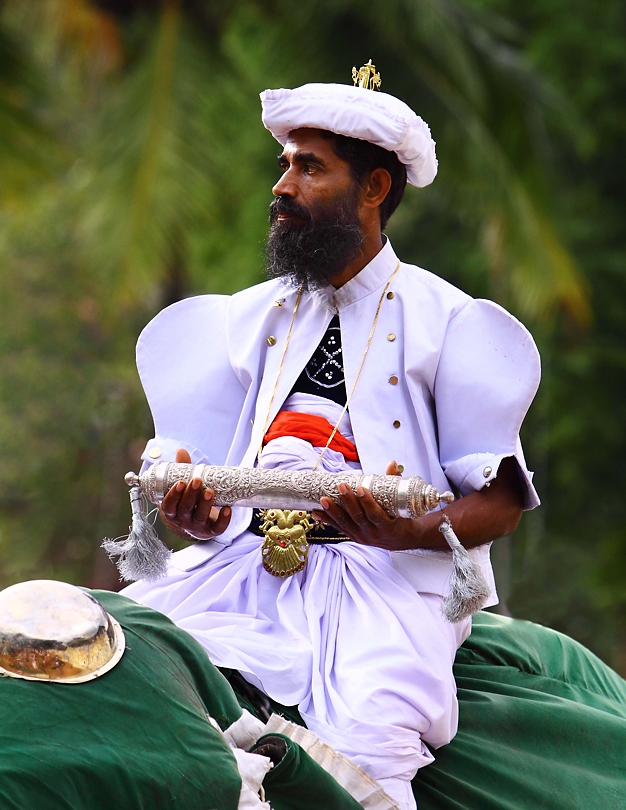
A grand cultural festival in Kandy, featuring traditional dancers, drummers, decorated elephants, and sacred rituals honouring the Buddha’s tooth relic.
An ancient rock fortress in central Sri Lanka, renowned for its frescoes, landscaped gardens, remarkable architecture, and panoramic views.
A tropical rainforest rich in streams, waterfalls, and freshwater habitats, supporting
diverse plant and animal life in a
humid evergreen ecosystem.
A lush rainforest landscape in Sinharaja, where crystal clearstreams flow over rocky beds beneath dense evergreen canopy,
sustaining rich biodiversity
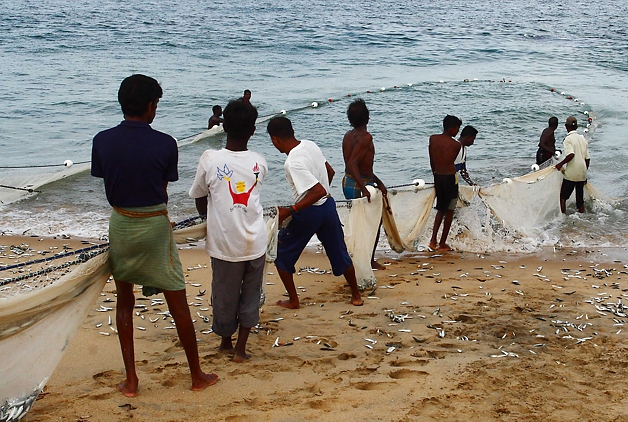
A traditional shore-seine fishing method in Trincomalee, where fishermen haul large nets together, guided by tides, currents,
and local knowledge.
A coastal destination renowned for deep-sea tuna fishing, with rich Indian Ocean waters supporting yellow fin, skipjack,
and dogtooth tuna.
A mist-covered highland forest rich in endemic species, cloud forests help conserve biodiversity and supply water to rivers across the island.
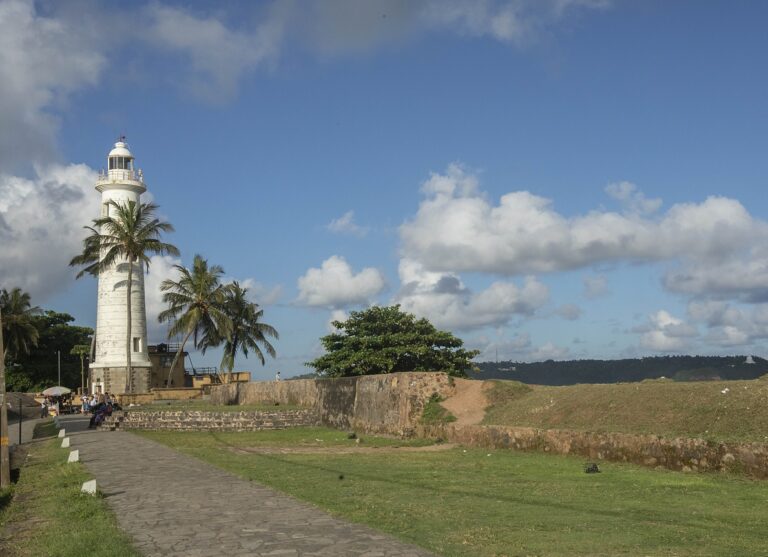
A historic lighthouse within Galle Fort, built in 1939, it overlooks the Indian Ocean and is renowned for its coastal views, palm-lined setting and beautiful sunsets.
A traditional Vesak decoration made from bamboo and colourful paper, symbolising light, wisdom and enlightenment.
A traditional hill-country practice where skilled teapluckers hand-harvest young leaves, sustaining the island’s tea heritage and world-renowned Ceylon Tea.
A traditional farming practice rooted in rural life, where rice cultivation sustains local communities and supports rich
biodiversity in paddy fields.

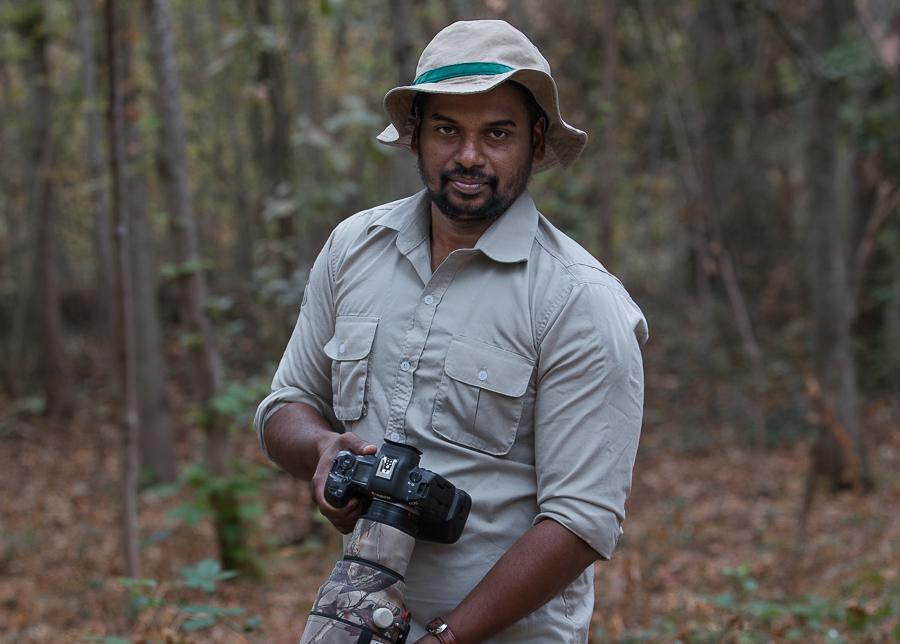
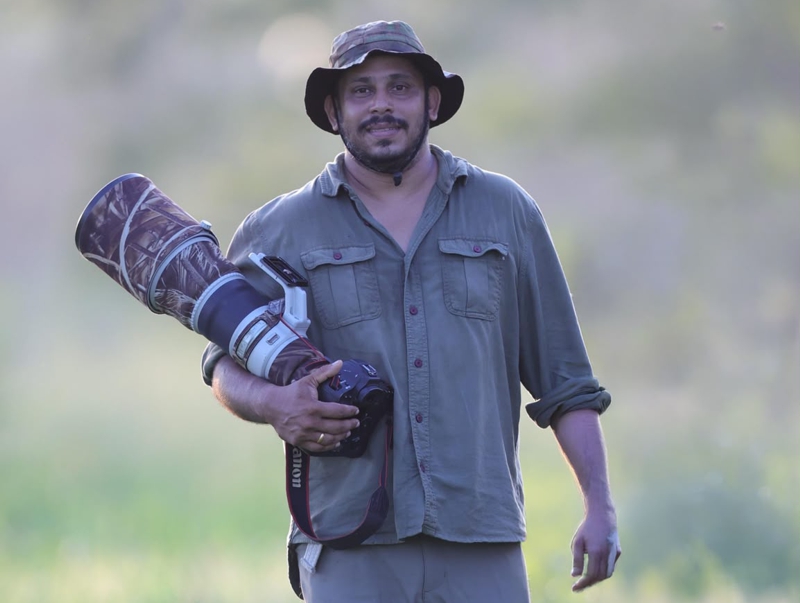
Founder, Researcher & Wildlife Guide
Wildlife Guide & Nature Photographer
Each stay is carefully selected to complement your journey, with an emphasis on comfort, quality and location. Accommodation is subject to availability, with suitable alternatives of a comparable standard arranged when necessary. Final details will be confirmed ahead of your journey.
Our expeditions welcome a minimum of 2 and a maximum of 10 guests.
For groups exceeding five participants, field activities, including safaris, may be arranged in smaller groups of no more than five guests, accompanied by dedicated tour leadership to ensure a personal and attentive experience.
Conservation is part of every expedition.
We believe the most meaningful journeys leave a positive legacy. Through responsible wildlife encounters,
respect for natural habitats and partnerships with local communities, we strive to protect what makes each destination extraordinary.
As Avian Atlas grows, we aim to dedicate a share of our resources to conservation and biodiversity, helping protect the natural world and the communities connected to it for generations to come.
14 Nights / 15 days
Sri Lanka's wildlife and its human history occupy the same landscape. Leopards, ancient temples, highland endemics, UNESCO rainforest, and a colonial fort where egrets fish in the moat.
All information about this tour
10 Free Places remaining on this Tour
","eventStatus":"https://schema.org/EventScheduled"}10augAll Day2415 Days Wildlife & Culture TourAugust 2027 Tour – 15 Days / 14 Nights
14 Nights / 15 days Sri Lanka’s wildlife and its human history occupy the same landscape. Leopards, ancient temples, highland endemics, UNESCO rainforest, and a
14 Nights / 15 days
Sri Lanka’s wildlife and its human history occupy the same landscape. Leopards, ancient temples, highland endemics, UNESCO rainforest, and a colonial fort where egrets fish in the moat.
All information about this tour
10 Free Places remaining on this Tour
10 august 2027 – 24 august 2027 (All Day)
You need more information about our 15 Days Wildlife Discovery Tours?
You could not find any date according to your timetable in our Calendar of Tours?