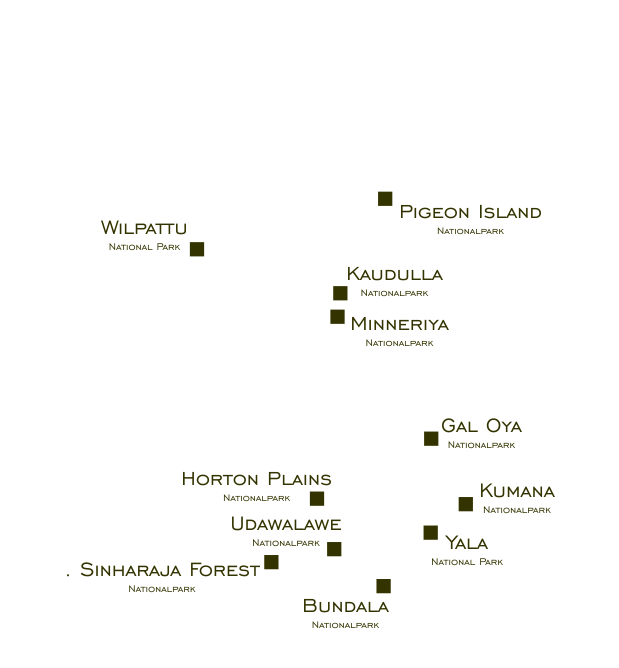
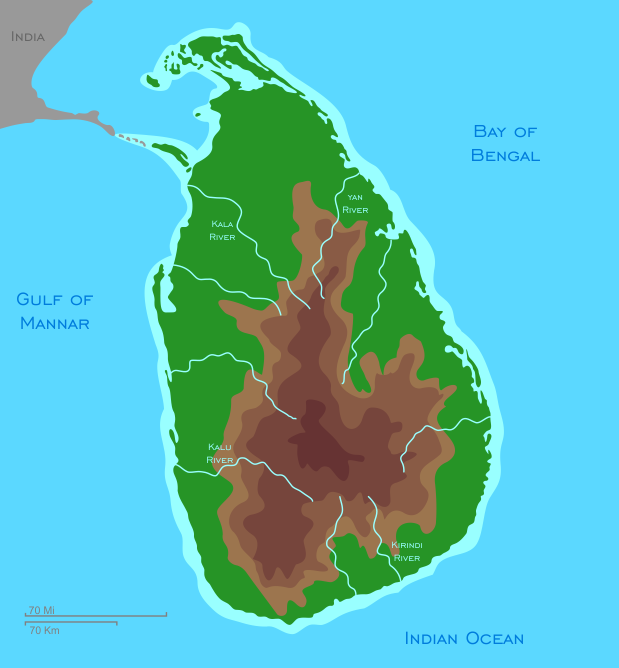
Sri Lanka - 15 Days - National parks and protected areas
15
Days
5.000€
per Person
10-12
Group Size
Low-Med
Fitness Abillity
24-32°
Teperature Range
Dec.-Mar.
Best Season
Sri Lanka compresses what other countries spread across thousands of kilometres. On this fifteen-day expedition you will move through five distinct ecosystems: dry-zone forest, northern wetlands, highland grassland, coastal scrub, and equatorial rainforest each with its own species, its own light, its own logic. Leopards at Wilpattu. Flamingos at Mannar. Elephant herds at Minneriya. Endemic birds in the Sinharaja understorey. This is the full ecological sweep of the island, led by guides who know where to look and what they're looking at.
WHAT TO EXPECT:
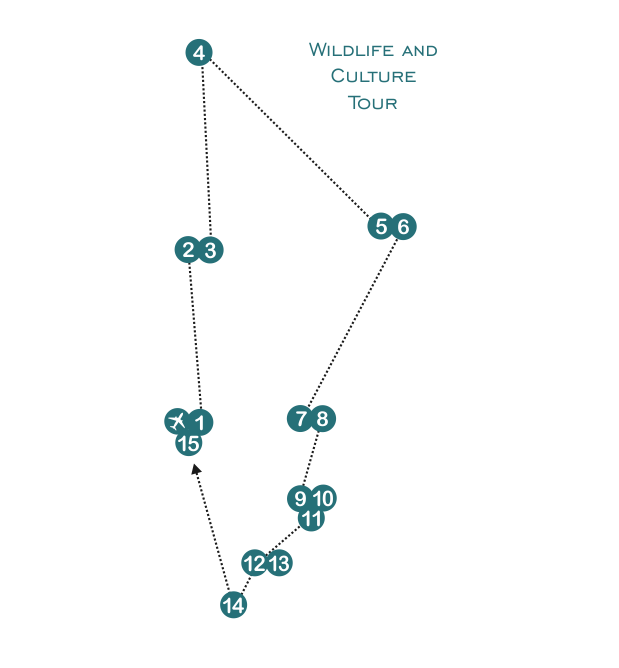
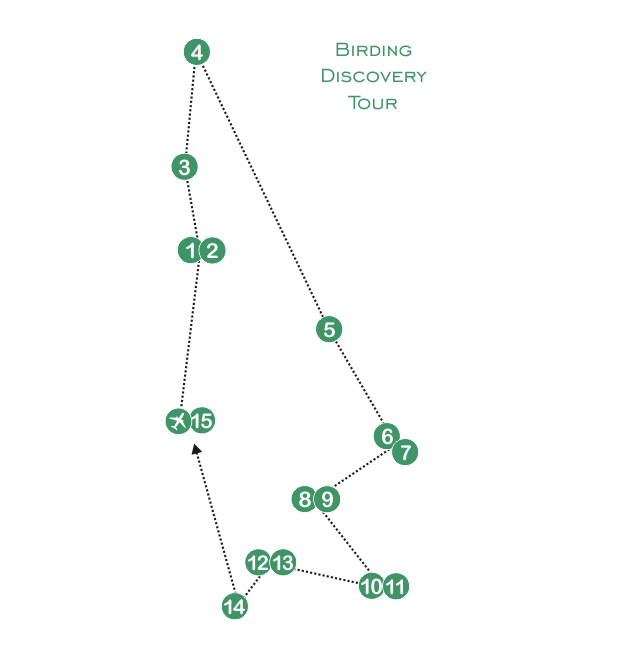
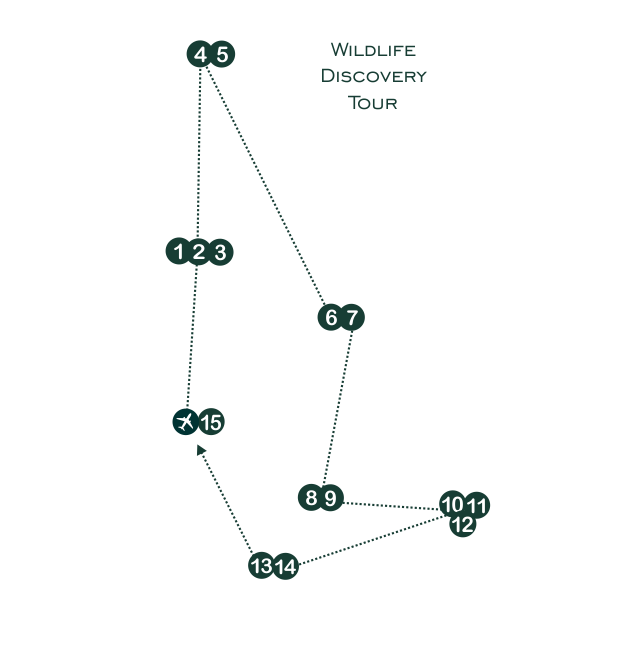
Meet the group at the agreed arrival point and travel north towards Wilpattu National Park. After arrival, enjoy your first Sri Lankan lunch before checking in and taking time to rest. In the evening, we will have dinner together, followed by a tour briefing covering the journey ahead.PERSONAL COMFORT:
A relaxed travel day with time to rest after arrival. Comfortable clothing and a light layer for the journey are recommended.TRAVEL:
Approximately 3.5 hours by road.STAY:
WilpattuWHAT TO EXPECT:
Two full days exploring Wilpattu National Park by 4WD safari jeep. Early morning and late-afternoon drives provide the best opportunities for wildlife activity, with the park's distinctive villus natural lakes and wetlands attracting wildlife and waterbirds.ANTICIPATED SPECIES:
ANTICIPATED SPECIES: Sri Lankan Leopard, Sri Lankan Sloth Bear, Asian Elephant, Spotted Deer, Sambar, Wild Buffalo, Wild Boar, and Mugger Crocodile. Bird highlights may include Sri Lanka Junglefowl, Sri Lanka Grey Hornbill, Sri Lanka Hanging Parrot, Malabar Pied Hornbill, and Crested Serpent Eagle. More than 200 bird species have been recorded in the park.PERSONAL COMFORT:
Safari by 4WD jeep with breaks between drives. Expect warm conditions, dust, and sun exposure. Light clothing, sun protection, and sufficient drinking water are recommended.STAY:
WilpattuWHAT TO EXPECT:
Travel north from Wilpattu to Jaffna. After lunch and check-in, take some time to rest before an evening birding session around Jaffna’s wetlands, lagoons, and coastal habitats. Day 5 will be dedicated to exploring the region’s diverse wetlands and mangrove forests, with a focus on resident and seasonal migrant birds.ANTICIPATED SPECIES:
Depending on the season, possible sightings include flamingos, sandpipers, plovers, herons, egrets, terns, and other wetland and coastal species. Brahminy Kite and other raptors may also be encountered.PERSONAL COMFORT:
Day 4 combines a moderate road journey with relaxed evening birding. Day 5 offers easy-paced exploration with minimal walking. Expect warm, sunny conditions; light clothing, sun protection, and adequate hydration are recommended.TRAVEL:
Approximately 4.5 hours by road.STAY:
JaffnaWHAT TO EXPECT:
Travel from Jaffna to Habarana on Day 6. After lunch and check-in, enjoy an evening safari at Minneriya or Kaudulla National Park, depending on current elephant movements and conditions. Day 7 is dedicated to a full day of safari, with morning and afternoon sessions exploring the park’s forests, grasslands, wetlands, and reservoirs, offering excellent opportunities to observe elephants and a diverse range of birdlife.ANTICIPATED SPECIES:
Sri Lankan Elephant, Spotted Deer, Wild Water Buffalo, Grey Langur, Mugger Crocodile, and a variety of wetland and woodland birds. Possible sightings include Painted Stork, Asian Openbill, Grey-headed Fish Eagle, Brahminy Kite, and other resident and migratory species.PERSONAL COMFORT:
Day 6 combines a moderate road journey with an evening safari, while Day 7 is dedicated entirely to wildlife and birding. A break during the warmer part of the day allows time to rest. Sun protection, comfortable clothing, and adequate hydration are recommended.TRAVEL:
Approximately 4.5 hours by road.STAY:
HabaranaWHAT TO EXPECT:
Travel to the central highlands and explore the scenic landscapes of Horton Plains National Park through guided walks along its well-defined trails. The trek takes you through open montane grasslands, misty cloud forests, and unique high-elevation ecosystems, with opportunities to observe endemic wildlife and highland birds.ANTICIPATED SPECIES:
Sri Lankan Leopard and Sambar Deer (Rusa unicolor), along with wetland and montane birds. Highlights include the endemic Sri Lanka Whistling Thrush, Sri Lanka Bush Warbler, and other highland specialists.PERSONAL COMFORT:
Moderate trekking on well-marked trails at higher elevations. Cool and windy conditions are common, so layered clothing and comfortable walking shoes are recommended. Basic toilet facilities are available at the entrance and within the park.TRAVEL:
Approximately 5.5 hours by road.STAY:
Horton PlainsWHAT TO EXPECT:
Begin Day 10 with an early-morning safari and birding session at Horton Plains, before travelling to Kumana. After check-in, enjoy a relaxed evening to rest and prepare for two full days of 4WD safaris. Days 11 and 12 focus on exploring Kumana’s lagoons, wetlands, scrub forests, and coastal habitats while tracking wildlife and observing its rich birdlife.ANTICIPATED SPECIES:
The Sri Lankan Leopard (Panthera pardus kotiya) is a key focus, alongside Sloth Bear, Asian Elephant, Mugger Crocodile, and a rich variety of birds including pelicans, Painted Storks, waterbirds, and raptors.PERSONAL COMFORT:
Day 10 combines an early start, highland birding, and a longer road journey, followed by a relaxed evening. Days 11 and 12 involve extended 4WD safaris with minimal walking. Conditions are generally hot, dry, and dusty, so light clothing, sun protection, and adequate hydration are essential. Patience and quiet observation are an important part of wildlife tracking.TRAVEL:
Approximately 5 hours by road.STAY:
KumanaWHAT TO EXPECT:
Begin Day 13 with an early-morning journey from Kumana to Sinharaja, taking approximately 5–6 hours by road. After arrival and check-in, enjoy an afternoon birding session or relaxed rainforest exploration. Day 14 is dedicated to full-day birding in Sinharaja, exploring shaded forest trails and searching for endemic birds and mixed-species flocks. After birding, travel to Galle for approximately 2–3 hours, followed by a relaxed evening and farewell gathering.ANTICIPATED SPECIES:
Sri Lanka Blue Magpie, Red-faced Malkoha, Sri Lanka Spurfowl, Ashy-headed Laughingthrush, and other endemic forest birds. Mixed-species flocks, amphibians, butterflies, and occasional mammals such as Purple-faced Langur may also be observed.PERSONAL COMFORT:
Moderate walking on humid rainforest trails. Occasional leeches are possible; light, long-sleeved clothing is recommended, and leech socks will be provided.TRAVEL:
Approximately 8 hours by road on Day 13 and 2.5 hours on Day 14.STAY:
Day 13 in Sinharaja | Day 14 in GalleWHAT TO EXPECT:
Enjoy a relaxed final morning in Galle before your comfortable transfer to the airport for your onward journey home.PERSONAL COMFORT:
A leisurely morning with minimal activity, followed by a smooth airport transfer. Travel times will depend on your departure flight and airport.
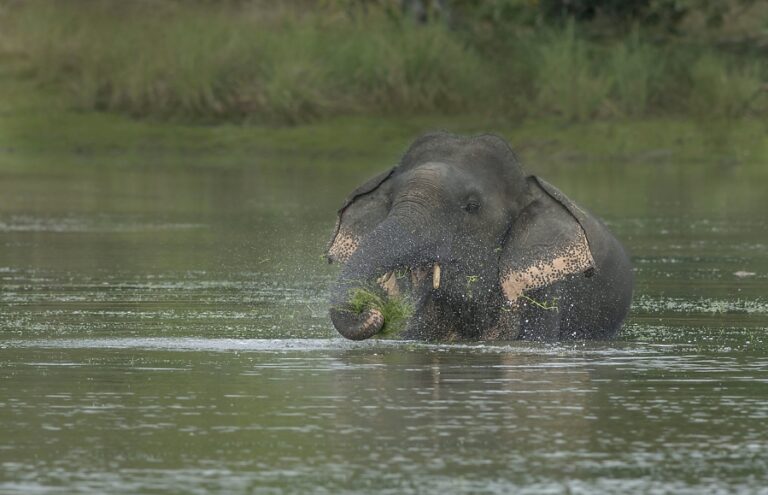
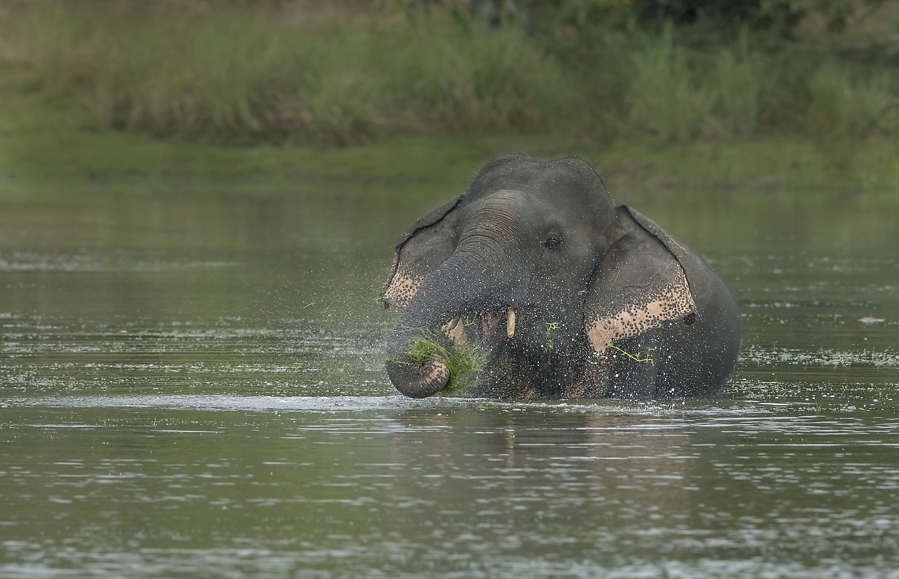
The Sri Lankan Elephant is the largest land mammal in Sri Lanka.
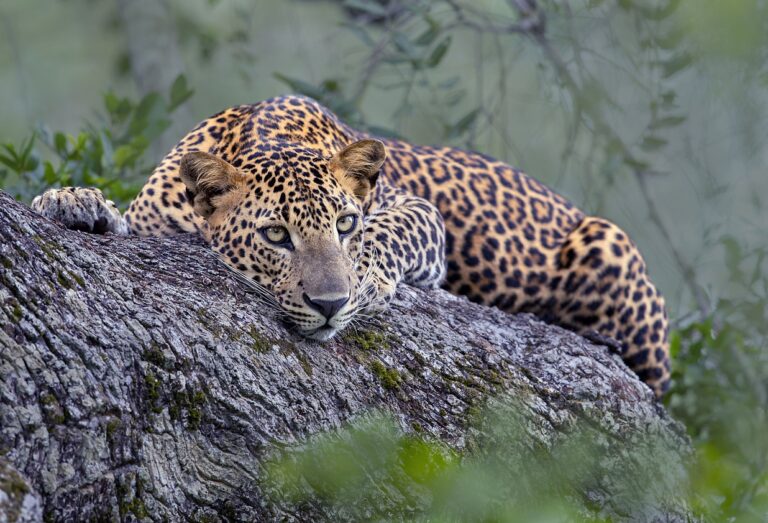
Sri Lankan leopard is the island’s largest terrestrial predator.
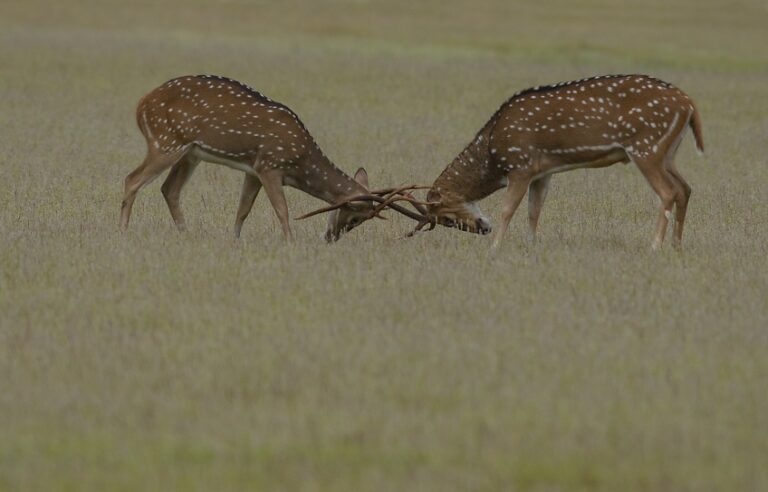
Spotted deer is a common deer species found in Sri Lanka.
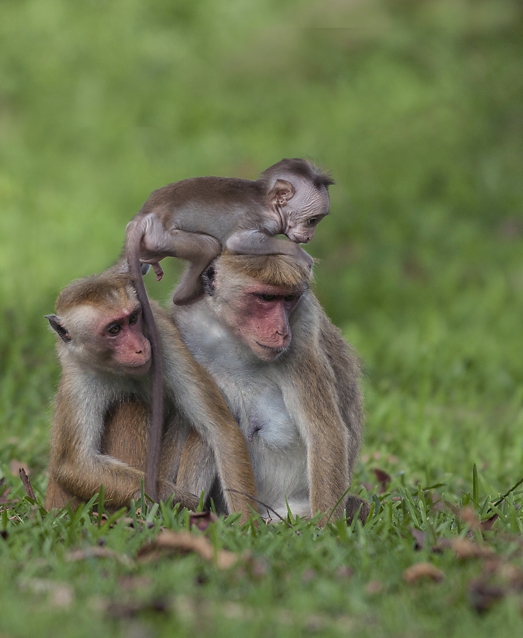
Toque Macaque is an endemic monkey found only in Sri Lanka.
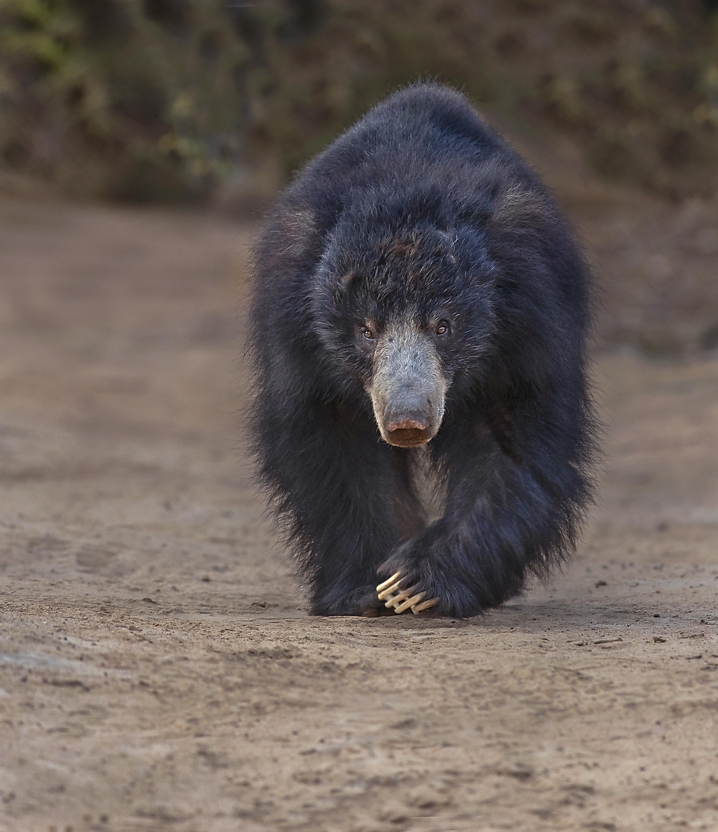
Sri Lankan sloth bear is a Sri Lankan endemic subspecies of slothbear.
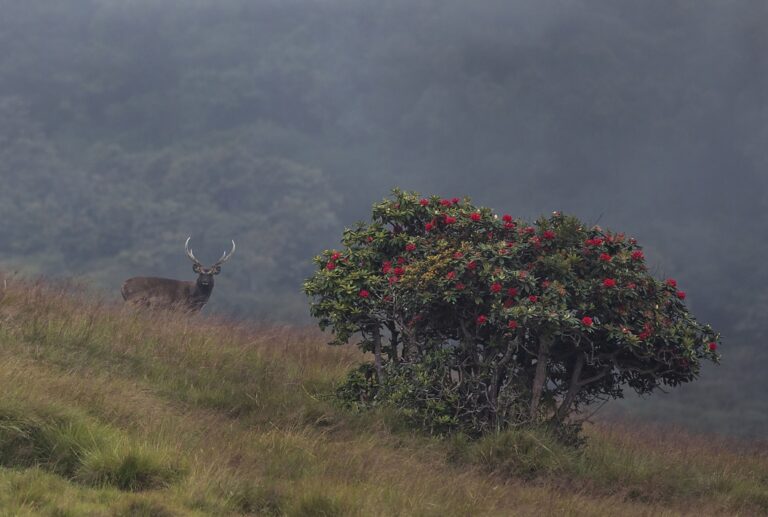
Sambar deer is the largest deer species in Sri Lanka and widely distributed across the island.
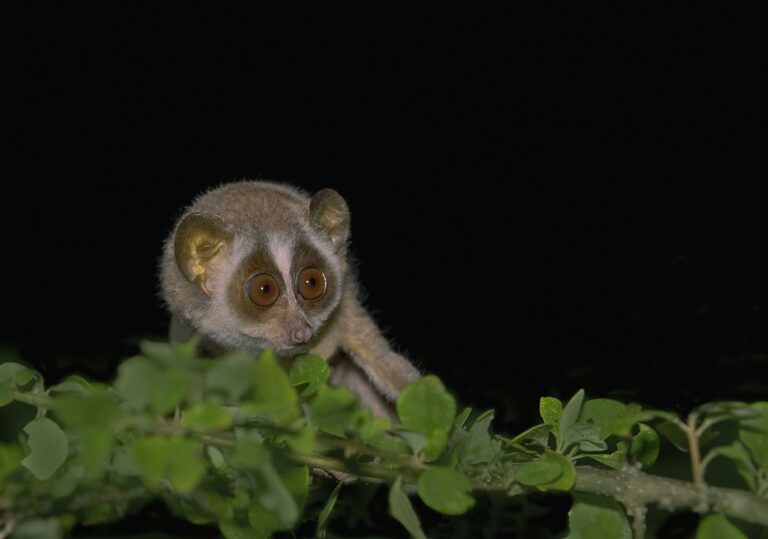
The Gray Slender Loris is a small, nocturnalprimate found in Sri Lanka.
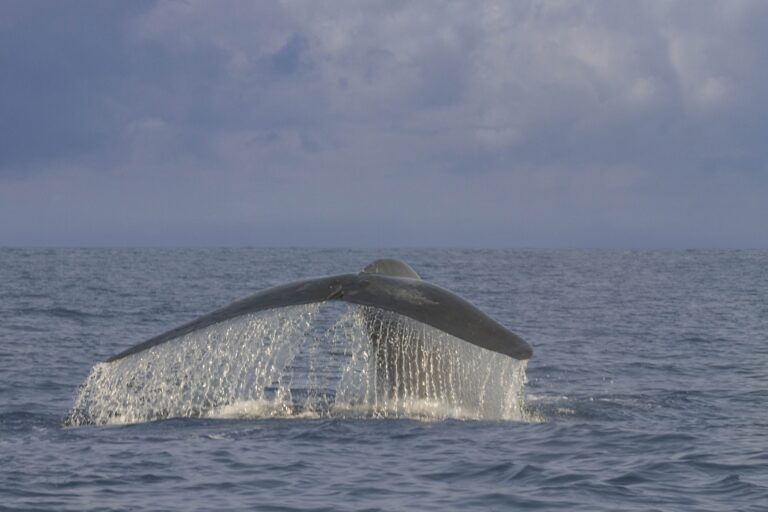
Blue whale is the largest animal on Earth, found in deep oceanwaters and offshore habitats.
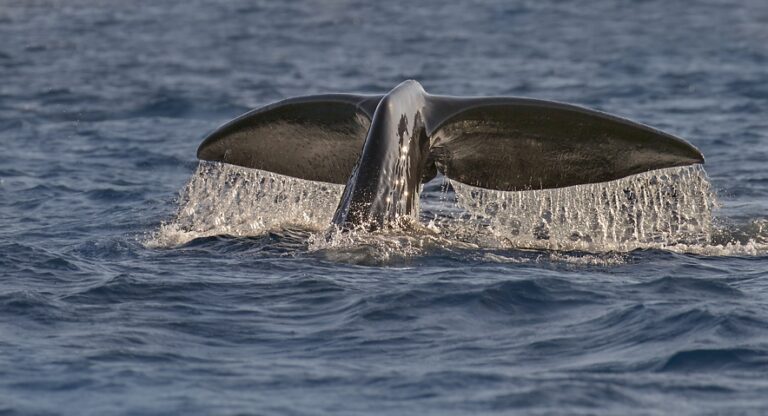
Sperm whale is inhabiting deep offshore waters and the open ocean.
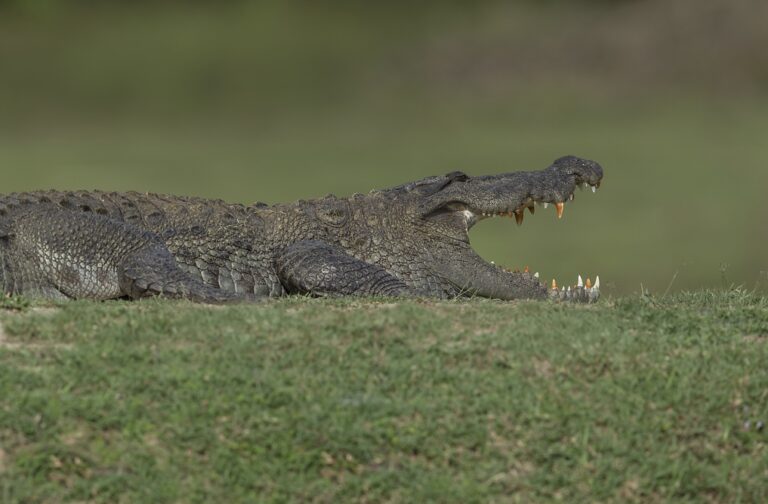
Mugger crocodile is a large freshwater
crocodile native to South Asia.
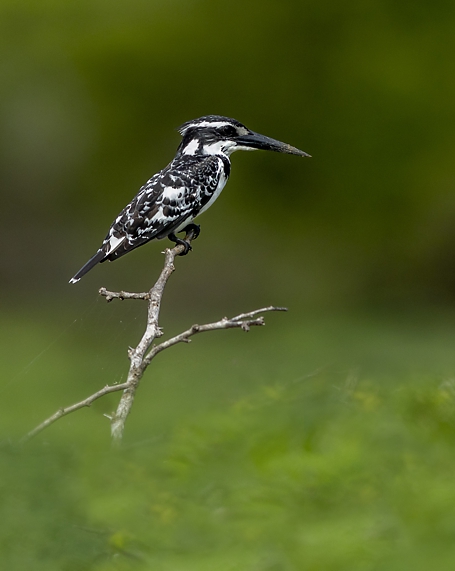
Pied kingfisher is a medium-sized black-and-white kingfisher found around Sri Lanka.
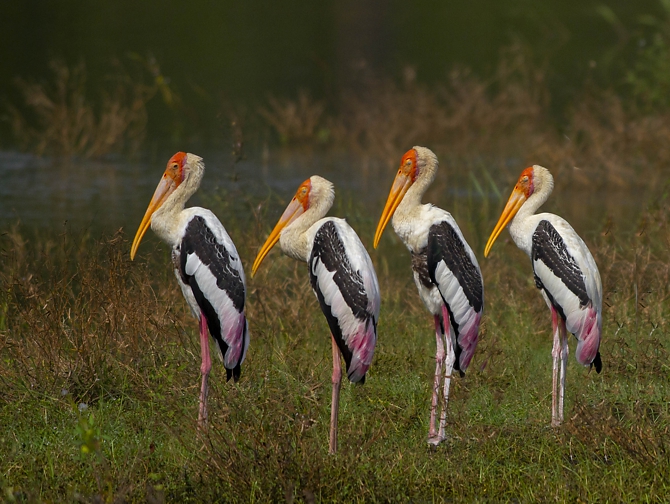
Painted stork is a large wading bird and a resident species in Sri Lanka.
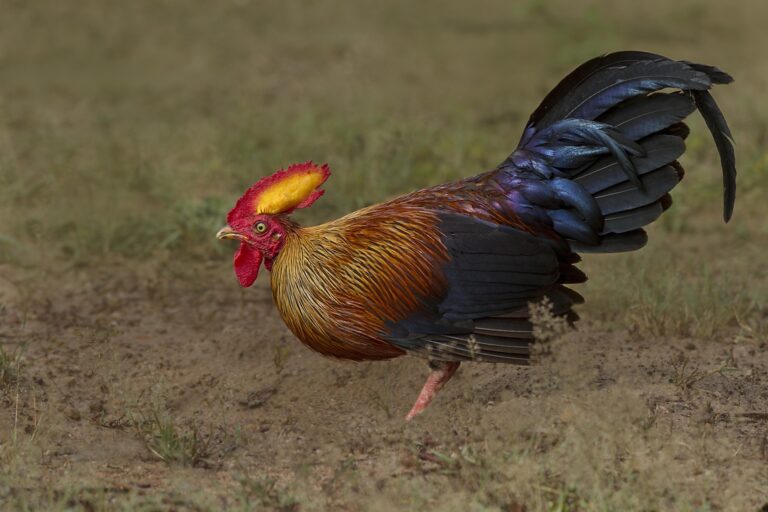
Sri Lankan junglefowl is a Sri Lankan endemic bird and the nationalbird of Sri Lanka.
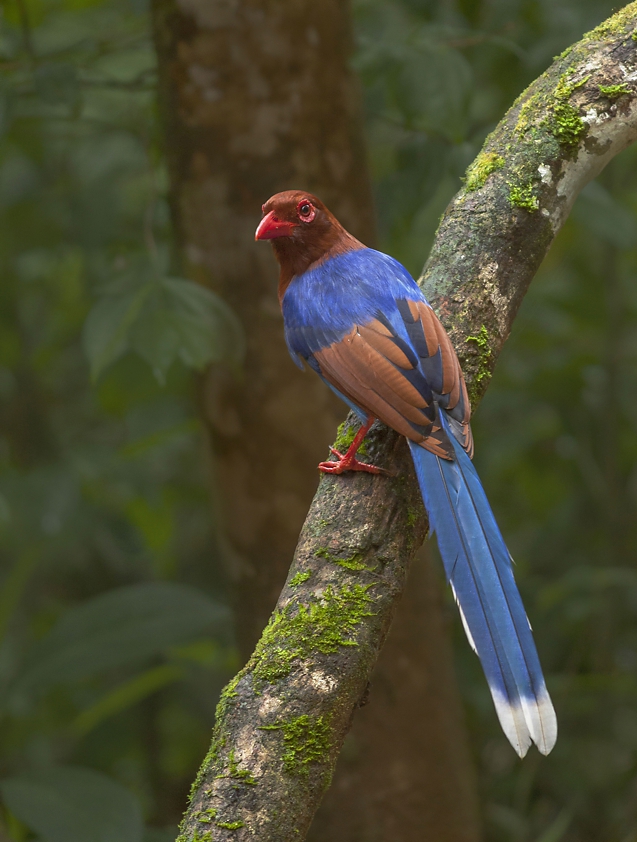
Sri Lanka blue magpie is a
Sri Lankan endemic bird.
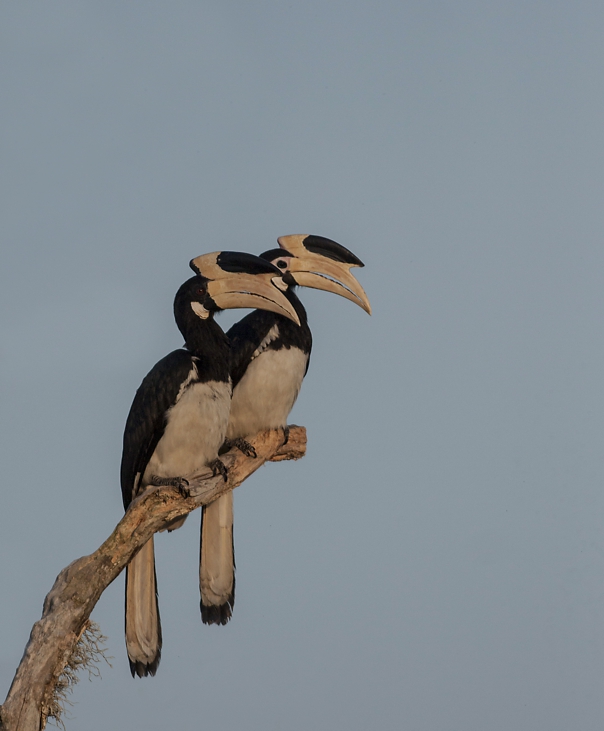
The Sri Lankan Grey Hornbill is a mediumsized, endemic bird found only in Sri Lanka.

3 Nights
Lorem ipsum dolor sit amet,
consetetur sadipscing elitr
3 Nights
Lorem ipsum dolor sit amet,
consetetur sadipscing elitr
3 Nights
Lorem ipsum dolor sit amet,
consetetur sadipscing elitr
Conservation is not an optional addition to an Avian Atlas journey.
It is part of how we believe wildlife tourism should operate.
We are committed to working with local guides, communities and conservation-minded partners
whose livelihoods are connected to the protection of natural landscapes and wildlife.
We aim to keep wildlife encounters responsible:
maintaining appropriate distances, avoiding disturbance, respecting park
regulations and never prioritising a photograph over the welfare of an animal.
We also believe that tourism should create value for the people who live alongside these ecosystems.
Wherever possible, we favour locally owned services and local expertise so that more of the value generated by travel
remains within the communities and destinations we visit.
As Avian Atlas grows, we intend to dedicate a defined share of our resources to conservation
and biodiversity initiatives in the landscapes where we operate.
14 Nights / 15 days
Five ecosystems. Leopards at Wilpattu, elephant herds at Minneriya, endemic birds in the Sinharaja understorey. The full sweep of the island.
","eventStatus":"https://schema.org/EventScheduled"}03sep(sep 3)13h3518(sep 18)23h59Wildlife Discovery Tour 2027May 2027 Tour – 15 Days / 14 Nights
14 Nights / 15 days Five ecosystems. Leopards at Wilpattu, elephant herds at Minneriya, endemic birds in the Sinharaja understorey. The full sweep of the
14 Nights / 15 days
Five ecosystems. Leopards at Wilpattu, elephant herds at Minneriya, endemic birds in the Sinharaja understorey. The full sweep of the island.
3 september 2027 13h35 – 18 september 2027 23h59
You need more information about our 15 Days Wildlife Discovery Tours?
You could not find any date according to your timetable in our Calendar of Tours?