Birding Discovery Tour

10 Days Birding Discovery Tour

Sri Lanka - 10 Days - Wetlands & Forests - National Parks

10

Days

4.500€

per Person

10-12

Group Size

Low-Med

Fitness Abillity

24-32°

Teperature Range

Dec.-Mar.

Best Season

This 10-day journey is designed specifically around Sri Lanka’s endemic birdlife, visiting four of the island’s most rewarding birding destinations: Kitulgala, Nilgala, Horton Plains, and Sinharaja. From the dry-zone forests and montane grasslands to the island’s ancient rainforests, each habitat offers opportunities to encounter a different range of endemic species. Carefully paced and guided by experienced local birders, the journey focuses on finding Sri Lanka’s most sought-after endemic birds while experiencing the landscapes they call home.
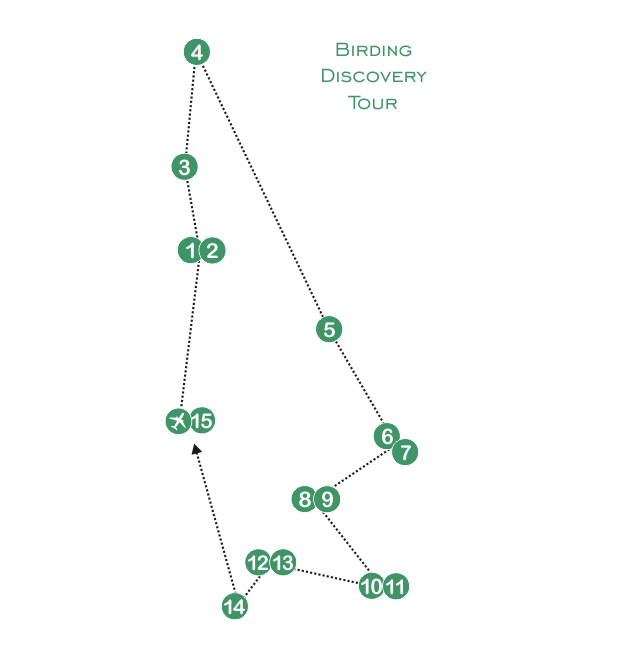
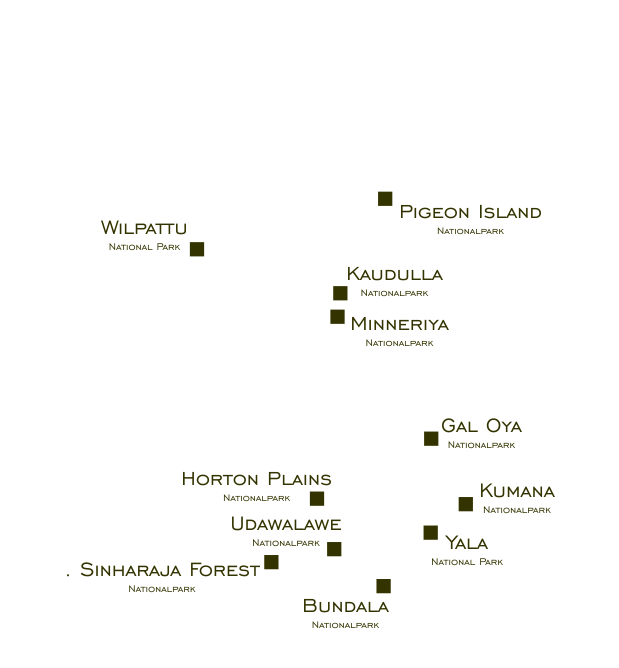
Itinerary of the Tour

TRAVEL TO KITULGALA

WHAT TO EXPECT:

Meet the group at the agreed arrival point and travel north towards. Kitulgala: After arrival, enjoy your first Sri Lankan lunch before checking in and taking time to rest. In the evening, we will have dinner together, followed by a tour briefing covering the journey ahead.

PERSONAL COMFORT:

A relaxed travel day with time to rest after arrival. Comfortable clothing and a light layer for the journey are recommended.

TRAVEL:

Approximately 2.5 hours by road.

STAY:

Wilpattu (not KITULGALA?)
LOWLAND RAINFOREST ENDEMICS

WHAT TO EXPECT:

Begin with an early morning birding session in the Kitulgala rainforest, exploring the trails and forest edges around Makandawa Forest Reserve. Continue birding through the morning before a midday break, followed by a late-afternoon session targeting endemic species and mixed-species feeding flocks.

ANTICIPATED SPECIES:

Possible sightings include Sri Lanka Spurfowl, Sri Lanka Junglefowl, Sri Lanka Green Pigeon, Sri Lanka Grey Hornbill, Sri Lanka Hanging Parrot, Sri Lanka Small Barbet, Red-faced Malkoha, Sri Lanka Blue Magpie, Sri Lanka Scimitar Babbler, and other endemic rainforest species.

PERSONAL COMFORT:

PERSONAL COMFORT: Moderate walking on forest trails, which may be muddy or slippery. Warm and humid conditions are expected. Comfortable walking shoes, light clothing, insect protection, sun protection, and adequate water are recommended.

TRAVEL:

Local transfers within Kitulgala.

STAY:

Kitulgala

WHAT TO EXPECT:

After breakfast on Day 3, travel from Kitulgala to Nilgala, transitioning from lush lowland rainforest to Sri Lanka's dry-zone forests and open woodland. After check-in, enjoy an evening birding session around Nilgala before dusk. On Day 4, spend the full day birding in Nilgala, exploring dry forest, scrub, woodland edges, and surrounding habitats, with morning and late-afternoon sessions for the best bird activity.

ANTICIPATED SPECIES:

Possible sightings include Sri Lanka Junglefowl, Sri Lanka Green Pigeon, Sri Lanka Grey Hornbill, Sri Lanka Hanging Parrot, Sri Lanka Small Barbet, along with other endemic dry-zone and woodland birds, raptors, and resident species.

PERSONAL COMFORT:

Moderate walking on forest tracks and uneven terrain. Conditions can be warm and dry, particularly around midday. Comfortable walking shoes, light clothing, sun protection, insect repellent, and sufficient drinking water are recommended.

TRAVEL:

Approximately 5–6 hours by road from Kitulgala to Nilgala on Day 3.

STAY:

Nilgala

WHAT TO EXPECT:

On Day 5, depart Nilgala and travel towards Horton Plains via Nuwara Eliya, with the landscape gradually changing from dry-zone forest to the cool, misty highlands. Enjoy birding opportunities along the route and around Nuwara Eliya before continuing to Horton Plains. After check-in, the evening is kept relaxed to rest and prepare for the following day's early start. On Day 6, spend a full day birding in Horton Plains, exploring montane forest, grasslands, and cloud-forest habitats during morning and late-afternoon sessions.

ANTICIPATED SPECIES:

The highlands provide opportunities to search for Sri Lanka Whistling Thrush, Sri Lanka Wood Pigeon, Sri Lanka Bush Warbler, Sri Lanka White-eye, Sri Lanka Scimitar Babbler, and other montane and endemic forest species. The surrounding Nuwara Eliya area may also produce additional highland birds and species associated with gardens and open habitats.

PERSONAL COMFORT:

Day 5 involves a long road journey, while Day 6 includes moderate walking on forest trails and uneven terrain. Horton Plains can be cool, misty, and windy, particularly in the early morning, so warm layers, waterproof clothing, sturdy walking shoes, and adequate water are recommended.

TRAVEL:

Approximately 4.5 hours by road from Nilgala to Horton Plains via Nuwara Eliya, depending on stops and road conditions.

STAY:

Horton Plains

WHAT TO EXPECT:

On Day 7, enjoy a final morning birding session in Horton Plains before travelling to Sinharaja Forest Reserve, a UNESCO World Heritage Site and one of Sri Lanka's most important rainforest ecosystems. After arrival and check-in, enjoy an evening birding session around the rainforest. Days 8 and 9 are dedicated to full-day birding, exploring forest trails during morning and late-afternoon sessions in search of endemic species and mixed-species flocks.

ANTICIPATED SPECIES:

Sinharaja offers exceptional opportunities to encounter Sri Lanka's endemic rainforest birds. Key possibilities include Sri Lanka Blue Magpie, Red-faced Malkoha, Sri Lanka Spurfowl, Ashy-headed Laughingthrush, Sri Lanka Hanging Parrot, Sri Lanka Grey Hornbill, and other endemic species. Mixed-species feeding flocks are a major highlight, while Purple-faced Langur, butterflies, amphibians, and other rainforest wildlife may also be encountered.

PERSONAL COMFORT:

Day 7 combines morning birding with a longer journey from the highlands to the rainforest. Days 8 and 9 involve extended walking on humid forest trails, which can be uneven, muddy, and occasionally slippery. Leeches may be present. Lightweight, long-sleeved clothing, comfortable walking shoes, insect protection, and adequate hydration are recommended. Leech socks will be provided.

TRAVEL:

Approximately 5 hours by road from Horton Plains to Sinharaja, depending on the route and road conditions.

STAY:

Sinharaja

FAREWELL:

Conclude the journey after the final evening birding session with a relaxed farewell gathering, reflecting on the highlights and memorable endemic bird encounters of the tour.

WHAT TO EXPECT:

Enjoy a relaxed final morning in Galle before your comfortable transfer to the airport for your onward journey home.

PERSONAL COMFORT:

A leisurely morning with minimal activity, followed by a smooth airport transfer. Travel times will depend on your departure flight and airport.

Target Species (Select only endemic birds for 10 Days Tour.)

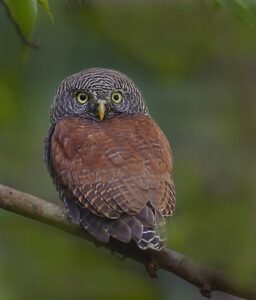
Chestnut-Backed Owlet

Glaucidium brasilianum

Chestnut-backed owlet is a Sri Lankan endemic owl found in lowland rainforests, evergreen forests, and dense forest edges.
It is a small, nocturnal predator that feeds on insects, small reptil
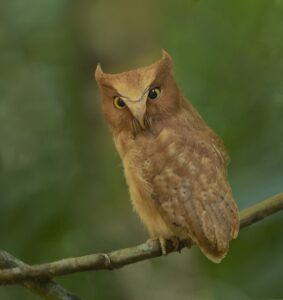
Serendib
Scops Owl

Otus thilohoffmanni

Serendib scops owl is a Sri Lankan endemic owl found in lowland rainforests and dense evergreen forests. It is a rare, nocturnal species that feeds mainly on insects and other small invertebratesand is usually found in dense forest undergrowth.
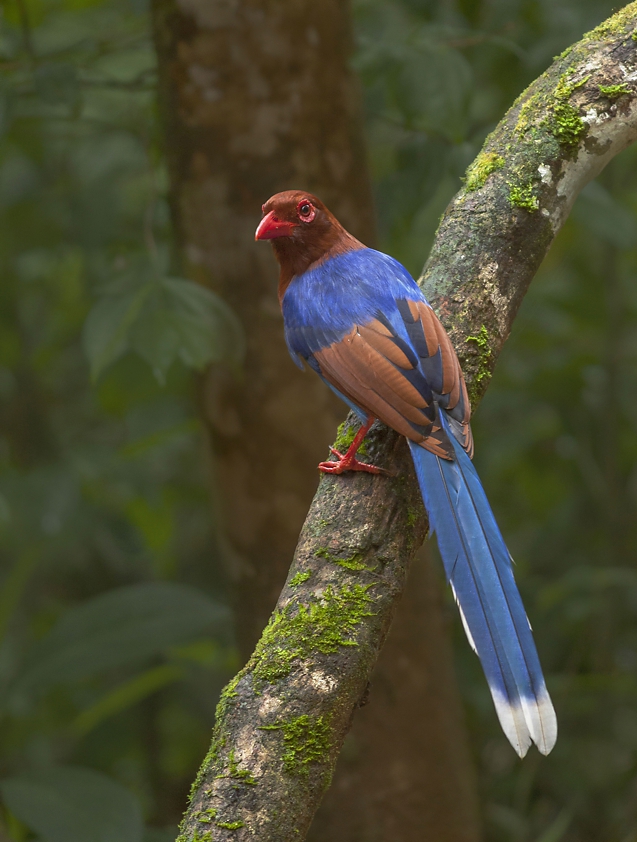
Sri Lankan
Blue Magpie

Urocissa ornata

Sri Lanka blue magpie is a Sri Lankan endemic bird found in lowlandand montane rainforests, dense evergreen forests, and forest edges. It feeds on insects, small reptiles, fruits, and seeds and is easily recognized by its brilliant blue plumage, chestnut head, and long bluetail.
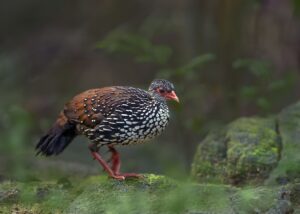
Sri Lankan
Spurfowl

Galloperdix bicalcarata

Sri Lanka spurfowl is a Sri Lankan endemic bird found in lowland andmontane forests, dense undergrowth, and forest edges. It is a shy, ground-dwelling species that feeds on seeds, fruits, insects, andother small invertebrates.
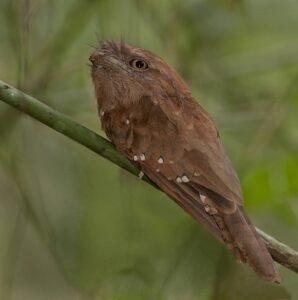
Sri Lankan
Frogmouth

Batrachostomus moniliger

Sri Lanka frogmouth is a nocturnal bird found in lowland rainforests, evergreen forests, and dense forest undergrowth. In Sri Lanka, it occurs mainly in the wet-zone forests, where it feeds on insects and other small invertebrates, relying on its excellent camouflage while roosting during the day.
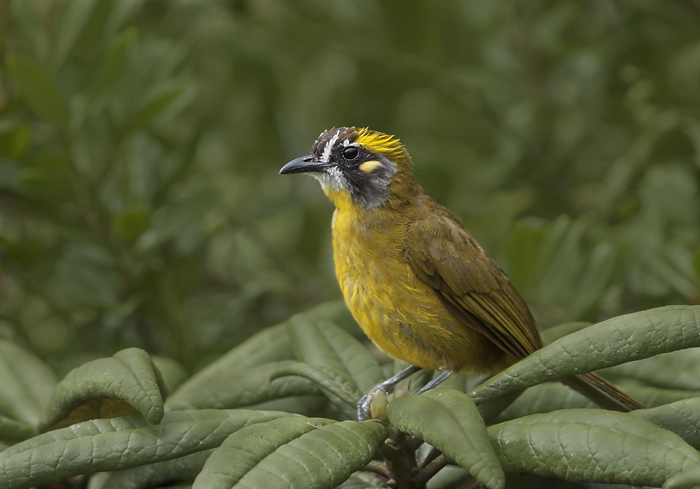
Yellow-Eared
Bulbul

Pycnonotus penicillatus

Yellow-eared bulbul is a small endemic bird of Sri Lanka found mainly in the central highlands. It inhabits montane forests, cloudforests, and forest edges, especially around areas such as Horton Plains National Park, Hakgala Botanical Garden, and the Peak Wilderness region. It feeds on fruits, berries, and insects and is recognized by its yellow ear patch and olive-brown plumage.
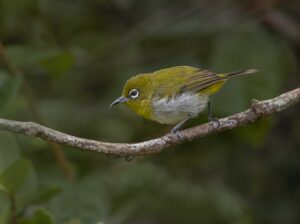
Sri Lankan
White-Eye

Zosterops ceylonensis

Sri Lanka white-eye is a small songbird endemic to Sri Lanka. It is mainly found in the central highlands, inhabiting montane forests, forest edges, and gardens at higher elevations, including areas suchas Horton Plains National Park and Hakgala Botanical Garden. It feeds on insects, nectar, and fruits and is easily recognized by its distinctive white eye-ring and olive-green plumage.
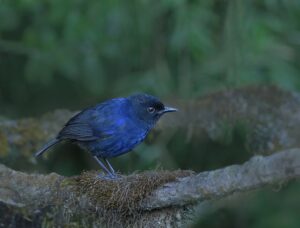
Sri Lankan
Whistling Thrush

Myophonus blighi

Sri Lanka whistling thrush is a Sri Lankan endemic bird found mainly in montane forests, cloud forests, and streams of the central highlands. It prefers cool, shaded habitats near water, where it feeds on insects, small invertebrates, and occasionally small aquatic prey
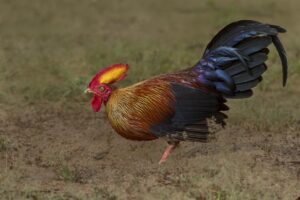
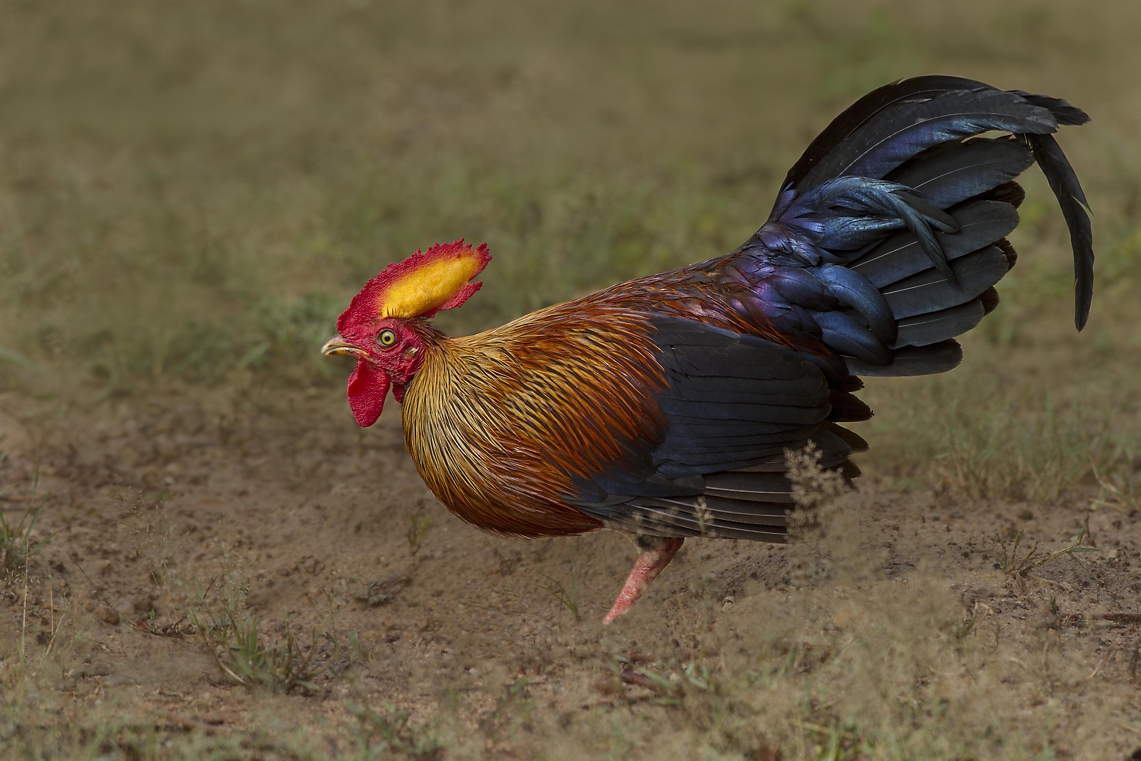
Sri Lankan Junglefowl

Gallus lafayettii

Sri Lankan junglefowl is a Sri Lankan endemic bird and the nationalbird of Sri Lanka. It is found in a variety of habitats, including dryzoneforests, wet-zone rainforests, scrublands, and forest edges. It feeds on seeds, grains, fruits, insects, and small invertebrates, and is often seen foraging on the forest floor.
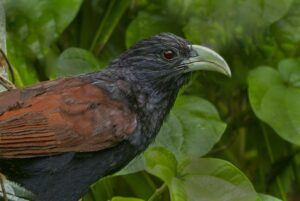
Green-Billed
Coucal

Centropus chlororhynchos

Green-billed coucal is a Sri Lankan endemic bird found in lowland rainforests, evergreen forests, and dense forest undergrowth. It is a secretive species that feeds on insects, snails, lizards, frogs, and other small animals while foraging close to the ground.
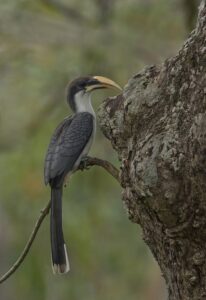
Sri Lanka
Grey Hornbill

Ocyceros gingalensis

The Sri Lankan Grey Hornbill is a medium sized, endemic bird found only in Sri Lanka. It inhabits forests and wooded areas, feeding mainly on fruits, especially figs, and plays an important role in seed dispersal across its habitat.

What´s included and what´s not included

Accommodation Overview

Eco-Lodge

3 Nights

Lorem ipsum dolor sit amet,
consetetur sadipscing elitr
Eco-Lodge

3 Nights

Lorem ipsum dolor sit amet,
consetetur sadipscing elitr

Eco-Lodge

3 Nights

Lorem ipsum dolor sit amet,
consetetur sadipscing elitr

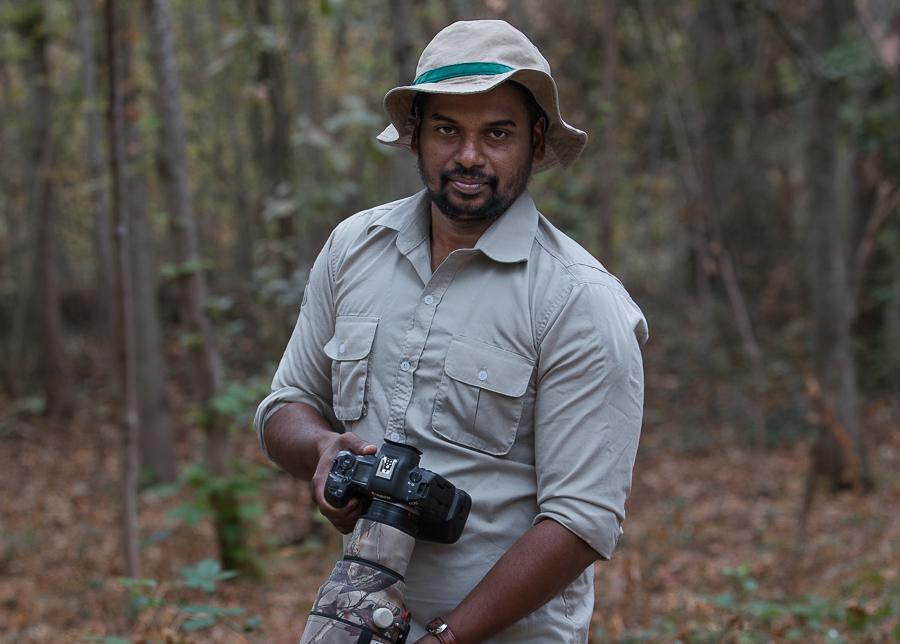
Your Tourguide

Nitharsan ALOYSIUS

Founder & Wildlife Guide

Conservation commitment

Conservation is not an optional addition to an Avian Atlas journey.
It is part of how we believe wildlife tourism should operate.

We are committed to working with local guides, communities and conservation-minded partners
whose livelihoods are connected to the protection of natural landscapes and wildlife.

We aim to keep wildlife encounters responsible:
maintaining appropriate distances, avoiding disturbance, respecting park
regulations and never prioritising a photograph over the welfare of an animal.

We also believe that tourism should create value for the people who live alongside these ecosystems.
Wherever possible, we favour locally owned services and local expertise so that more of the value generated by travel
remains within the communities and destinations we visit.

As Avian Atlas grows, we intend to dedicate a defined share of our resources to conservation
and biodiversity initiatives in the landscapes where we operate.

Calendar of planed Birding Discovery Tours

03aprAll Day13Birding Discovery Tour – 10 Days10 Days Tour – April 2027

Ready to plan your expedition?

You need more information about our 10 Days Birding Discovery Tours?
You could not find any date according to your timetable in our Calendar of Tours?

Avian Atlas

Explore Experience Connect
Wildlife expeditions in Sri Lanka.

Contact us

© 2026 Draft for Avian Atlas Expeditions
Politique de confidentialité

error: Content is protected !!