Wildlife Discovery Tour

10 Days Wildlife Discovery Tour

Sri Lanka - 10 Days - National parks and protected areas

10

Days

4.500€

per Person

10-12

Group Size

Low-Med

Fitness Abillity

24-32°

Teperature Range

Dec.-Mar.

Best Season

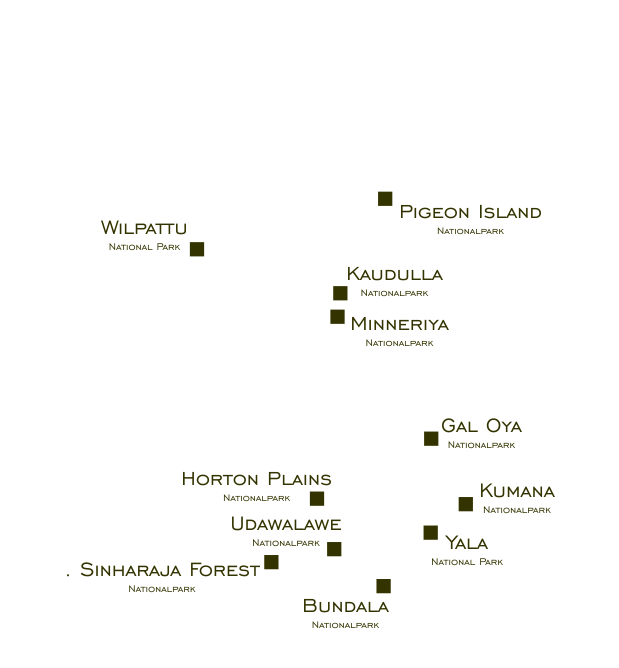
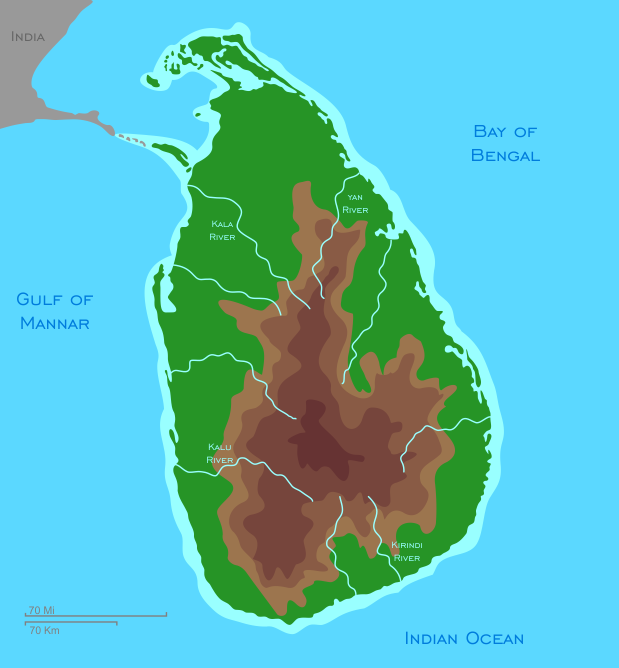
Ten days is enough to see Sri Lanka properly — if the itinerary is built around the right places at the right time. This expedition moves through four of the island's most rewarding ecosystems: the leopard and elephant country of Wilpattu, the mist-covered highland grasslands of Horton Plains, the dense leopard population of Kumana, and the endemic-rich understorey of Sinharaja rainforest. Focused, unhurried, and led by guides with deep field knowledge of each location.
Itinerary of the Tour

WHAT TO EXPECT:

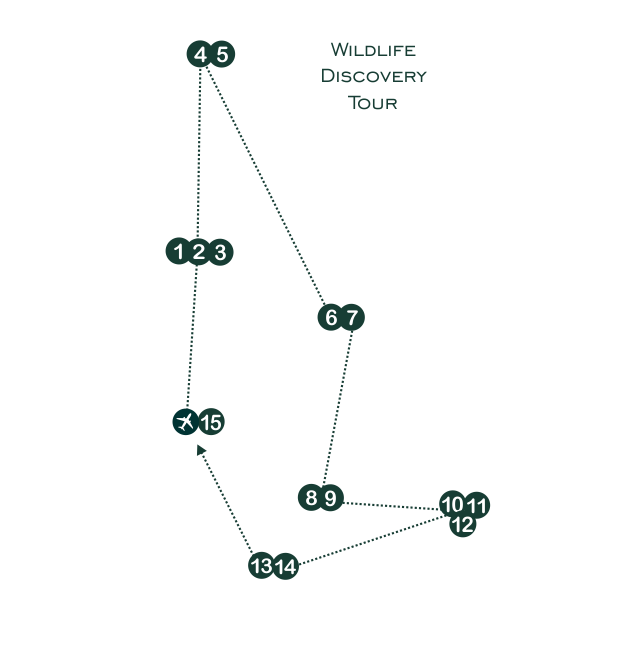
Meet the group at the agreed arrival point and travel north towards Wilpattu National Park. After arrival, enjoy your first Sri Lankan lunch before checking in and taking time to rest. In the evening, we will have dinner together, followed by a tour briefing covering the journey ahead.

PERSONAL COMFORT:

A relaxed travel day with time to rest after arrival. Comfortable clothing and a light layer for the journey are recommended.

TRAVEL:

Approximately 3.5 hours by road.

STAY:

Wilpattu

WHAT TO EXPECT:

Two full days exploring Wilpattu National Park by 4WD safari jeep. Early morning and late-afternoon drives provide the best opportunities for wildlife activity, with the park's distinctive villus natural lakes and wetlands attracting wildlife and waterbirds.

ANTICIPATED SPECIES:

ANTICIPATED SPECIES: Sri Lankan Leopard, Sri Lankan Sloth Bear, Asian Elephant, Spotted Deer, Sambar, Wild Buffalo, Wild Boar, and Mugger Crocodile. Bird highlights may include Sri Lanka Junglefowl, Sri Lanka Grey Hornbill, Sri Lanka Hanging Parrot, Malabar Pied Hornbill, and Crested Serpent Eagle. More than 200 bird species have been recorded in the park.

PERSONAL COMFORT:

Safari by 4WD jeep with breaks between drives. Expect warm conditions, dust, and sun exposure. Light clothing, sun protection, and sufficient drinking water are recommended.

STAY:

Wilpattu

WHAT TO EXPECT:

An immersive 4WD safari through the diverse dry-zone landscapes of Wasgamuwa National Park, known for its forests, open grasslands, wetlands, and rich concentration of wildlife. Explore a less-visited national park with excellent opportunities to observe elephants and other large mammals in a more secluded wilderness setting. The park’s varied habitats also support an impressive range of resident and endemic birdlife.

ANTICIPATED SPECIES:

Asian Elephant (Elephas maximus) is one of the main highlights, with opportunities to encounter elephants in their natural surroundings. Other possible sightings include Sri Lankan Spotted Deer, Wild Buffalo, Sambar, Wild Boar, Grey Langur, and Purple-faced Langur. Birdlife may include Sri Lanka Junglefowl, Sri Lanka Grey Hornbill, Sri Lanka Green Pigeon, Painted Stork, Asian Openbill, and raptors such as Crested Serpent Eagle.

PERSONAL COMFORT:

Relaxed 4WD safari in a safari jeep, with opportunities for both morning and evening wildlife viewing. Expect warm temperatures, sun exposure, and some dust on the park tracks. Light, breathable clothing, sun protection, comfortable footwear, and sufficient drinking water are recommended.

TRAVEL:

Approximately 3.5 hours by road

STAY:

Wasgamuwa

WHAT TO EXPECT:

Begin Day 5 with a journey from Wasgamuwa National Park to Kumana. After check-in, enjoy a relaxed evening to rest and prepare for two full days of wildlife exploration. Days 6 and 7 are dedicated to extended 4WD safaris in Kumana National Park, exploring its lagoons, wetlands, scrub forests, and coastal habitats while tracking wildlife and observing its exceptional birdlife.

ANTICIPATED SPECIES:

The Sri Lankan Leopard (Panthera pardus kotiya) is a key focus, alongside Sloth Bear, Asian Elephant, Mugger Crocodile, and a rich diversity of birds. Kumana is particularly notable for its wetland and waterbird habitats, with opportunities to observe Painted Storks, pelicans, herons, egrets, raptors, and other resident and migratory species.

PERSONAL COMFORT:

Day 5 involves a longer road journey followed by a relaxed evening at Kumana. Days 6 and 7 involve extended 4WD safaris with minimal walking. Conditions can be hot, dry, and dusty, so light clothing, sun protection, and adequate hydration are essential. Patience and quiet observation are an important part of wildlife tracking and birdwatching.

TRAVEL:

Approximately 6.5 hours by road on day 5

STAY:

Kumana
RAIN FOREST WITH ENDEMIC BIRDS

WHAT TO EXPECT:

World Heritage Site renowned for its exceptional biodiversity and remarkable concentration of endemic species. After check-in, enjoy an evening birding session in the rainforest surroundings. Day 9 begins with an early-morning birding walk along the forest trails, offering excellent opportunities to observe endemic birds and mixed-species flocks before travelling onward to Galle for the farewell celebration.

ANTICIPATED SPECIES:

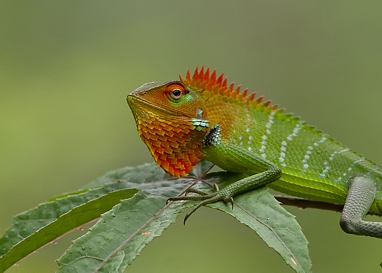
A high diversity of endemic birds including Sri Lanka Blue Magpie, Red-faced Malkoha, Sri Lanka Spurfowl, and Ashy-headed Laughingthrush. Mixed-species flocks are a major highlight, while Purple-faced Langur, amphibians, butterflies, and other rainforest wildlife may also be encountered.

PERSONAL COMFORT:

Day 8 involves a longer road journey followed by evening birding. Day 9 includes an early-morning forest walk before the journey to Galle. Expect warm and humid conditions, uneven and occasionally muddy trails, dense vegetation, and possible leech encounters. Light, long-sleeved clothing and suitable footwear are recommended. Leech socks will be provided.

TRAVEL:

Approximately 8 hours by road from Kumana to Sinharaja, followed by onward travel to Galle on Day 9 about 2.5h.

STAY:

Day 8 in Sinharaja / Day 9 in Galle

FAREWELL:

Conclude the journey in Galle with a relaxed farewell party, sharing the highlights and memorable wildlife and birding experiences from across Sri Lanka.

WHAT TO EXPECT:

Enjoy a relaxed final morning in Galle before your comfortable transfer to the airport for your onward journey home.

PERSONAL COMFORT:

A leisurely morning with minimal activity, followed by a smooth airport transfer. Travel times will depend on your departure flight and airport.

Target Species

Sri Lankan
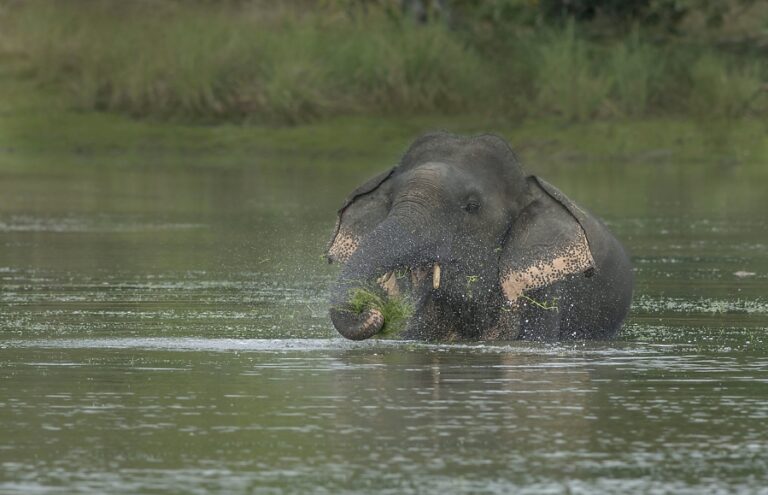
Elephant

Elephas maximus maximus

The Sri Lankan Elephant is the largest land mammal in Sri Lanka and a subspecies of the Asianelephant. Found mainly in dry-zone forests and national parks, it ishighly social and plays a key role in shaping forest ecosystems.
Sri Lankan
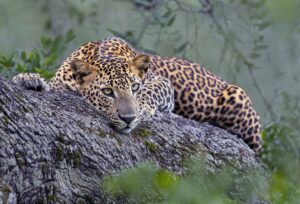
Leopard

Panthera pardus kotiya

Sri Lankan leopard is a Sri Lankan endemic subspecies and the island’s largest terrestrial predator. It inhabits a variety of habitats, including dry-zone forests, grasslands, scrublands, rocky areas, and wet-zone forests. It is an adaptable species that hunts deer, wildboar, monkeys, and other small animals.
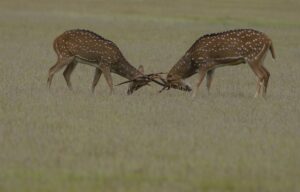
Spotted Deer

Axis axis ceylonensis

Spotted deer is a common deer species found in dry-zone forests, grasslands, scrublands, and forest edges. In Sri Lanka, it is widely distributed, especially in the dry zone, where it lives in herds and feeds on grasses, leaves, fruits, and young shoots. It is an important prey species for the Sri Lankan leopard.
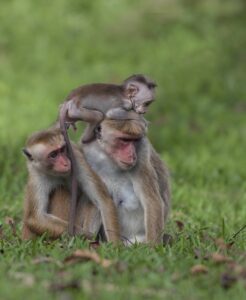
Toque Macaque

Macaca sinica

Toque Macaque is an endemic monkey found only in Sri Lanka. Highly social and intelligent, it lives in forests andsometimes near human settlements, feeding on fruits, leaves, insects, and small animals. Despite its adaptability, habitat loss and human-wildlife conflict pose significant threats to its survival.
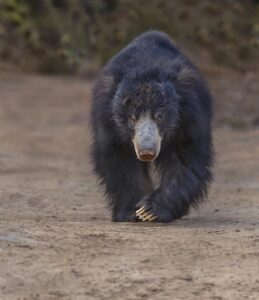
Sri Lankan
Sloth Bear

Melursus ursinus inornatus

Sri Lankan sloth bear is a Sri Lankan endemic subspecies of slothbear found mainly in dry-zone forests, scrublands, and openwoodland habitats. It is mostly nocturnal and feeds on termites, ants,fruits, honey, and small animals. It plays an important role in theforest ecosystem as a seed disperser and insect predator.
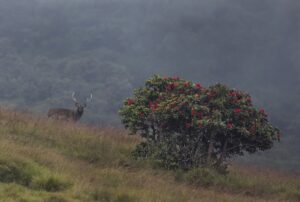
Samber Deer

Rusa unicolor unicolor

Sambar deer is the largest deer species in Sri Lanka and is widely distributed across the island. It inhabits forests, grasslands, and montane regions, occurring in both the dry and wet zones. Sambardeer are especially common in protected areas such as Horton Plains National Park, Yala National Park, and Wilpattu National Park. They feed mainly on grasses, leaves, shoots, and fruits.
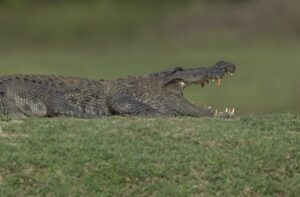
Mugger Crocodile

Crocodylus palustris kimbula

Mugger crocodile is a large freshwater crocodile native to South Asia. In Sri Lanka, it is found mainly in dry zone rivers, lakes, reservoirs, tanks, and wetlands, especially in areas such as Yala, Wilpattu, Bundala, and other major river systems. It feeds on fish, birds, reptiles, and mammals and is recognized by its broad snout and heavily armored body.
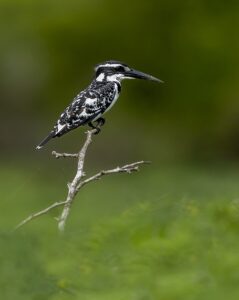
Pied Kingfisher

Ceryle rudis

Pied kingfisher is a medium-sized black-and-white kingfisher found around rivers, lakes, lagoons, and reservoirs. In Sri Lanka, it is a resident species widely distributed across wetlands throughout the island. It feeds mainly on fish, often hovering above water before diving to catch its prey.
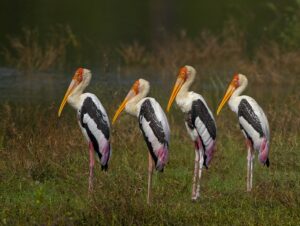
Painted Stork

Mycteria leucocephala

Painted stork is a large wading bird found in wetlands, marshes, lagoons, reservoirs, and paddy fields across Sri Lanka. It is a resident species, mainly associated with lowland wetland habitats, where it feeds on fish, frogs, crustaceans, and other aquatic animals.
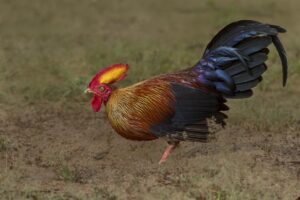
Sri Lankan Junglefowl

Gallus lafayettii

Sri Lankan junglefowl is a Sri Lankan endemic bird and the nationalbird of Sri Lanka. It is found in a variety of habitats, including dryzoneforests, wet-zone rainforests, scrublands, and forest edges. It feeds on seeds, grains, fruits, insects, and small invertebrates, and is often seen foraging on the forest floor.
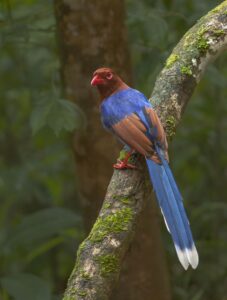
Sri Lanka
Blue Magpie

Urocissa ornata

Sri Lanka blue magpie is a Sri Lankan endemic bird found in lowlandand montane rainforests, dense evergreen forests, and forest edges. It feeds on insects, small reptiles, fruits, and seeds and is easily recognized by its brilliant blue plumage, chestnut head, and long bluetail.
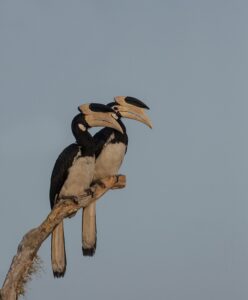
Malabar
Pied Hornbill

Ocyceros gingalensis

The Sri Lankan Grey Hornbill is a mediumsized, endemic bird found only in Sri Lanka. It inhabits forests and wooded areas, feeding mainly on fruits, especially figs, and plays an important role in seed dispersal across its habitat.

What´s included and what´s not included

Accommodation Overview (To come)

Wilpattu Eco-Lodge

3 Nights

Lorem ipsum dolor sit amet,
consetetur sadipscing elitr
Wilpattu Eco-Lodge

3 Nights

Lorem ipsum dolor sit amet,
consetetur sadipscing elitr

Wilpattu Eco-Lodge

3 Nights

Lorem ipsum dolor sit amet,
consetetur sadipscing elitr

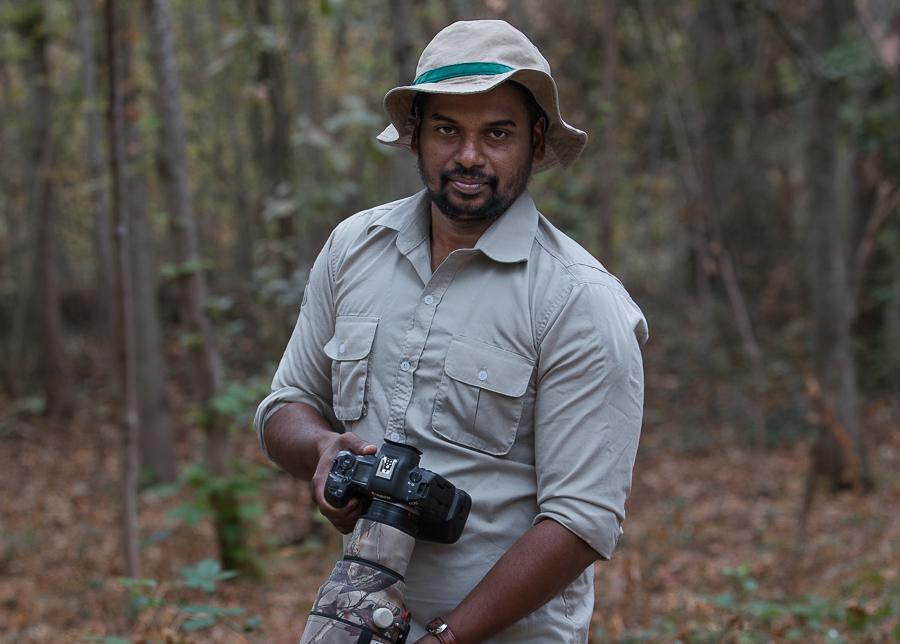
Your Tourguide

Nitharsan ALOYSIUS

Founder & Wildlife Guide

Conservation commitment

Conservation is not an optional addition to an Avian Atlas journey.
It is part of how we believe wildlife tourism should operate.

We are committed to working with local guides, communities and conservation-minded partners
whose livelihoods are connected to the protection of natural landscapes and wildlife.

We aim to keep wildlife encounters responsible:
maintaining appropriate distances, avoiding disturbance, respecting park
regulations and never prioritising a photograph over the welfare of an animal.

We also believe that tourism should create value for the people who live alongside these ecosystems.
Wherever possible, we favour locally owned services and local expertise so that more of the value generated by travel
remains within the communities and destinations we visit.

As Avian Atlas grows, we intend to dedicate a defined share of our resources to conservation
and biodiversity initiatives in the landscapes where we operate.

Calendar of planed 10 Days Wildlife Discovery Tours

12mayAll Day22Wildlife Discovery TourMay 2027 Tour – 9 Nights / 10 Days

Ready to plan your expedition?

You need more information about our 10 Days Wildlife Discovery Tours?
You could not find any date according to your timetable in our Calendar of Tours?

Avian Atlas

Explore Experience Connect
Wildlife expeditions in Sri Lanka.

Contact us

© 2026 Draft for Avian Atlas Expeditions
Politique de confidentialité

error: Content is protected !!