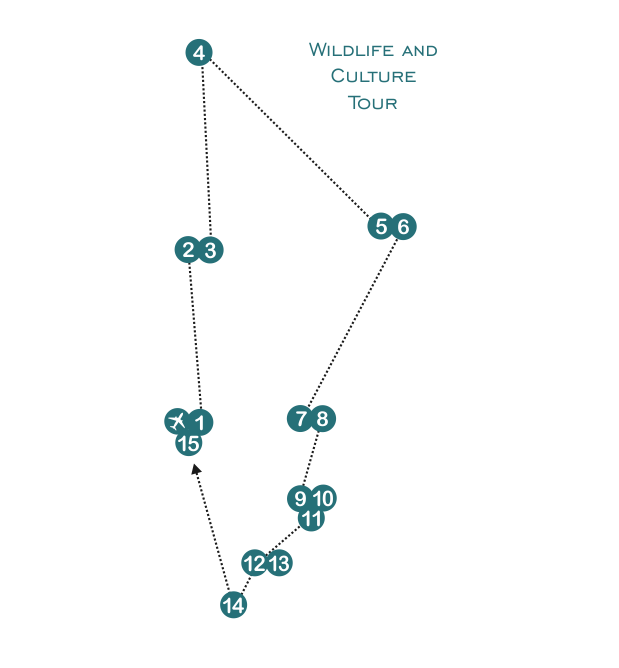
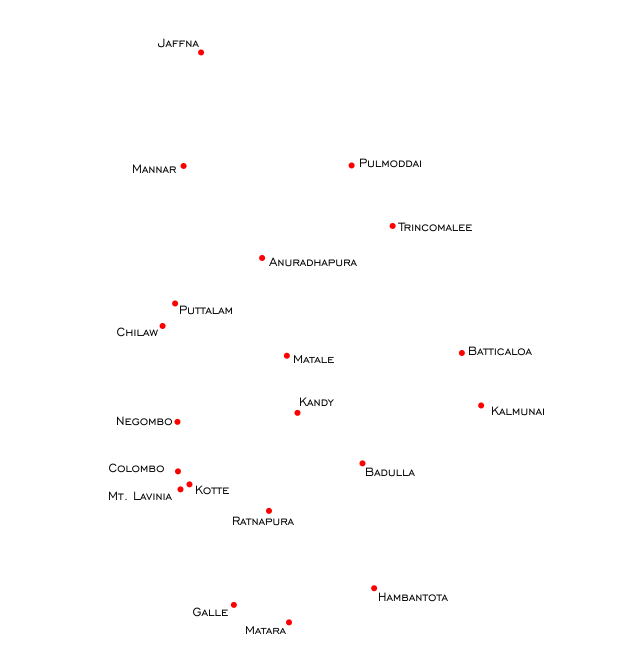
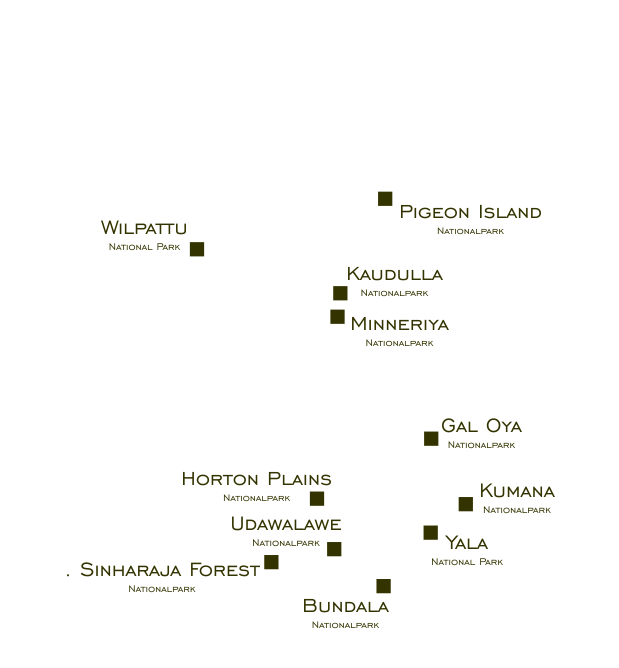
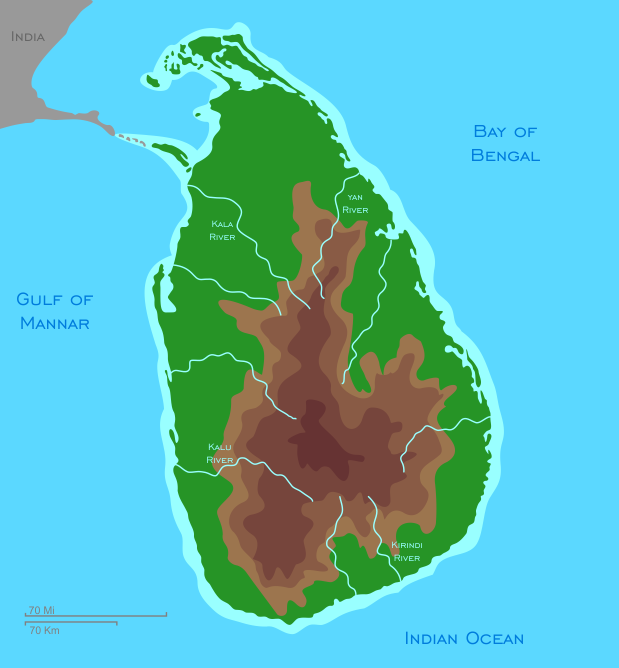
Sri Lanka has been continuously inhabited for over 2,500 years. The forests that shelter its leopards also surround its ancient cities. The coastal lagoons that draw migratory flamingos lap against colonial forts and fishing communities unchanged for generations. On this fifteen-day expedition the wildlife and the human story of the island are treated as what they actually are — inseparable. You begin on the coast at Negombo, move north to the leopard country of Wilpattu, then through Jaffna and Trincomalee where Tamil culture and coastal birdlife occupy the same landscape. Kandy, the island's sacred hill capital. The highland endemics of Horton Plains. Three days in the UNESCO rainforest of Sinharaja. A final morning at Galle Fort, where egrets fish in the moat. Guided by people who understand both what they're looking at and what it means.
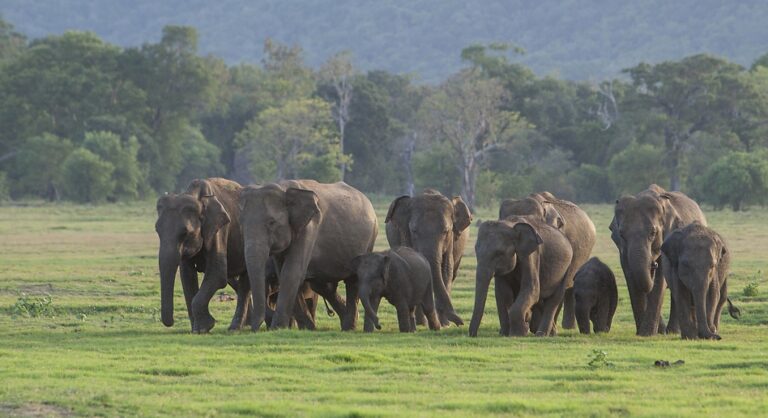
Elephas maximus maximus
The Sri Lankan Elephant is the largest land mammal in Sri Lanka and a subspecies of the Asianelephant. Found mainly in dry-zone forests and national parks, it is highly social and plays a key role in shaping forest ecosystems.
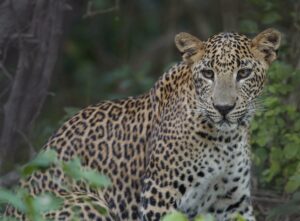
Panthera pardus kotiya
Sri Lankan leopard is a Sri Lankan endemic subspecies and the island’s largest terrestrial predator. It inhabits a variety of habitats, including dry-zone forests, grasslands, scrublands, rocky areas, and wet-zone forests. It is an adaptable species that hunts deer, wildboar, monkeys, and other small animals.
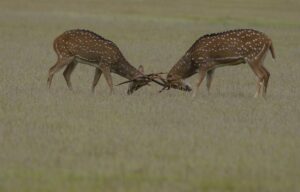
Axis axis ceylonensis
Spotted deer is a common deer species found in dry-zone forests, grasslands, scrublands, and forest edges. In Sri Lanka, it is widely distributed, especially in the dry zone, where it lives in herds and feeds on grasses, leaves, fruits, and young shoots. It is an important prey species for the Sri Lankan leopard.
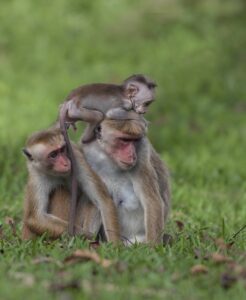
Macaca sinica
Toque Macaque is an endemic monkey found only in Sri Lanka. Highly social and intelligent, it lives in forests andsometimes near human settlements, feeding on fruits, leaves, insects, and small animals. Despite its adaptability, habitat loss and human-wildlife conflict pose significant threats to its survival.
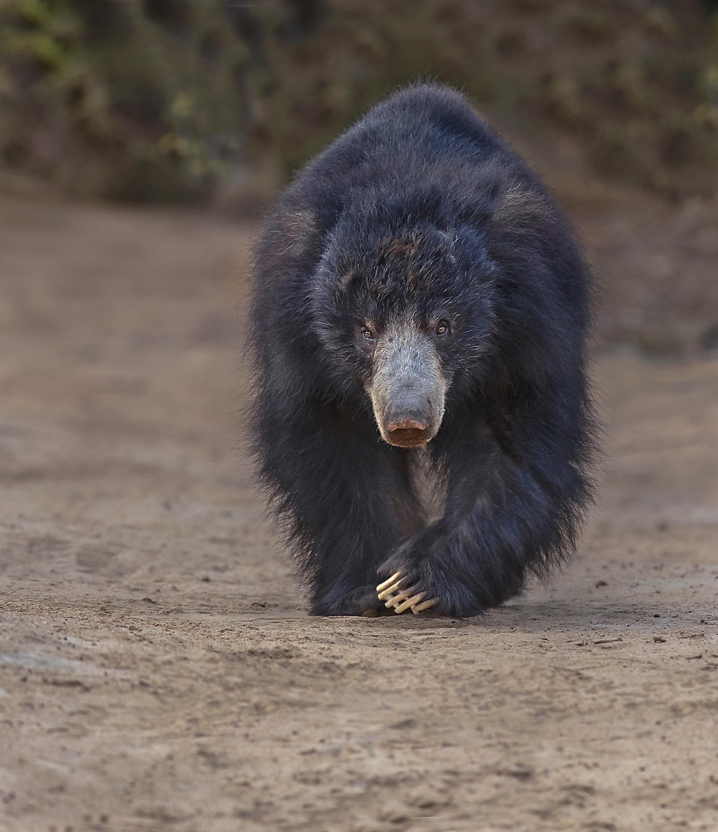
Melursus ursinus inornatus
Sri Lankan sloth bear is a Sri Lankan endemic subspecies of sloth bear found mainly in dry-zone forests, scrublands, and open woodland habitats. It is mostly nocturnal and feeds on termites, ants, fruits, honey, and small animals. It plays an important role in the forest ecosystem as a seed disperser and insect predator.
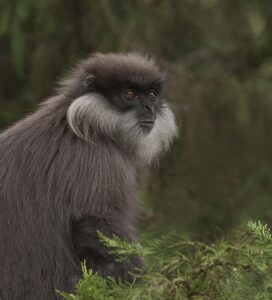
Semnopithecus vetulus vetulus
Purple-faced langur is a Sri Lankan endemic primate found mainly in wet-zone rainforests, lowland forests, and montane forests. It is a leaf-eating monkey that lives in social groups and is recognized by its dark body, pale face, and long tail.
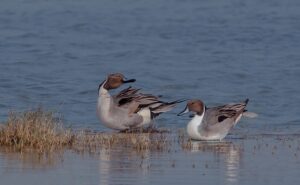
Anas acuta
Northern pintail is a graceful migratory duck that breeds across northern Europe, Asia, and North America. It is a common winter visitor to Sri Lanka, where it inhabits wetlands, lagoons, reservoirs, and coastal marshes. Northern pintails feed on aquatic plants, seeds, and small invertebrates.
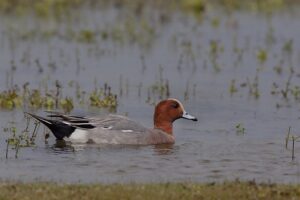
Mareca penelope
European wigeon is a medium-sized migratory duck that breeds across northern Europe and Asia and winters farther south, with small numbers migrating to Sri Lanka. It feeds mainly on grasses and aquatic plants and is commonly found in flocks in wetlands, lagoons, and reservoirs.
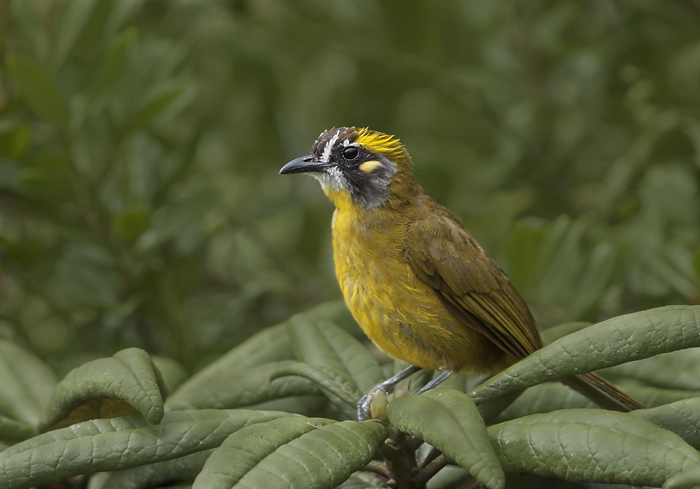
Pycnonotus penicillatus
Yellow-eared bulbul is a small endemic bird of Sri Lanka found mainly in the central highlands. It inhabits montane forests, cloudforests, and forest edges, especially around areas such as Horton Plains National Park, Hakgala Botanical Garden, and the Peak Wilderness region. It feeds on fruits, berries, and insects and is recognized by its yellow ear patch and olive-brown plumage.
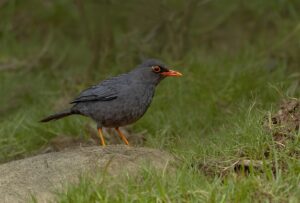
Turdus simillimus
Indian blackbird is a medium-sized songbird found in forests, montane woodlands, and well-vegetated areas of Sri Lanka. It is mainly associated with the wet zone and hill country, where it feeds on insects, earthworms, fruits, and berries.
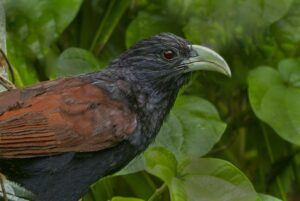
Centropus chlororhynchos
Green-billed coucal is a Sri Lankan endemic bird found in lowland rainforests, evergreen forests, and dense forest undergrowth. It is a secretive species that feeds on insects, snails, lizards, frogs, and other small animals while foraging close to the ground.
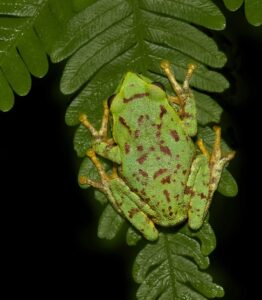
Pseudophilautus frankenbergi
Frankenberg's shrub frog is a small endemic frog of Sri Lanka found mainly in the central highlands. It inhabits moist montane forests, cloud forests, and forest edges, particularly around areas such as Horton Plains National Park and other high-elevation habitats. This shrub frog depends on cool, humid environments and is often found among mosses, leaf litter, and vegetation.
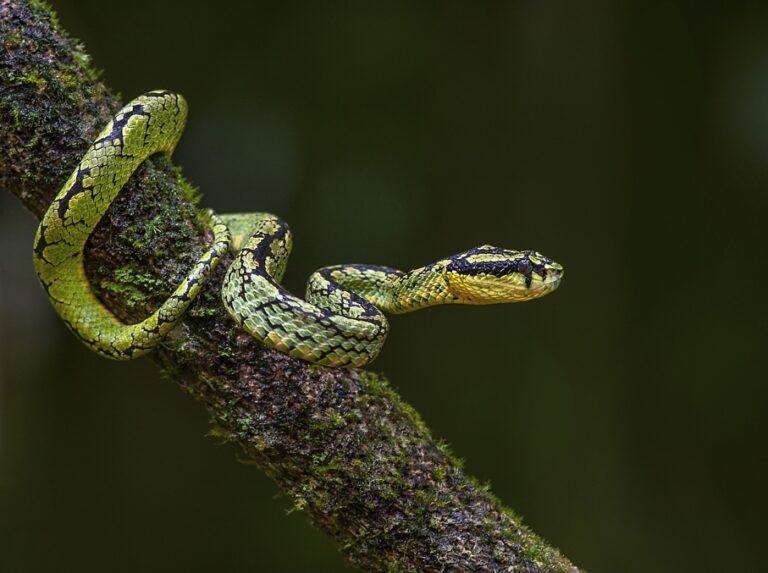
Craspedocephalus trigonocephalus
Sri Lankan green pit viper is a Sri Lankan endemic venomous snake found in lowland and montane rainforests, evergreen forests, and dense vegetation. It is an arboreal species that feeds on frogs, lizards, birds, and small mammals and is well camouflaged among green foliage.
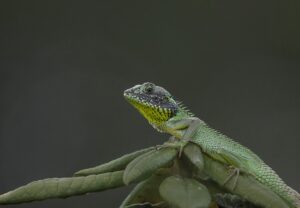
Calotes nigrilabris
Black-cheek lizard is a Sri Lankan endemic lizard found mainly in montane forests, cloud forests, and high-elevation grasslands. It is often seen on tree trunks and shrubs, feeding on insects and other small invertebrates. The species is recognized by the dark cheek markings, greenish body, and spiny crest along the back.
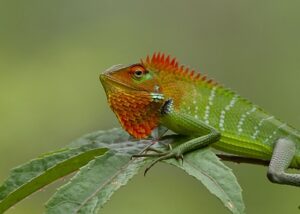
Calotes calotes
Common green forest lizard is a large arboreal lizard found in lowland and mid-elevation rainforests, evergreen forests, and forestedges. In Sri Lanka, it is widely distributed in the wet zone, where it feeds on insects and other small invertebrates and is often seen on tree trunks and branches.

One more to fill the row?

The palmyra palm is the iconic tree of Jaffna and is deeply woven into the region's culture and landscape. At sunset, the silhouettes of tall palmyra trees against the golden and crimson sky create one of Jaffna's most memorable scenic views, especially along the lagoons, coastal roads, and open plains. These tranquil sunsets are a favorite subject for photographers and symbolize the natural beauty of northern Sri Lanka.
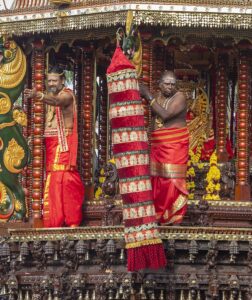
Nallur Festival is one of the most important Hindu religious festivals in Sri Lanka. Held annually at the Nallur Kandaswamy Temple in Jaffna, the festival lasts about 25 days and features colorful processions, traditional music, rituals, and the ceremonial chariot procession. It attracts thousands of devotees and visitors from Sri Lanka and abroad.
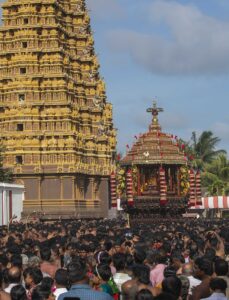
Nallur Festival is one of the most important Hindu religious festivals in Sri Lanka. Held annually at the Nallur Kandaswamy Temple in Jaffna, the festival lasts about 25 days and features colorful processions, traditional music, rituals, and the ceremonial chariot procession. It attracts thousands of devotees and visitors from Sri Lanka and abroad.
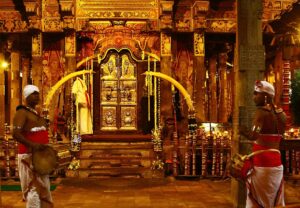
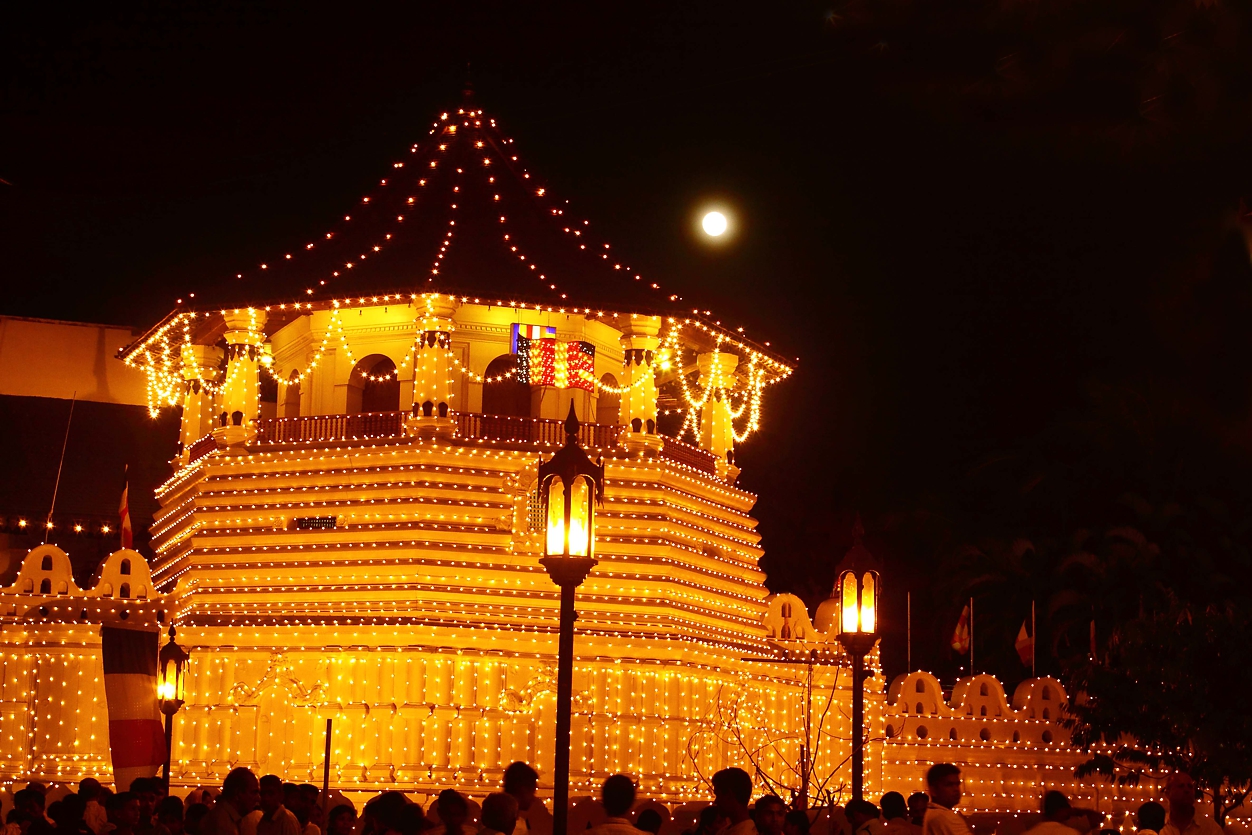
Temple of the Sacred Tooth Relic is one of the most sacred Buddhist sites in Sri Lanka, located in the historic city of Kandy. The templehouses the sacred tooth relic of the Gautama Buddha and is an important pilgrimage destination for Buddhists worldwide. With its rich history, traditional architecture, and cultural significance, it is a key highlight of Sri Lanka’s heritage.
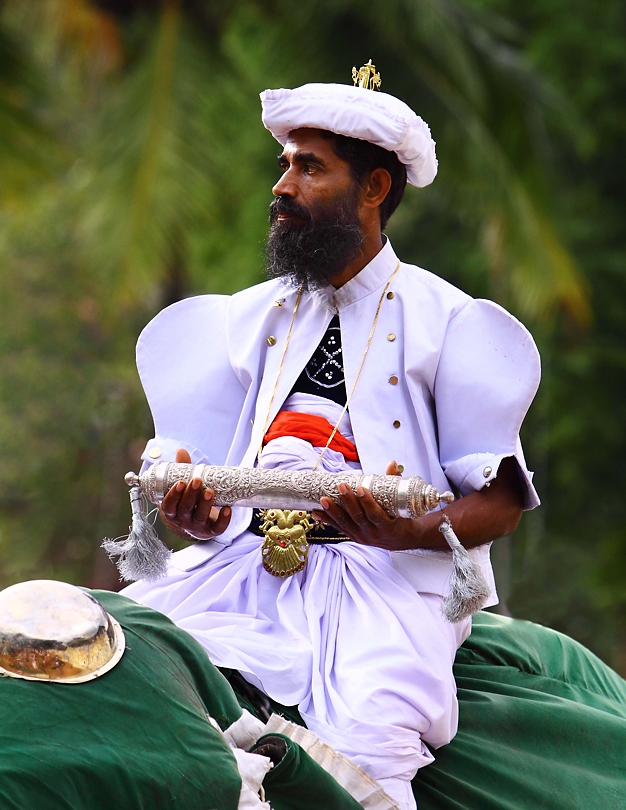
Kandy Esala Perahera is one of Sri Lanka’s most spectacular cultural and religious festivals, held annually in the city of Kandy. The grand procession features traditional dancers, drummers, decorated elephants, and rituals honoring the sacred Temple of the Sacred Tooth Relic. Celebrated during July or August, it attracts thousands of devotees and visitors from around the world.
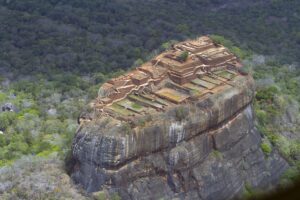
Sigiriya, also known as Lion Rock, is an ancient rock fortress and one of Sri Lanka’s most iconic cultural landmarks. Built during the reign of King Kashyapa in the 5th century, it features ancient frescoes, landscaped gardens, and remarkable engineering on top ofa massive rock column. Recognized as a UNESCO World Heritage Site, Sigiriya is celebrated for its history, architecture, and panoramic views of the surrounding dry-zone landscape.
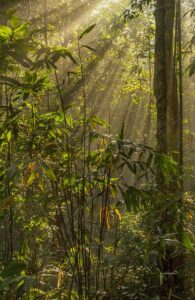
Sinharaja Forest Reserve is a unique lowland tropical rainforest ecosystem with a rich network of streams, rivers, waterfalls, and freshwater habitats. The dense evergreen forest receives high rainfall, creating a humid environment that supports diverse plant and animal life.
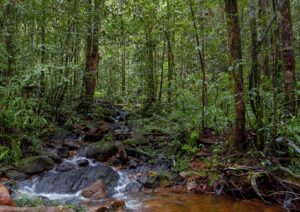
Sinharaja Forest Reserve is a unique lowland tropical rainforest ecosystem with a rich network of streams, rivers, waterfalls, and freshwater habitats. The dense evergreen forest receives high rainfall, creating a humid environment that supports diverse plant and animal life.
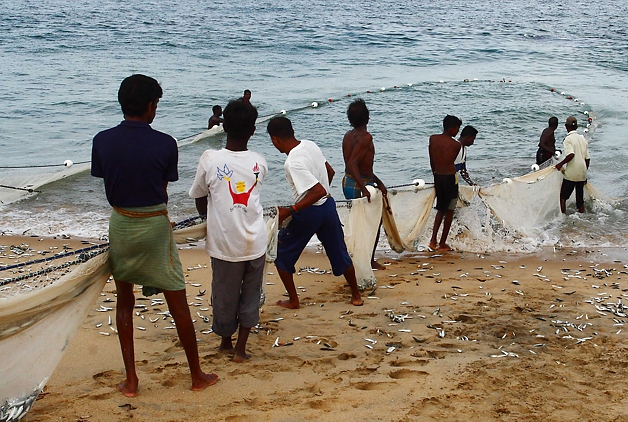
Trincomalee has a long tradition of coastal fishing, including Karavalai (shore seine) fishing, a traditional method practiced by local fishing communities. Fishermen work together to pull large nets from the shore, using teamwork and knowledge of tides, currents, and fish movements. This sustainable fishing practice reflects the maritime heritage and coastal lifestyle of the region.
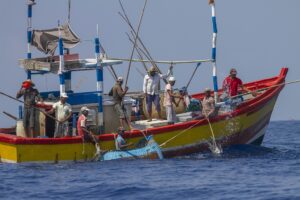
Trincomalee is one of Sri Lanka’s premier destinations for deep-sea tuna fishing. The rich waters of the Indian Ocean support species such as yellowfin tuna, skipjack tuna, and dogtooth tuna. Local fishermen use both traditional and modern techniques, making tuna fishing an important part of the region’s economy and maritime culture.
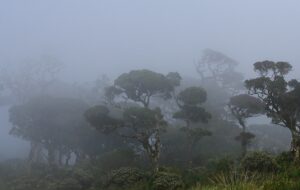
Cloud forest is a unique high-elevation forest ecosystem that is frequently covered by mist and low-lying clouds. In Sri Lanka, cloudforests are mainly found in the central highlands, including Horton Plains National Park. These forests are rich in endemic plants and animals and play a vital role in conserving biodiversity and supplying water to many of the island's rivers.
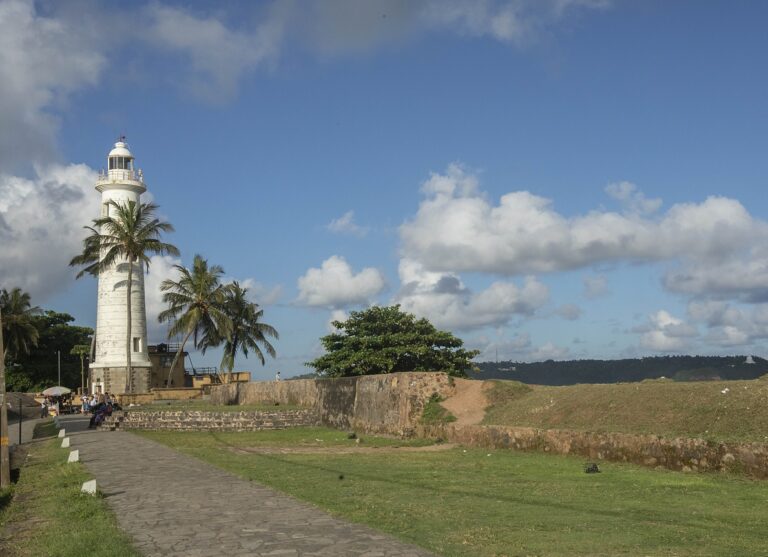
Galle Lighthouse is a historic coastal landmark located within Galle Fort. Built in 1939, it stands on the ramparts overlooking the Indian Ocean and is the oldest operational lighthouse in Sri Lanka. Surrounded by palm trees and ocean views, it is a popular attraction known for its scenic beauty, especially during sunrise and sunset.
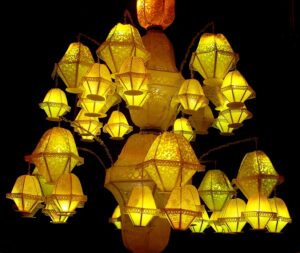
Vesak lantern is a traditional Buddhist decoration displayed during Vesak, the most important Buddhist festival in Sri Lanka. Handmade from bamboo and colourful paper, Vesak lanterns symbolize light, wisdom, and enlightenment, illuminating homes, temples, and streets in celebration of the birth, enlightenment, and passing of the Buddha.
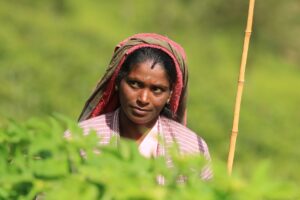
Tea picking is a traditional practice in Sri Lanka’s hill country tea plantations. Skilled tea pluckers carefully harvest the two leaves and a bud, ensuring the finest quality tea. This centuries-old tradition is an essential part of Sri Lanka’s tea industry and contributes to the production of the world-famous Ceylon Tea.
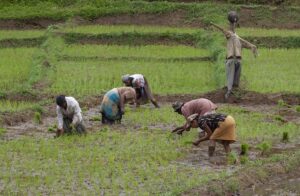
Traditional paddy farming is an important part of Sri Lanka’s cultural heritage and rural lifestyle. Farmers cultivate rice using traditional methods, relying on seasonal rainfall, irrigation tanks, hand tools, and buffaloes or small machinery. Paddy fields support rich biodiversity, providing habitat for many birds, amphibians, reptiles, fish, and insects while sustaining local communities through rice cultivation.
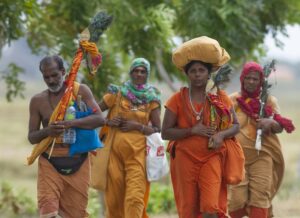
Kataragama Foot Pilgrimage is one of Sri Lanka’s oldest and most sacred religious traditions. Each year, pilgrims walk hundreds of kilometres through forests, villages, and coastal landscapes to reach Kataragama Temple. The pilgrimage symbolizes faith, devotion, endurance, and spiritual reflection, bringing together people of different religions and cultures in a unique expression of Sri Lanka’s rich spiritual heritage.

3 Nights
Lorem ipsum dolor sit amet,
consetetur sadipscing elitr
3 Nights
Lorem ipsum dolor sit amet,
consetetur sadipscing elitr
3 Nights
Lorem ipsum dolor sit amet,
consetetur sadipscing elitr
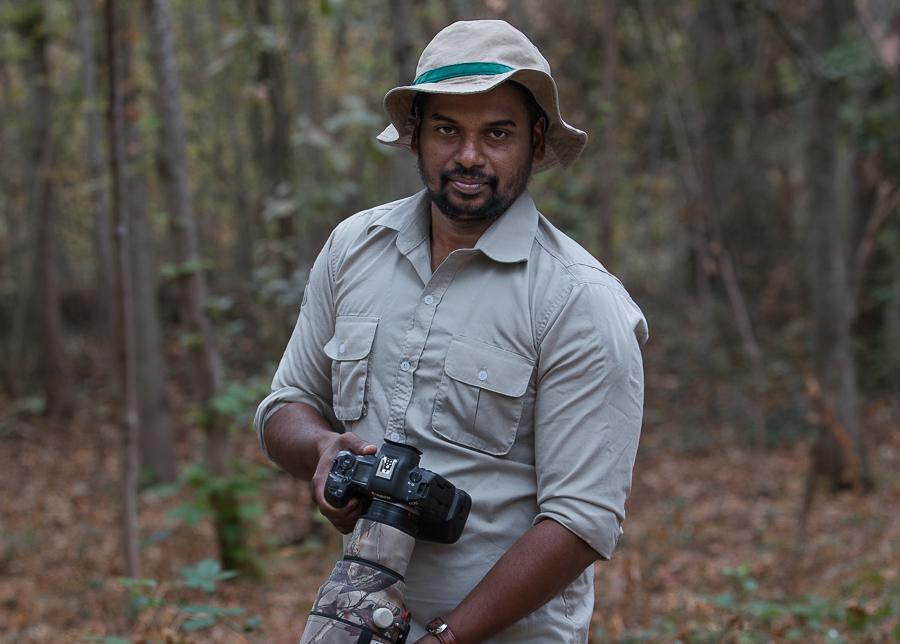
Founder & Wildlife Guide